In 2026, Japanese consumers discovered that even buying a banana had become uncertain. Packs on supermarket shelves now contain one or two fewer bananas, and prices have risen 30% over three years. Akira Ishiishi, secretary-general of the Japan Banana Importers Association, called it a “once-in-fifty-years crisis.” But if you treat this as just another story about fruit prices going up, you've missed the real story.
The banana is just the symptom. The real question is: why can the everyday consumption of a developed nation be so easily disrupted by a geopolitical conflict ten thousand miles away?
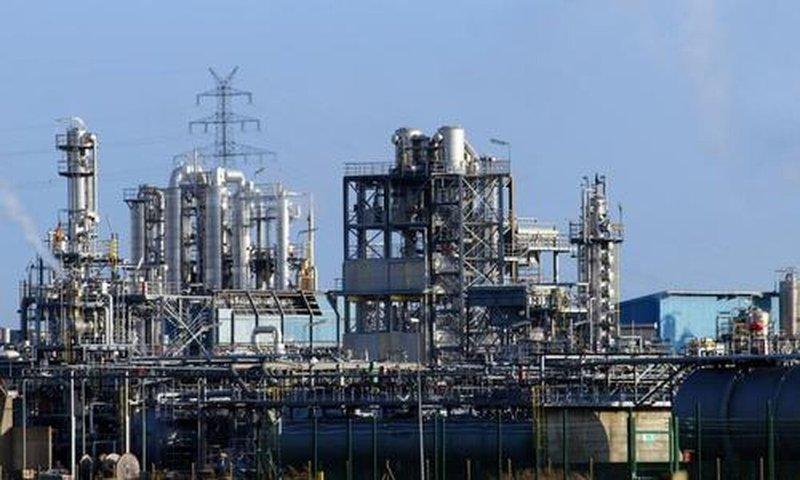
The answer lies in a supply chain most people have never noticed. Nearly all bananas sold in Japan are imported, arriving as green fruit that must be ripened with ethylene gas before hitting shelves. Where does ethylene come from? From naphtha. Where does naphtha come from? Japan depends heavily on imports, and the Middle East is a major source. When tensions flared in the Persian Gulf, naphtha prices surged, ethylene supply wobbled, and the ripening chain broke first. A trading company holding 30% of Japan's banana-ripening market confirmed to Tokyo Broadcasting System that ethylene supply began fluctuating noticeably from late March.
What makes this chain alarming is the speed and breadth of its ripple effects. Ethylene doesn't just ripen bananas — kiwifruit and avocados rely on the same process. The plastic wrap and tape used for packaging are petrochemical products. The fuel used for transport is a petrochemical product too. Ishiishi made it clear: the naphtha shortage isn't just a banana problem — it's systemic pressure across the entire fresh produce supply chain.
The numbers tell the story. In 2025, Japan imported roughly one million tons of bananas, with average household spending at about 5,200 yen. Tokyo retail prices rose 4.4% year-on-year, with cumulative growth exceeding 30% since 2022. Akihiro Akiha, head of a Tokyo supermarket chain, put it plainly: it's not just that prices are up — supply stability is in question. Some importers have stockpiled two to three months' worth of ethylene, so bananas are still on shelves for now. But fuel, packaging, and transport costs are all rising, and the burden ultimately falls on consumers.
This is the deep vulnerability in Japan's energy structure. As one of the world's largest importers of petrochemical products, Japan's industrial system and daily consumption are built on the premise of “stable imports.” When that premise is shattered by geopolitical conflict, the impact doesn't stop at the factory gate — it travels down the chain through ethylene, packaging materials, and cold-chain logistics, landing on every household's fruit plate.
Ishiishi's “once-in-fifty-years” is less a forecast for the banana market than a warning about Japan's energy security model. For fifty years, Japan has used highly efficient global supply chains to turn energy into cheap consumer goods. But the cost of that system is this: when any upstream node fails, everyone downstream pays. A banana's price increase is, at its core, the daily hidden cost a resource-poor nation pays for energy insecurity.
What's more concerning is that this won't stop at bananas. Thousands of food and beverage products in Japan have already seen price hikes due to rising naphtha costs. Fruit and vegetable packaging materials and tape are also in short supply. As the ethylene crisis spreads from bananas to kiwifruit and avocados, and from ripening to packaging and transport, consumers aren't facing a single fruit getting more expensive — they're facing a wholesale repricing of the entire fresh produce category.
For Japan, the banana crisis is a mirror. It doesn't reflect a fluctuation in the fruit market — it reflects how fragile daily life becomes when a nation's energy is so heavily dependent on imports. When the lifeline of your supply chain is always held in someone else's hands, any black swan can make the most ordinary consumer good both expensive and scarce.
The naphtha crisis may have only just begun. And that banana with one or two fewer pieces in the pack? It's just the first bill in a long reckoning.
Recently, Apple filed a lawsuit against the once deeply cooperative AI giant OpenAI, accusing the company of systematically poaching Apple's core hardware talents from top to bottom, organizing to obtain commercial secrets such as unannounced mobile phones, headsets, self-developed chips, and exclusive supply chain processes, and using them to quickly launch its own AI hardware products.
Recently, Apple filed a lawsuit against the once deeply coo…

By mid-July 2026, the U.S. economy has taken on a distinctl…

South Korea's Ministry of Science and ICT recently announce…

AP, New York — Global financial markets faced dual negative…

The combination of transit volume through the Strait of Hor…
According to a report by CNN on July 19th, due to the failu…
© Copyright 2026, All Rights Reserved