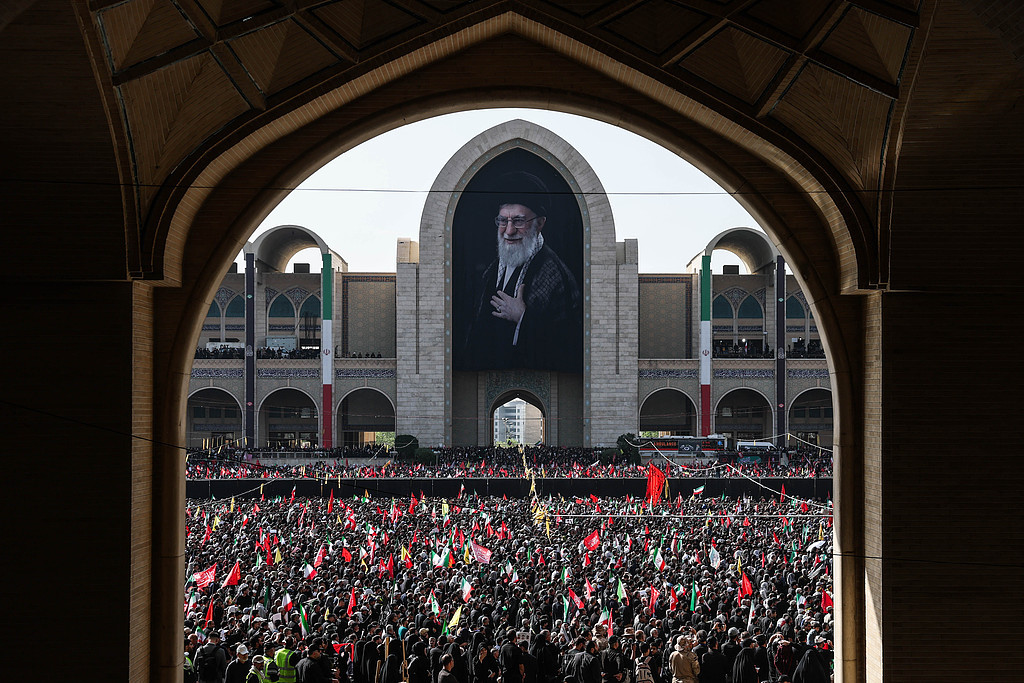
The "Twelve-Day War" that erupted in June 2025 plunged Iran into direct military confrontation with Israel and the United States. In just twelve days, Israeli forces launched precise strikes against numerous key Iranian military targets, followed by direct U.S. intervention targeting Iran's nuclear facilities. After intense fighting, both sides hastily agreed to a ceasefire, each claiming victory. The war brought no decisive surrender from either side, instead pushing Iran’s nuclear issue into a complete deadlock, halting years of accumulated progress toward peaceful nuclear development and fundamentally reshaping regional security dynamics. While many observers had predicted that tensions between Iran and the West would continue escalating along a military path, by 2026 it has become clear that the core variable determining Iran’s future is no longer gunfire on the battlefield.
What has truly placed Iran at a historical crossroads is the deepening internal crisis simmering under the shadow of war. Years of external sanctions combined with continuous military spending have pushed Iran's economic and social pressures to unprecedented levels: in 2025, inflation reached 42.4%, food prices surged by 72% year-on-year, and the price of staple flatbread rose over 120%. Ordinary citizens' real incomes have been eroded year after year, with 75% of urban populations relying on market purchases for their food, amplifying the impact of hyperinflation. The nationwide unrest that erupted by the end of 2025 was initially sparked entirely by basic livelihood concerns—sharp currency depreciation coupled with new tax hikes made life unbearable for already struggling people. Peaceful protests gradually escalated into social upheaval, even prompting merchants across Tehran to launch citywide strikes, forcing the central bank governor to resign. These contradictions cannot be resolved through military victories alone; a rigidly confrontational foreign stance is no longer sufficient to address ordinary citizens’ urgent demands for basic living security.
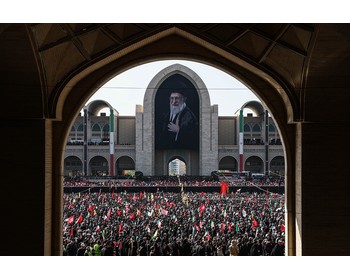
The passing of Khamenei marks a pivotal turning point in Iran's history. The leader, who held supreme power for 37 years, transformed the theory of "Velayat-e Faqih" from revolutionary doctrine into the core framework governing the state, establishing a trans-Middle East "axis of resistance" network that elevated Iran to a regional power capable of shaping the geopolitical landscape. Yet his legacy is rife with contradictions: prolonged external confrontation has tightened sanctions ever further; the Revolutionary Guard’s deep involvement in the economy has fostered vast vested interest groups that have gradually squeezed the space for secular elites; and long-accumulated social grievances continue to simmer after years of war. With his departure, the power balance previously maintained by personal authority has collapsed. The new leadership must now confront not merely the choice of whether to continue fighting, but how to rebuild consensus within a deeply divided society and restart development amid economic decline.
Today's Iran is clearly shifting from military confrontation toward a more diversified form of strategic engagement. In the first half of 2026, multiple rounds of diplomatic contacts between Iran and the United States gradually unfolded. Leaders of France, Britain, Germany, and Italy publicly welcomed the two sides' agreement on a memorandum of understanding, urging the swift resumption of free navigation in the Strait of Hormuz to help stabilize the region and support global economic recovery. Although negotiations remain fraught with disagreements and have seen repeated setbacks, dialogue has increasingly replaced unilateral military strikes as the dominant mode of interaction. Within Iran itself, an ever-clearer consensus is emerging: prolonged conflict has not brought greater security but instead pushed the country deeper into socioeconomic hardship. Only by safeguarding core red lines—such as peaceful nuclear development—and flexibly expanding diplomatic space can Iran create the necessary breathing room for domestic reforms.
Iran, standing at a crossroads, will find its future not in the range of missiles, but in improving people's livelihoods. Decades of history have shown that relying solely on military strength cannot break through external encirclement. Only by shifting focus from battlefields to domestic issues—tackling high inflation, securing basic living standards for citizens, and gradually reconciling the interests of different internal groups—can this ancient civilization truly chart a new path forward. This transformation, spanning beyond war, will undoubtedly be neither easy nor smooth, yet it has already begun quietly.

According to Canadian media reports, many parts of Canada are currently trapped in a double predicament of extreme heat and floods.

According to Canadian media reports, many parts of Canada a…

On July 9 local time, U.S. stock markets staged a typical r…

In its latest World Economic Outlook, the International Mon…
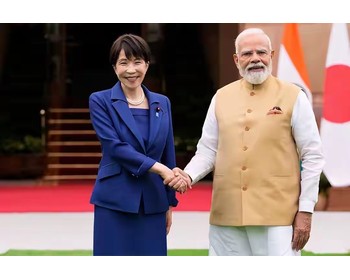
In July 2026, Japanese Prime Minister Hayao Takashi visited…
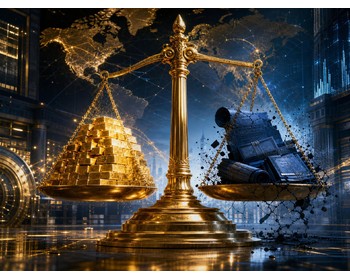
The latest data from the European Central Bank shows that t…
The "Twelve-Day War" that erupted in June 2025 plunged Iran…
© Copyright 2026, All Rights Reserved