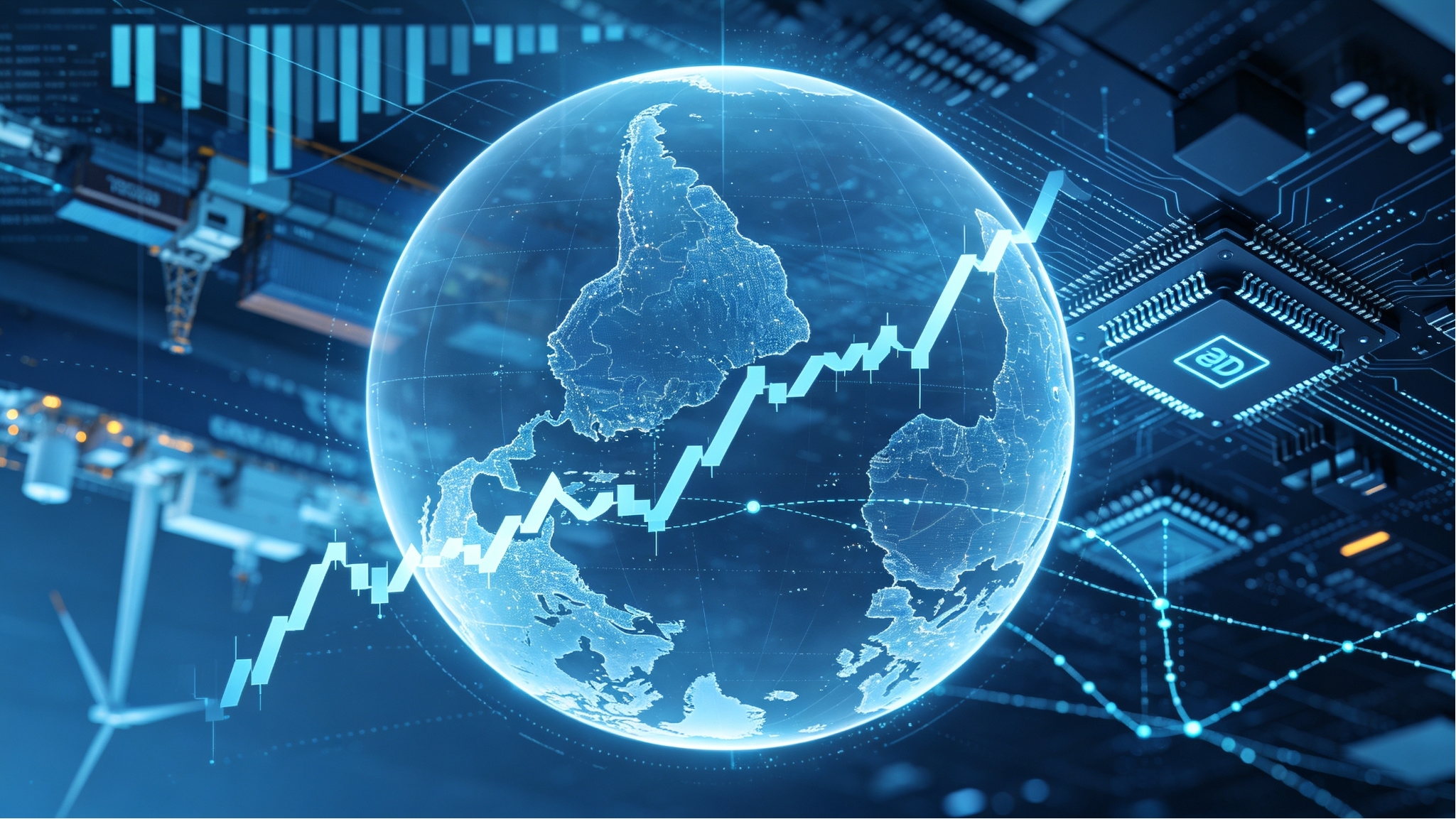
In its latest World Economic Outlook, the International Monetary Fund not only downgraded the global economic growth forecast for 2026 to 3.0%, but also specifically pointed out ongoing Middle East conflicts, global trade fragmentation, and AI market expectation adjustments as three core downside risks. At the same time, it expects global trade growth in 2026 to slow sharply to around 3% from 5% in 2025. This warning reflects the fragility of the current global economic recovery, as multiple risks overlap, putting the sustainability of growth momentum to the test.
Ongoing conflicts in the Middle East are currently the most urgent short-term risk. Recent escalations in US-Iran tensions have directly pushed up international oil prices, with Brent crude briefly approaching $80 per barrel. The sudden rise in energy prices is reigniting global inflationary pressures. For economies like Europe that heavily rely on energy imports, a rebound in oil prices will directly slow the pace of core inflation easing, forcing central banks to maintain high interest rates for longer and thereby suppress consumer and investment recovery momentum. For emerging markets, rising energy import costs will increase pressure on their balance of payments, with some high external debt economies potentially facing the dual shocks of currency depreciation and capital outflows. If the conflict spreads further to the Strait of Hormuz, the risk of a global energy supply chain disruption could directly push the world economy toward stagflation.
Global trade fragmentation is a more long-term structural pressure. In recent years, driven by geopolitical competition, tariff barriers, export controls, and the wave of supply chain localization have continued to rise. The global trade system has shifted from prioritizing efficiency to prioritizing security, and the hidden costs of supply chain reconstruction are accumulating. The IMF's 2 percentage point downgrade in trade growth expectations directly reflects the impact of fragmentation. Halved trade growth not only directly drags down the growth momentum of export-oriented economies but also reduces global resource allocation efficiency and raises the overall production costs of industrial goods and intermediate products, which in turn reinforces inflation stickiness. In the long run, the continued spread of trade barriers will fragment the global unified market, hindering the flow of technology, capital, and goods, further lowering the potential growth level of the global economy.
The adjustment of AI market expectations is a hidden risk at both the tech and financial levels. Over the past two years, the AI boom has driven a significant rise in global tech stock valuations, with corporate capital spending concentrating on the AI sector, becoming an important new engine for global economic growth. But recent signals, like Meta leasing out idle computing power and the collective pullback in the storage chip sector, suggest that the growth in demand for AI infrastructure may be lower than the previously optimistic market expectations. Once the AI industry enters a performance verification period and actual demand falls short of expectations, it could not only trigger a valuation correction in tech stocks and bring volatility to global financial markets, but also lead to a reduction in corporate AI capital expenditure, which would in turn drag down the growth of upstream and downstream industries like semiconductors and computing infrastructure, weakening the pull of this currently most anticipated growth engine.
The combined effect of these three risks is making the path of global economic recovery more rugged. For policymakers in various countries, there is a need to strike a finer balance between controlling inflation, stabilizing growth, and preventing risks, to avoid a single risk spiraling into a systemic shock. For global investors, it’s important to stay alert to the volatility of major asset classes brought by multiple converging risks, lower expectations for one-sided market moves, and focus more on allocating into structural opportunities around areas like energy security, supply chain independence, and the practical implementation of AI technology.

According to Canadian media reports, many parts of Canada are currently trapped in a double predicament of extreme heat and floods.

According to Canadian media reports, many parts of Canada a…

On July 9 local time, U.S. stock markets staged a typical r…
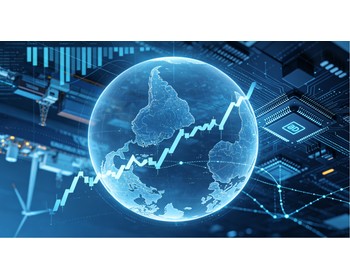
In its latest World Economic Outlook, the International Mon…
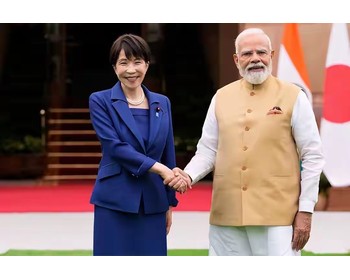
In July 2026, Japanese Prime Minister Hayao Takashi visited…

The latest data from the European Central Bank shows that t…

The "Twelve-Day War" that erupted in June 2025 plunged Iran…
© Copyright 2026, All Rights Reserved