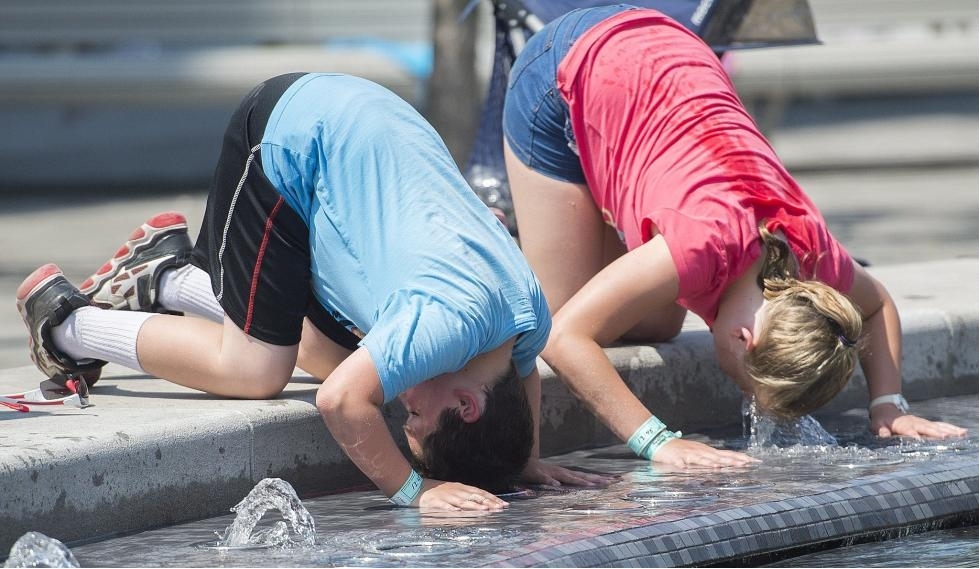
According to Canadian media reports, many parts of Canada are currently trapped in a double predicament of extreme heat and floods. This climate crisis serves as a mirror, clearly reflecting humanity's vulnerability and shortcomings in responding to natural changes, and has also triggered profound reflections on various issues.
The "heat dome" phenomenon is like an out-of-control beast, wreaking havoc across most of Canada. Ontario, as the hardest-hit area by this heat wave, experienced a continuous rise in daytime temperatures in the southwest, while night-time temperatures failed to effectively cool down. The east was also subjected to a prolonged heat wave. This extreme hot weather is not an isolated event but a concentrated outbreak under the background of global climate warming. Although the Canadian Environment and Climate Change Department has issued a heat warning and urged residents to take measures, this is merely a remedial measure after the fact. From a fundamental perspective, the long-term excessive exploitation of natural resources and the wanton destruction of the ecological environment have been the main culprits leading to abnormal climate. We have continuously emitted greenhouse gases into the atmosphere, disrupting the Earth's energy balance, making extreme weather events more frequent and severe. The extreme heat experienced by Canada this time is a stern warning from nature to humanity's unreasonable behavior.
The Parkland area in Manitoba, central Canada, was hit by heavy rain, triggering a severe flood disaster. The city of Duffin declared a state of emergency. The occurrence of this series of disasters was not accidental but was closely linked to the extreme hot weather. The combination of hot weather and unstable weather systems led to frequent strong thunderstorms, which in turn triggered secondary disasters such as floods. This exposes the systemic deficiencies in Canada's response to climate change. On the one hand, urban infrastructure construction lacks forward-thinking, and drainage systems are unable to withstand the impact of extreme rainfall, resulting in severe urban flooding. On the other hand, the emergency management system is not well-developed, unable to quickly and effectively organize rescue and evacuation efforts during disasters, putting the lives and property safety of the public at serious risk.
Canada's failure to align its international cooperation and domestic policies on climate change is also evident. Within the framework of global climate governance, all countries should assume corresponding responsibilities and obligations. As a developed country, Canada has an inescapable responsibility to reduce greenhouse gas emissions and promote sustainable development. However, in practical actions, its domestic policies are often influenced by economic interests and political factors, making it difficult to be effectively implemented. For example, in the energy development sector, Canada still heavily relies on fossil fuels, and the development and utilization of renewable energy are progressing slowly. This shortsighted behavior not only exacerbates the domestic climate crisis but also has a negative impact on global climate governance.
The public awareness of climate change in Canada also needs to be improved. Although the government has issued heat warnings and disaster information, some people still have insufficient understanding of the severity of climate change and lack necessary preventive awareness and response capabilities. This reflects the lack of climate education in Canada, failing to incorporate climate knowledge and response strategies into the national education system, leaving the public helpless when facing extreme weather.
The extreme heat and flood disasters experienced by many parts of Canada are a crisis jointly triggered by natural and human factors. They not only brought great pain and losses to the local people but also sounded the alarm for global climate governance.
According to Canadian media reports, many parts of Canada are currently trapped in a double predicament of extreme heat and floods.

According to Canadian media reports, many parts of Canada a…

On July 9 local time, U.S. stock markets staged a typical r…

In its latest World Economic Outlook, the International Mon…
In July 2026, Japanese Prime Minister Hayao Takashi visited…

The latest data from the European Central Bank shows that t…
The "Twelve-Day War" that erupted in June 2025 plunged Iran…
© Copyright 2026, All Rights Reserved