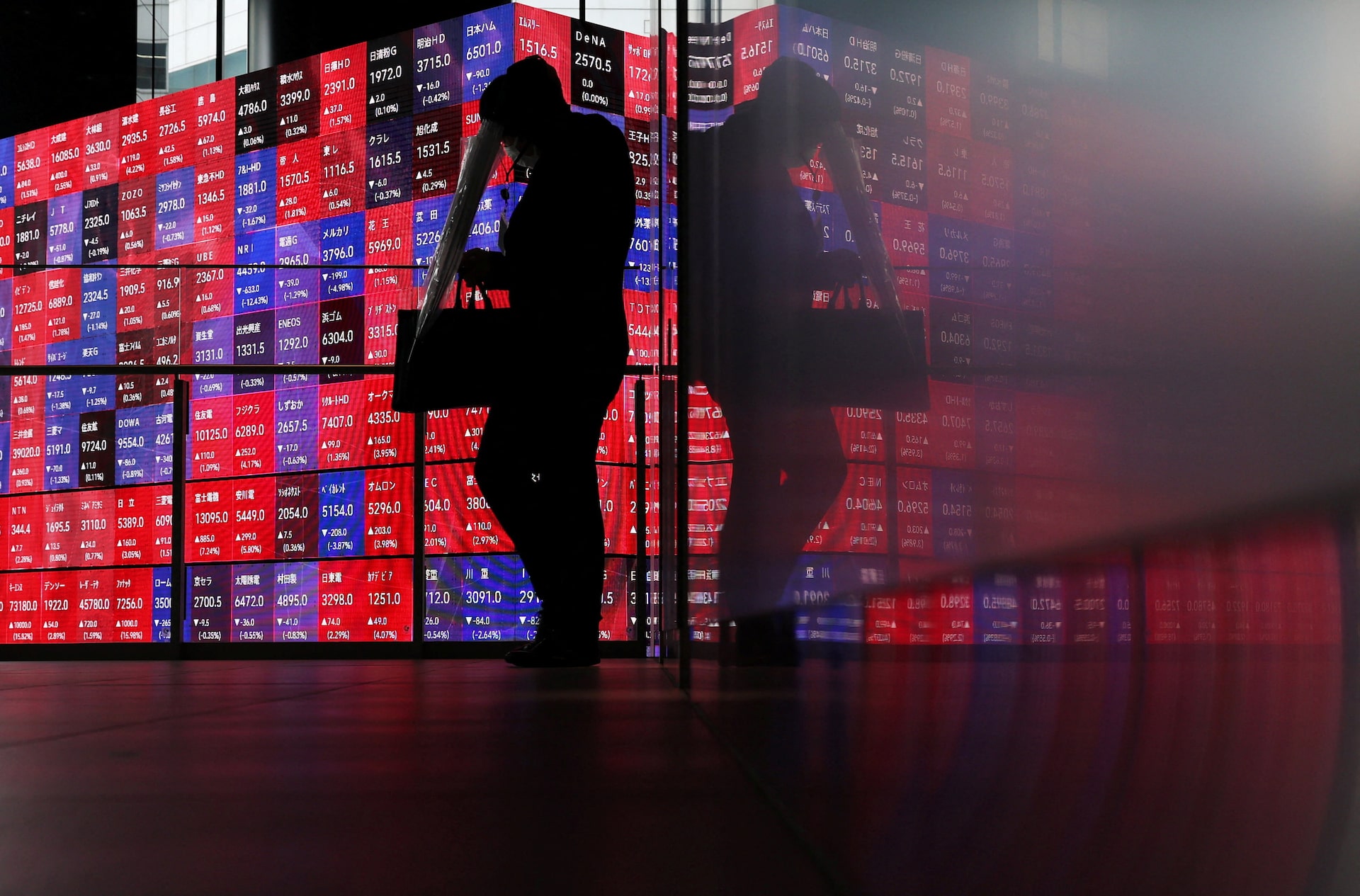
On Thursday, global financial markets showed a clear divergence, with AI-related stocks in Asia performing well, while rising oil prices and the central bank's hawkish stance caused a severe hit to the bond market. According to the latest reports, outgoing Chairman Powell has confirmed he will temporarily remain on the board to defend the Federal Reserve's independence, and his successor, Kevin Warsh, is moving toward confirmation. In the Asian markets, AI-related stocks stood out, with Samsung Electronics hitting an all-time high, while the global bond market was generally under pressure, the dollar strengthened past 160 yen, and short positions on the yen reached a two-year peak.
The global market divergence and severe fluctuations this time mainly stem from concerns that the Strait of Hormuz may remain closed, disrupting global crude oil supplies and causing oil prices to surge. This strait carries a significant portion of the world's crude oil transportation, and supply concerns directly push energy prices higher, further increasing inflation expectations. At the same time, there was significant disagreement over the Federal Reserve's interest rate decision, with 4 out of 12 voting members opposing it, and 3 advocating abandoning the easing bias, highlighting internal concerns about inflation and sending a hawkish signal to the market, triggering bond market sell-offs. In addition, investors worry that the European Central Bank and the Bank of England may issue warnings about potential rate hikes in the future, compounded by geopolitical uncertainties from ongoing Middle East conflicts, further amplifying market volatility. Meanwhile, the strength of AI-related stocks benefits from generally positive corporate earnings reports, and the market's optimistic expectations for the AI industry have offset some cyclical weaknesses.
This market volatility will have multiple impacts on the global financial market, enterprises, and the macroeconomy. Stock markets show significant divergence, with Asian AI-related stocks performing strongly. Samsung Electronics' operating profit surged to a record eightfold due to AI demand, and its stock price reached a new high. Google's parent company Alphabet reported earnings that exceeded expectations, driving its stock price up 7%, but Meta Platforms saw its stock price drop 7% due to increased AI infrastructure capital spending. Global bonds suffered heavy losses, with 10-year government bond yields in the US, Japan, and Australia rising sharply, mainly driven by soaring oil prices and hawkish signals from the Federal Reserve. In addition, high oil prices push up global inflation expectations, increasing operating costs for enterprises, while central banks' hawkish stance may lead to higher borrowing costs, further restraining economic recovery. At the same time, concerns about macroeconomic risks are intensifying, and investor sentiment is becoming cautious.
Faced with these potential risks, all parties need to take targeted measures to stabilize market expectations, maintain policy consistency and flexibility, suppress inflation while also supporting economic recovery, clearly convey policy directions, and reduce market uncertainty. The Federal Reserve needs to properly handle internal differences to avoid policy swings that could impact the market. Enterprises should actively adapt to market changes; AI-related companies can leverage industry dividends to expand their advantages while reasonably controlling capital expenditures. Companies greatly affected by oil prices and interest rates need to optimize their cost structures and hedge operational risks. Investors should view market differentiation rationally, allocate assets reasonably, avoid risks from bond and foreign exchange market fluctuations, and focus on investment opportunities and risks in areas such as AI and energy. The international community should actively mediate to promote the normalization of shipping through the Strait of Hormuz, alleviate global crude oil supply pressures, and stabilize oil price trends. In addition, relevant institutions should strengthen market monitoring, guide market expectations in a timely manner, and prevent systemic financial risks.
In summary, at present, macroeconomic risks and industry opportunities coexist. The direction of central bank policies, the status of the Strait of Hormuz reopening, and the pace of development in the AI industry will be key in determining future market trends. If oil prices remain high and central banks continue to maintain a hawkish stance, it may further suppress economic recovery; meanwhile, the continued momentum in the AI industry is expected to inject new growth drivers into the market. Only by balancing inflation and growth, as well as risks and opportunities, can the global financial markets operate steadily and achieve stable macroeconomic development.
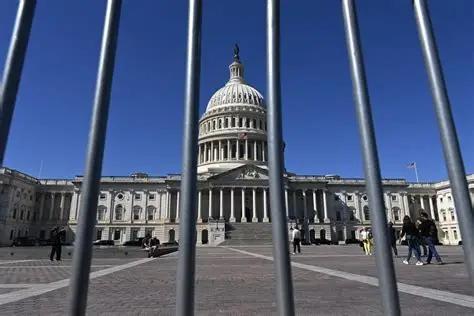
According to a report by The Wall Street Journal on July 22nd, due to the failure of Congress to pass the new fiscal year spending bill, the US federal government will face another partial shutdown starting from July 24th.
According to a report by The Wall Street Journal on July 22…
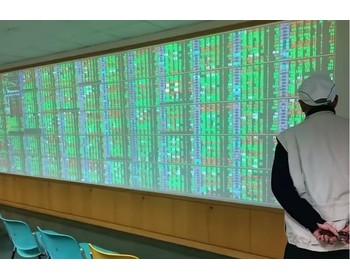
On July 17th, Taiwan's stock market experienced a historic …
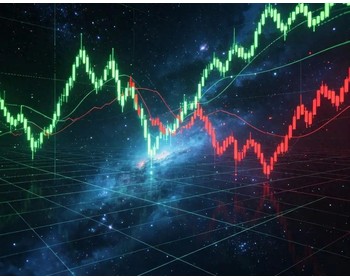
On July 22nd local time, the pre-market short-term decline …

On July 22 local time, Advanced Micro Devices (AMD) officia…

According to the report by Rich Asplund, a columnist of Bar…

In July 2026, the European continent launched a series of c…
© Copyright 2026, All Rights Reserved