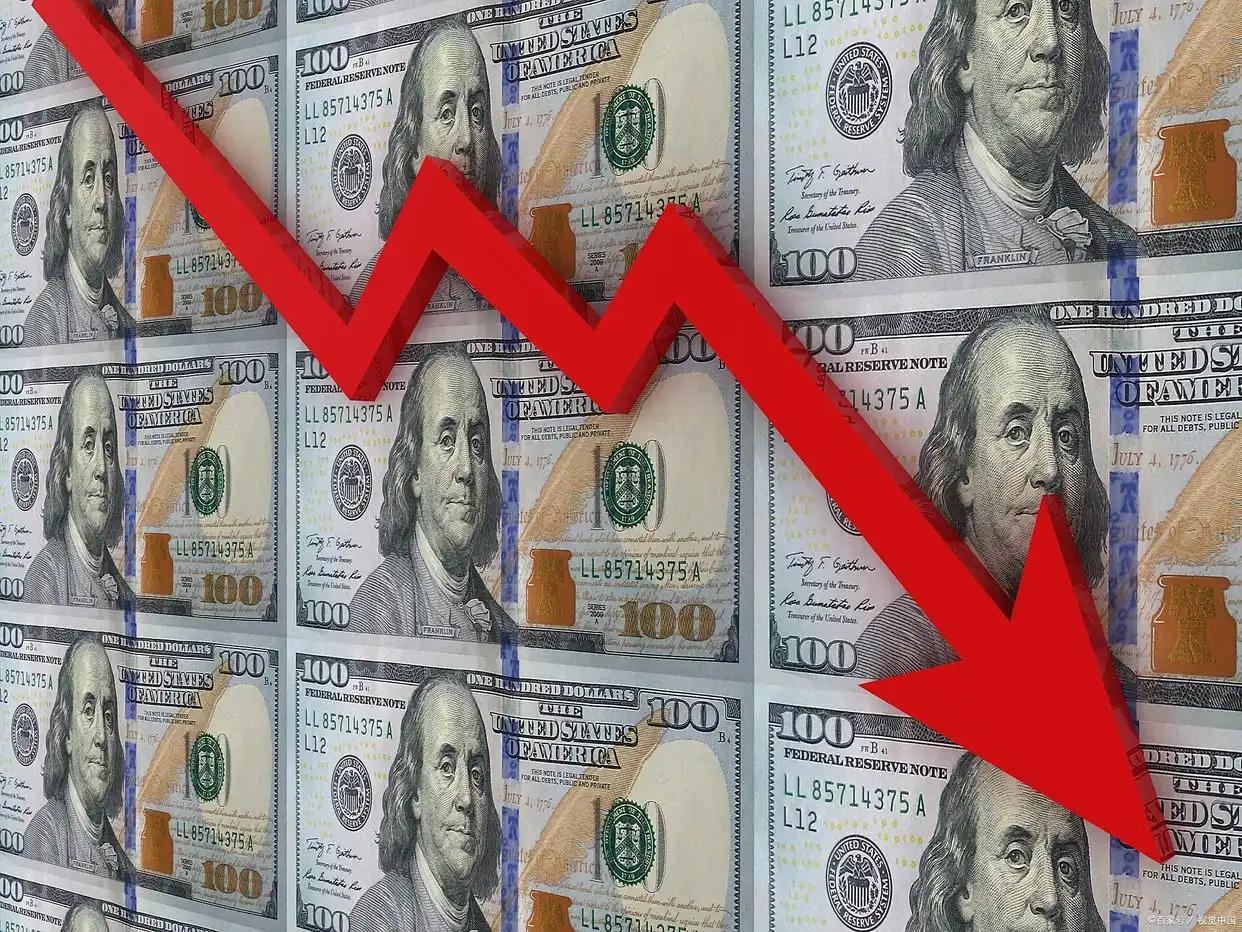
Since Trump launched wars in the Middle East, Brent crude oil reached a high of over $119 per barrel on March 9th. It then experienced intense fluctuations in the following weeks. On March 30th local time, as WTI crude oil surpassed $100 per barrel, the yield of US Treasury bonds, which is usually inversely correlated with oil prices, unexpectedly declined. The 10-year US Treasury bond yield dropped by nearly 8 basis points to 4.348%, while the 2-year yield fell to 3.82%, forming a rare "decoupling" with oil prices. This deviation is not merely a simple market fluctuation; it is a key turning point in the global financial logic shifting from "inflation trading" to "stagflation pricing", profoundly reshaping the operation patterns of the stock market, bond market, foreign exchange market, and commodities market.
Firstly, it affects the bond market and the stock market. Normally, a surge in oil prices would boost inflation expectations, forcing the Federal Reserve to tighten policies and driving up the yield of US Treasury bonds. However, this time, the "decoupling" of US bonds is mainly due to the fact that market concerns about economic recession outweigh the short-term inflation panic. The 2-year US Treasury bond yield dropped significantly, reflecting that the market is pricing in a rate cut by the Federal Reserve to address an economic hard landing. The money market has lowered the probability of an interest rate hike this year from 35% to 20%, and has re-considered the expectation of a rate cut. The US fiscal deficit is high, and the pressure of debt refinancing is increasing. Coupled with the potential risk of potential US bond sales by Gulf countries, the bond market is caught in a dilemma of "reduced yield due to recession expectations" and "increased yield due to supply pressure". At the same time, the decoupling of oil prices at $100 and the bond yield from decoupling have also had a double impact on the stock market. On one hand, high oil prices push up production costs for enterprises, compressing profit margins, especially for energy-intensive industries such as aviation, logistics, and chemicals, and the valuations of related sectors have continued to decline. On the other hand, although the decline in US bond yields benefits growth stocks, the rising recession expectations suppress overall risk appetite. The three major US stock indices have continuously declined, with the S&P 500 setting a record for the longest consecutive decline since May 2022. Market funds have accelerated their withdrawal from risky assets and shifted to defensive sectors and cash assets, entering a structural adjustment cycle. Turkey and Egypt, among other energy-importing countries, have already faced the dilemma of significant currency depreciation and high inflation, and the financial stability of emerging markets is facing severe challenges.
Furthermore, commodities and gold were also affected. Crude oil became the core driver of commodities, driving up the prices of related energy chain items (natural gas, refined oil) simultaneously. Gold, on the other hand, broke away from its independent trend and rose along with crude oil, breaking the traditional logic that "high interest rates suppress gold". The market believes that the stagflation risk triggered by high oil prices, combined with the decline in US bond yields and the subsequent fall in real interest rates, has once again highlighted the inflation-hedging and risk-avoidance value of gold, making it an important choice for capital allocation.
In addition, the risks in the financial system are also gradually increasing. The decoupling of high oil prices and US bonds has exacerbated the tightening of global financial market liquidity. On one hand, the Federal Reserve may maintain high interest rates to curb inflation, or even restart interest rate hikes. Global dollar liquidity is tightening. On the other hand, the fluctuation of US bond yields leads to revaluation of bond market valuations, and some highly leveraged financial institutions face losses due to floating losses, credit spreads widen, and the risk of corporate debt default rises. The oil-dollar system is facing an impact, while if Gulf countries reduce US bonds due to geopolitical conflicts, it may accelerate the "de-dollarization" process and shake the foundation of the US hegemony. The stability of the global financial system and the currency pattern are undergoing unprecedented challenges.
In conclusion, the decoupling of oil prices at $100 and US bonds marks the entry of the global financial market into a new cycle of "high inflation, weak growth" under stagflation pricing. In the future, the direction of the Middle East situation, the policy choices of the Federal Reserve, and the game of inflation and growth data will determine the market trend. Investors should be vigilant about the increasing risk of volatility, optimize their asset allocation, focus on sectors such as energy and gold that offer inflation protection and defense capabilities, and closely monitor policy and geopolitical developments, adjusting their investment strategies promptly.
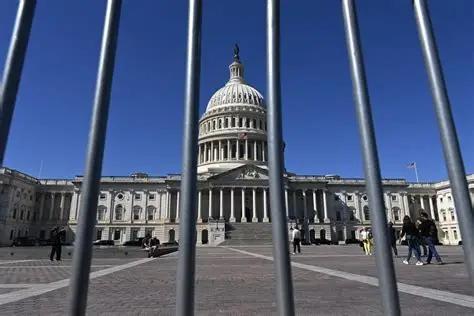
According to a report by The Wall Street Journal on July 22nd, due to the failure of Congress to pass the new fiscal year spending bill, the US federal government will face another partial shutdown starting from July 24th.
According to a report by The Wall Street Journal on July 22…

On July 17th, Taiwan's stock market experienced a historic …
On July 22nd local time, the pre-market short-term decline …
On July 22 local time, Advanced Micro Devices (AMD) officia…

According to the report by Rich Asplund, a columnist of Bar…

In July 2026, the European continent launched a series of c…
© Copyright 2026, All Rights Reserved