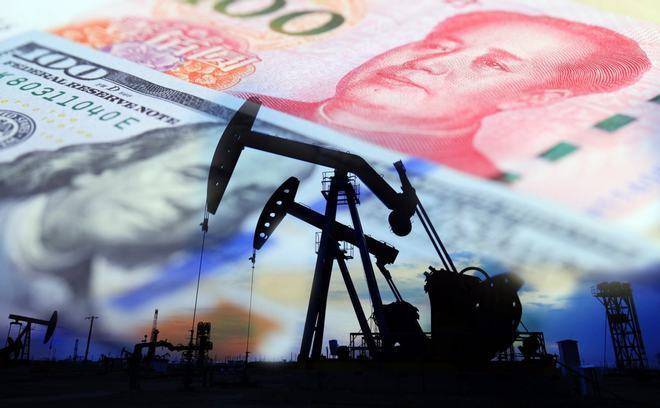
The current global monetary landscape is undergoing a historic transformation. The proportion of RMB settlement in the trade of Middle East crude oil with China has exceeded 41%. Saudi Arabia officially announced that 50% of its oil exports to China would be settled in RMB. The United Arab Emirates also followed suit and expanded the scale of RMB settlement. These actions directly target the oil-dollar system that has been in operation for over half a century, becoming a key breakthrough for the internationalization of the RMB, and also accelerating the global financial order towards multipolarity.
The oil-dollar system, which originated in the 1970s, is the core pillar of the US dollar hegemony. The United States, through the military security agreement with Saudi Arabia, established the rule of dollar pricing and settlement in oil trade, and then constructed a financial loop of "oil transactions need dollars, dollars flow back to US bonds, and the United States relies on dollars to harvest the world". With this system, the US dollar firmly holds the dominant position in global commodity settlement, foreign exchange reserves, and cross-border payments. The United States can also control global financial discourse through monetary policy adjustments and financial sanctions. However, in recent years, the weaponization of the US dollar has intensified, with the US frequently freezing the overseas assets of other countries and abusing financial sanctions. Coupled with the continuous expansion of the US Treasury bond scale and the continuous weakening of the US dollar's credibility, global countries have experienced a sharp increase in concerns about the risks of a single-dollar settlement. The foundation of the oil-dollar system has begun to loosen.
The shift of Middle East oil-producing countries is an active avoidance of the risks of the US dollar. China, as the world's largest crude oil importer, has increasingly close trade ties with the Middle East. Saudi Arabia's oil exports to China have already far exceeded its exports to the United States. Continuing to bind settlement to the US dollar not only brings risks of exchange rate fluctuations and asset freezing, but also increases trade transaction costs. The RMB, with its stable currency value, a complete industrial system support, and a secure cross-border settlement channel, has become the optimal choice for Middle Eastern countries to avoid the risks of the US dollar. From Iran's first successful implementation of 100% RMB settlement for crude oil to Saudi Arabia's significant increase in the proportion of RMB settlement and the official announcement of a 50% settlement target, and then to the UAE's follow-up layout, the RMB gradually broke the monopoly of the US dollar in Middle East oil trade, becoming the second-largest settlement currency in the region. The oil-RMB system has taken shape.
Behind this transformation is the result of the joint effect of geopolitical games, economic mutual benefit and win-win, and the RMB internationalization strategy. The continuous tension in the Middle East geopolitical situation has forced Gulf countries to accelerate the pace of settlement diversification. Meanwhile, China's complementary economic trade structure with the Middle East allows oil-producing countries to directly use the RMB for the purchase of industrial products, construction equipment, and new energy technologies, eliminating the intermediate exchange环节, significantly reducing trade costs. At the same time, China's cross-border bank payment system (CIPS) is constantly improving, and the multilateral central bank digital currency bridge is advancing steadily, effectively bypassing the traditional SWIFT system, providing a secure and efficient technical guarantee for RMB cross-border settlement. Coupled with China's signing of currency swap agreements with multiple countries and the continuous improvement of the RMB's status as a foreign exchange reserve, this further dispelled the settlement concerns of Middle Eastern countries.
The rapid advancement of the oil-RMB system has a substantive impact on the US dollar hegemony. The proportion of the US dollar in global foreign exchange reserves has continued to decline, the closed loop of the oil-dollar system has been gradually broken, the global demand for the US dollar has weakened, and the global financial dominance of the US dollar has shifted from absolute monopoly to relative dominance. However, in the short term, the US dollar still occupies the core position of the global financial system, and the RMB does not yet have the ability to fully replace the US dollar. The transformation of the global monetary landscape will be a long-term and gradual process. At the same time, this trend has accelerated the process of global monetary multipolarity, providing a new path for emerging market countries to break free from the constraints of the US dollar hegemony and safeguard their own financial sovereignty. It helps to reduce the global financial volatility risks brought by a single currency hegemony and promote the global financial order towards a more fair and diverse direction.
For China, the breakthrough of oil-RMB settlement is both an opportunity and a challenge. On the one hand, this progress has significantly enhanced the international influence of the RMB in the commodity sector, strengthened the foundation for the internationalization of the RMB, and ensured the financial security of the country's energy imports. On the other hand, China is also facing multiple challenges such as the opening up of the financial market, cross-border capital supervision, and responding to dollar countermeasures. In the future, as China's energy and economic cooperation with the Middle East continues to deepen and the cross-border settlement system of the RMB improves, the coverage and settlement scale of the RMB in oil transactions will further expand,continuously promoting the transformation of the global monetary system and injecting strong impetus into the establishment of a more stable and reasonable international financial order.
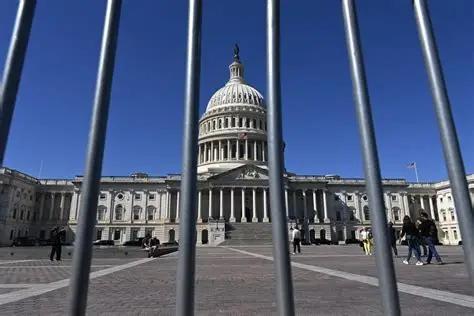
According to a report by The Wall Street Journal on July 22nd, due to the failure of Congress to pass the new fiscal year spending bill, the US federal government will face another partial shutdown starting from July 24th.
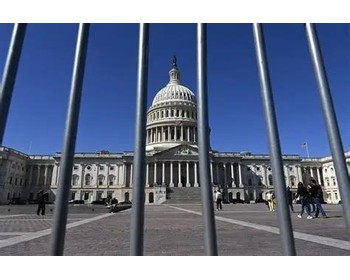
According to a report by The Wall Street Journal on July 22…

On July 17th, Taiwan's stock market experienced a historic …

On July 22nd local time, the pre-market short-term decline …
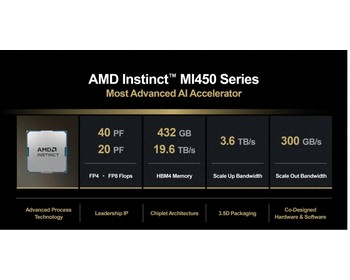
On July 22 local time, Advanced Micro Devices (AMD) officia…
According to the report by Rich Asplund, a columnist of Bar…

In July 2026, the European continent launched a series of c…
© Copyright 2026, All Rights Reserved