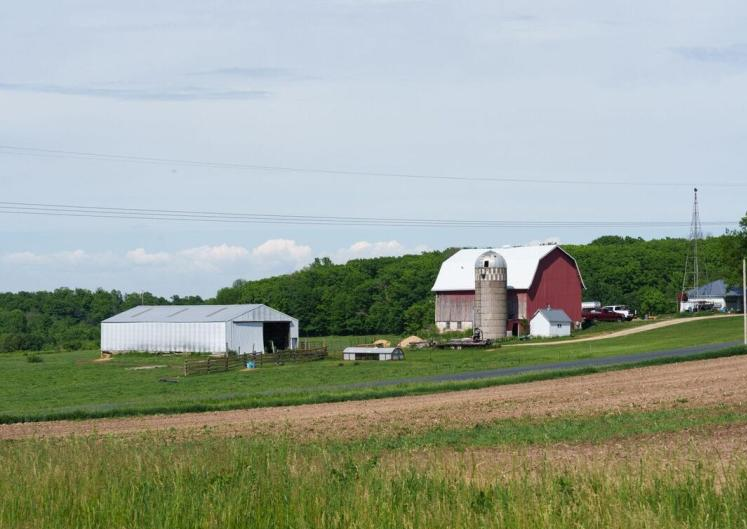
The rising prices of fuel and food are undermining President Trump's traditional support base in rural areas.
The latest poll released by Reuters and Ipsos shows that rural voters' assessment of Trump's handling of issues related to living expenses and the economy has significantly deteriorated. This change may add pressure to the Republicans to retain a majority in Congress in the November midterm elections.
According to a report by Reuters, based on a survey conducted among 4,531 American adults from June 3rd to 8th, Trump's approval rating in rural areas dropped from 60% when he took office in February 2025 to 50%, while his disapproval rating rose from 34% to 48%.
Trump's national approval rating has also dropped to 35%, approaching the lowest point of his political career. Polls show that the majority of Americans are worried that the impact of the war in Iran will lead to further increases in fuel prices.
According to the survey, the main reason for the decline in support in rural areas is that voters are dissatisfied with Trump's handling of issues related to living expenses and the economy. Only 31% of rural respondents approved of his performance in these areas, while 61% disapproved. In contrast, in February, 45% of rural voters still approved, and only 43% disapproved.
The rural areas have always been a crucial support base for Trump.
According to an analysis by the Pew Research Center, Trump led the Democratic candidate by 40 percentage points among rural voters in the 2024 presidential election, which was higher than the 31 percentage points in 2020 and the 25 percentage points in 2016.
Brian Rauch, a 42-year-old veteran from Montana, has consistently voted for Trump in every presidential election. However, he is now increasingly dissatisfied with his administration's performance. It is reported that he often needs to drive about 50 kilometers to seek medical treatment, and the high oil prices have made the burden even heavier, while food prices have also been continuously rising.
The 2022 National Household Travel Survey conducted by the US Department of Transportation shows that rural residents drive an average of 48 kilometers per day, which is higher than the 27 kilometers driven by urban residents. As a result, they are more vulnerable to the impact of rising oil prices.
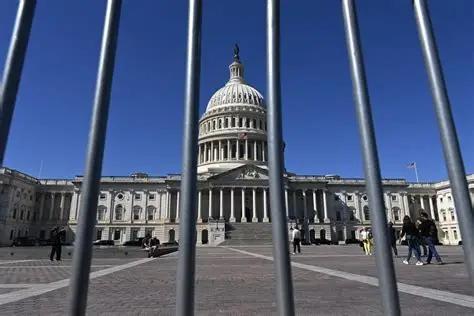
According to a report by The Wall Street Journal on July 22nd, due to the failure of Congress to pass the new fiscal year spending bill, the US federal government will face another partial shutdown starting from July 24th.
According to a report by The Wall Street Journal on July 22…

On July 17th, Taiwan's stock market experienced a historic …

On July 22nd local time, the pre-market short-term decline …

On July 22 local time, Advanced Micro Devices (AMD) officia…
According to the report by Rich Asplund, a columnist of Bar…

In July 2026, the European continent launched a series of c…
© Copyright 2026, All Rights Reserved