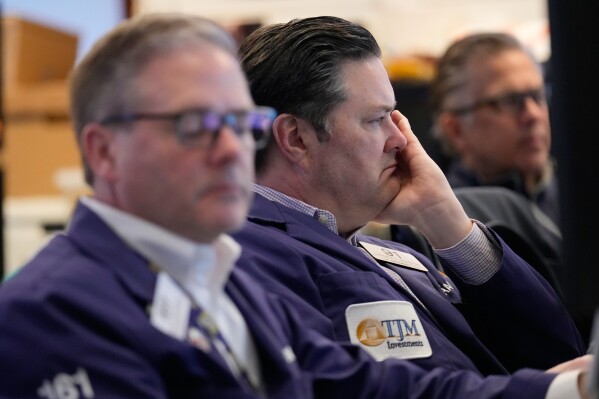
The U.S. stock market saw a strong rebound this week, recovering all losses caused by the U.S.-Iran war. According to the latest data, the S&P 500 index rose 1%, falling back to the level before the U.S. and Israel attacked Iran in late February, only 1.3% below the record high set earlier this year. Meanwhile, although oil prices jumped above $100 per barrel over the weekend after ceasefire talks failed to end the war, the gains gradually slowed on Monday, and overall financial market volatility remained far below the extreme levels seen since the start of the war.
The strong rebound of the stock market and the easing volatility in the global financial markets are the results of multiple factors acting together. The subtle changes in the US-Iran situation laid the foundation for the market rebound. Although the weekend ceasefire negotiations failed, Trump's announcement to block the Strait of Hormuz was accompanied by a clear statement that the United States is still willing to engage with Iran, and the ceasefire status was temporarily maintained. This 'pressure and dialogue coexisting' approach alleviated market concerns about a full-scale escalation of the situation. Secondly, the start of the earnings season has boosted market sentiment through performance expectations. Despite some concerns, it still injected positive signals into the market. At the same time, the narrowing rise in oil prices reduced market worries about high oil prices leading to high inflation, creating a favorable environment for the stock market rebound.
The stock market will also have multiple impacts. The market rebound has eased market panic and boosted confidence in the global financial markets. This has not only stabilized investor sentiment but also injected positive signals into the global financial market, to some extent alleviating the global market panic caused by the US-Iran war. Secondly, sector differentiation has intensified. The technology and software sectors have seen a valuation correction, driving a collective rebound in these sectors and easing the previous downward pressure caused by AI-related concerns. At the same time, the pressure on Iran has initially shown effects. Trump announced the blockade of the Strait of Hormuz, and combined with the market confidence transmitted by the US stock market rebound, this has further increased Iran's economic and diplomatic pressure, attempting to force Iran to make concessions in negotiations.
In the face of the U.S. stock market rebound and the potential risks behind it, all parties need to take targeted measures based on their own situations. Investors should remain rational, balancing short-term opportunities with long-term risks. While paying attention to investment opportunities brought by the earnings season, they should be wary of potential risks such as fluctuations in U.S.-Iran relations and financial industry concerns revealed in Goldman Sachs' earnings report. Companies should properly handle earnings disclosures and investor communication, explaining potential risks to investors while reporting performance. At the same time, relevant tech companies need to reasonably plan their investments in the AI sector, balancing investment and profitability to alleviate market concerns about their earning capabilities. The U.S. government should continue to convey signals for dialogue, actively advance diplomatic negotiations while pressuring Iran on blocking the Strait of Hormuz, maintain a temporary ceasefire, and avoid escalations that may impact the financial market and economic recovery.
In summary, the strong rebound of the U.S. stock market on Monday is a comprehensive response by the market to signals of easing U.S.-Iran tensions, positive expectations for the earnings season, and sector-specific benefits. However, it should be noted that the current market rebound is still on an unstable foundation. The U.S.-Iran situation has not been completely resolved, and Trump's move to block the Strait of Hormuz could still trigger fluctuations. If the situation fluctuates, the market may become volatile again. This also once again shows that geopolitical risks remain important factors affecting global financial markets, while corporate earnings and sector rotation dominate short-term market trends. All types of market participants need to remain rational, balancing opportunities and risks, in order to achieve steady development in a complex market environment.
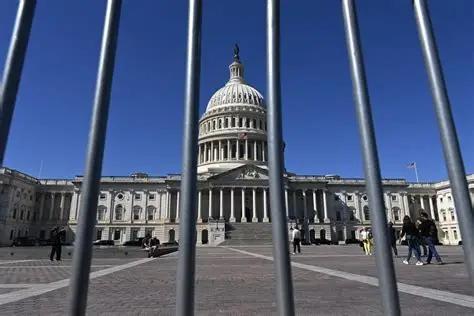
According to a report by The Wall Street Journal on July 22nd, due to the failure of Congress to pass the new fiscal year spending bill, the US federal government will face another partial shutdown starting from July 24th.
According to a report by The Wall Street Journal on July 22…

On July 17th, Taiwan's stock market experienced a historic …

On July 22nd local time, the pre-market short-term decline …

On July 22 local time, Advanced Micro Devices (AMD) officia…

According to the report by Rich Asplund, a columnist of Bar…

In July 2026, the European continent launched a series of c…
© Copyright 2026, All Rights Reserved