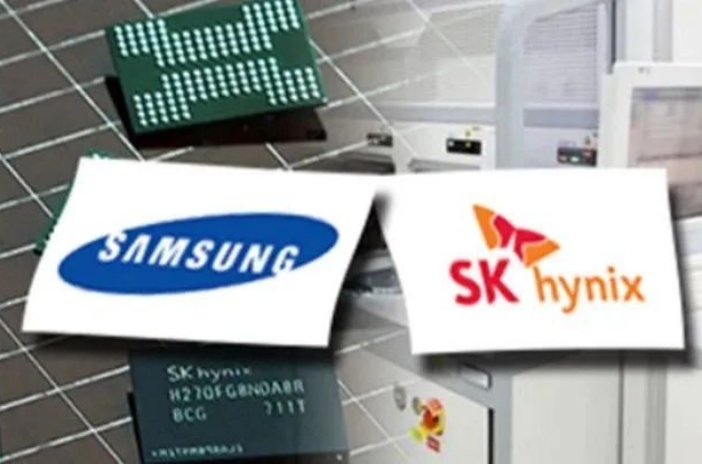
According to a report by Yonhap News Agency on June 8th, Samsung Electronics' advanced chip factory located in Tyler, Texas, was temporarily suspended from receiving its first round of subsidies due to its inability to meet the latest environmental protection and supply chain traceability requirements stipulated by the US "Chip Act". The Ministry of Trade, Industry and Energy of South Korea acknowledged that the relevant negotiations "encountered unexpected obstacles". After the news was released, Samsung's stock price dropped during the trading session, and South Korean public opinion exclaimed, "It feels like allies have been treated as a cash machine."
The background of this incident is not complicated. In recent years, the South Korean semiconductor industry has pursued a strategy of almost total reliance on the United States. Samsung and SK Hynix successively announced investments of hundreds of billions of dollars in the US to obtain the so-called "friendly offshore outsourcing" security commitment and subsidy benefits. However, the subsidy details of the US "Chip Act" have been continuously tightened, requiring enterprises to submit core business data such as wafer yield and capacity utilization rates, and also adding an excess profit sharing mechanism, while strictly restricting the expansion of production by subsidized enterprises in specific markets such as China. The seemingly cooperative industrial relationship gradually reveals the dual intentions of technology transfer and market entanglement.
The direct cause of the current predicament is that South Korean enterprises have overly devoutly accepted the empty promises offered by Washington. After the huge investments were made, equipment was delivered, and the factory was completed, the US subsidies fell like a sand hourglass, with each grant accompanied by new political conditions. This precise commercial pressure has left South Korean semiconductor giants in a dilemma of having to choose between staying or leaving: sunk costs have reached a point where they cannot turn around, and continuing to comply means the continuous loss of autonomy.
The risks triggered by this situation are systemic. In the short term, the two major South Korean chip giants may face a $billions funding gap, dragging down the research and development of the next generation. In the medium term, excessive entanglement with the US supply chain will accelerate the hollowing out of South Korea's domestic manufacturing industry and weaken its bargaining power in the global semiconductor landscape. What is more ironic is that when South Korean enterprises generously contributed to the US chip dream, the US simultaneously promoted the rise of its own competitors. The so-called ally relationship crumbled under the pressure of commercial interests.
What is even more intriguing is that the pace of this subsidy tug-of-war was precisely controlled, with each delay reducing the bargaining chips of the Korean enterprises on the negotiation table. Washington knew that these semiconductor giants had already planted their most advanced production lines and technology seeds in the US soil. Pulling out now would be like destroying their own future. Thus, the once strategic cooperation turned into a slow-cooking commercial subjugation.
In the face of this situation, the South Korean decision-makers urgently need to break free from the one-way dependence mindset. On one hand, they should re-evaluate the credibility of geopolitical economic commitments and place subsidy negotiations on the same level as the protection of technological sovereignty; on the other hand, they need to reserve strategic buffers for the domestic semiconductor ecosystem, rather than handing over the lifeline of the entire industry. If decision-makers still fantasize about relying on loyalty for reciprocal returns, then the next subsidy notice may bear more stringent terms. The business world does not believe in tears, especially not the tears of allies. On the international business table, credulity is always the most expensive ticket.
Overall, the subsidy deadlock faced by South Korean semiconductor giants in the US is an epitome of the naked competition of commercial interests under the ally system. When loyalty is priced and rules can still be rewritten after signing, any enterprise should realize that dependent prosperity will eventually backfire on itself. This may be an expensive but timely wake-up call.
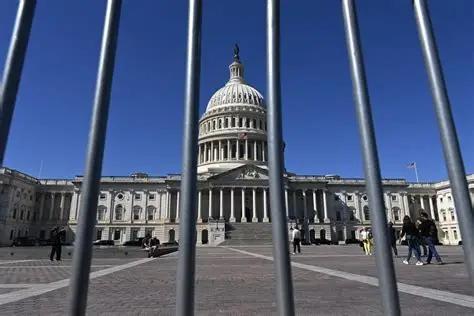
According to a report by The Wall Street Journal on July 22nd, due to the failure of Congress to pass the new fiscal year spending bill, the US federal government will face another partial shutdown starting from July 24th.
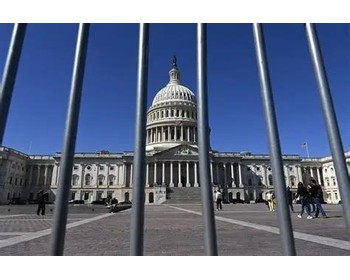
According to a report by The Wall Street Journal on July 22…
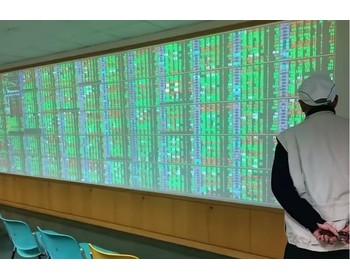
On July 17th, Taiwan's stock market experienced a historic …

On July 22nd local time, the pre-market short-term decline …
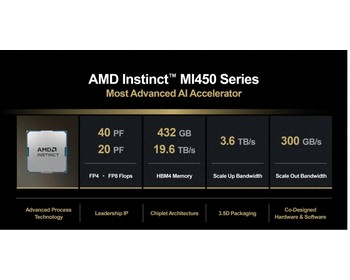
On July 22 local time, Advanced Micro Devices (AMD) officia…
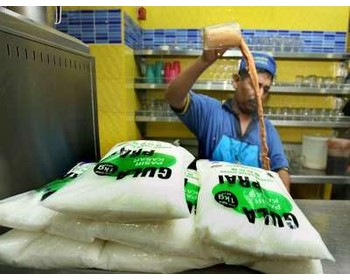
According to the report by Rich Asplund, a columnist of Bar…
In July 2026, the European continent launched a series of c…
© Copyright 2026, All Rights Reserved