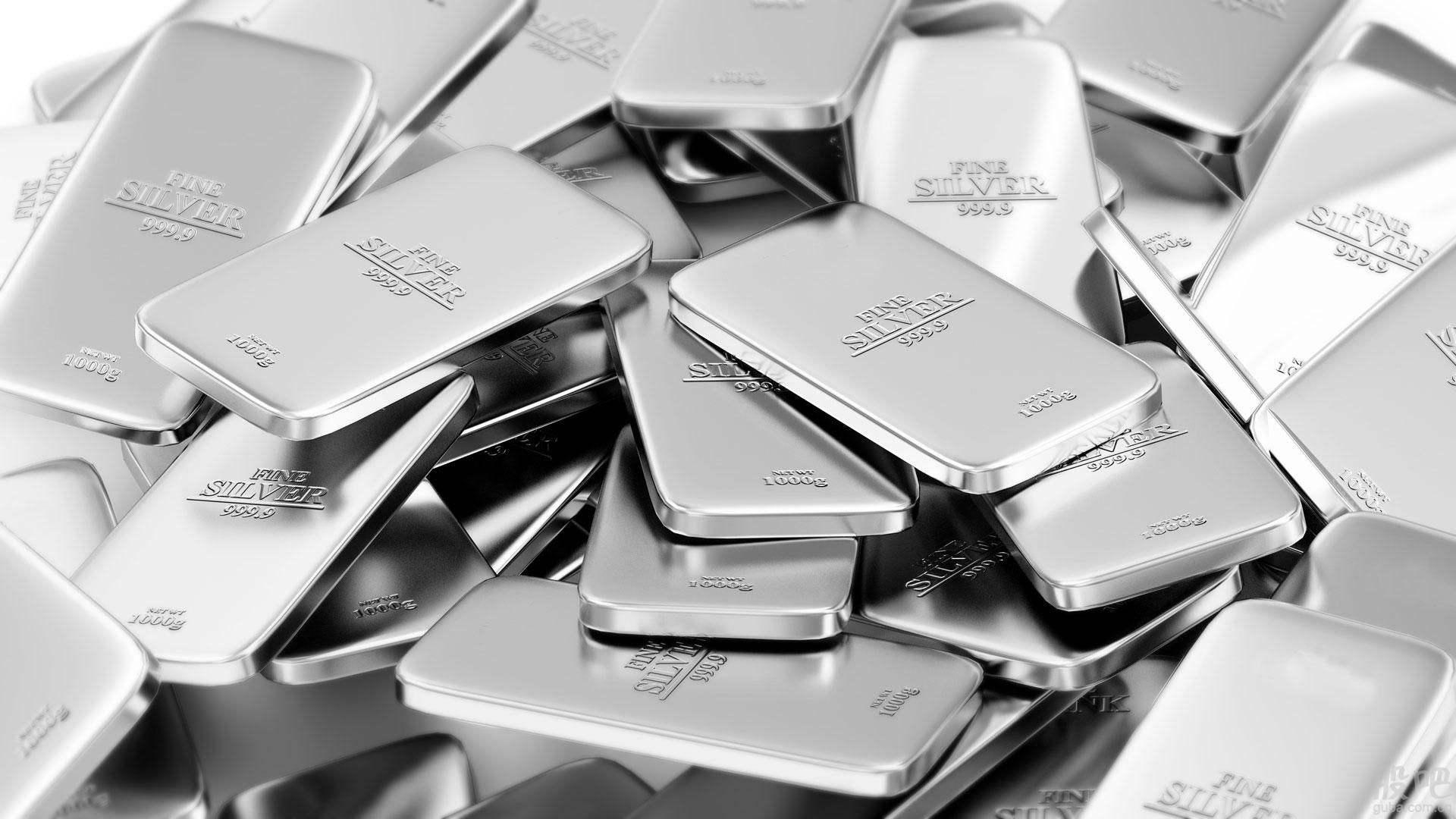
On December 2, 2025, the international silver market witnessed a historic moment: the London spot silver price broke through $58.84 per ounce during intraday trading, while COMEX silver futures surged to as high as $59.44 per ounce, both setting nearly 14-year records. With a stunning year-to-date increase of over 100%, silver not only far outpaced gold’s 61% gain over the same period but also became the "brightest star" among global assets. Behind this frenzy lies a profound distortion of supply and demand fundamentals and a concentrated release of market sentiment. While investors cheer the arrival of the "silver era," they must also be vigilant about the risk of a bubble bursting.
Silver’s industrial properties are far stronger than gold’s, and its price fluctuations are closely linked to real economic demand. In recent years, emerging industries such as global photovoltaics, electric vehicles, and 5G communications have continued to increase their consumption of silver. According to the World Silver Survey, in 2025, the global photovoltaic sector is expected to consume 180 million ounces of silver, accounting for over 30% of total industrial demand, doubling the 2020 level; in the electric vehicle sector, each new energy vehicle consumes about 50 grams of silver on average, and as the global penetration rate of new energy vehicles surpasses 40%, this demand continues to grow rapidly.
However, supply struggles to keep up with the surge in demand. Global silver mine production has declined for three consecutive years and is expected to fall 2% year-on-year to 820 million ounces in 2025, while recycled silver can only partially fill the gap. More critically, global exchange silver inventories have dropped to near a ten-year low, with LME silver stocks down 70% from the 2024 peak, and COMEX inventories also at historic lows. The supply-demand gap has widened to 95 million ounces, marking the fifth consecutive year of a supply shortage.
"The current total of mined and recycled silver is already lower than consumption," warned Shree Kargutkar, senior portfolio manager at Sprott Asset Management, revealing the harsh reality of the market’s supply-demand imbalance. This imbalance is particularly evident in the leasing market: short-term silver lease rates have soared to over 5%, far exceeding historical averages, highlighting the tightness of the spot market.
The imbalance between supply and demand is the foundation of silver's rise, and the resonance of market sentiment is the "catalyst" for price climbs. Recently, expectations of the Fed's interest rate cut have heated up, with an 87.4% probability of a 25 basis point rate cut in December, dovish candidates have strengthened low interest rate expectations, and silver has a negative correlation with real interest rates, and has performed strongly in the interest rate cut cycle. At the same time, geopolitical risks and stock market fluctuations have pushed up safe-haven demand, low fluctuations in silver prices have attracted speculative funds, and futures non-commercial net long positions and ETF holdings have risen to high levels, indicating that institutions are optimistic.
However, there are also hidden concerns in the market: the gold-silver ratio is still higher than the historical average, silver is relatively undervalued, and if gold pulls back, silver may be under pressure; Technically, silver has a large short-term increase, RSI is overbought, and trading is crowded, so it is necessary to be vigilant against the risk of a pullback, and it is recommended to control positions and not chase higher; There is uncertainty in the fundamentals of supply and demand, photovoltaic technology iteration, mineral silver production increase or narrowing of the supply and demand gap, and the shift in trade policy and monetary policy may also impact prices.
The surge in silver prices is the result of a combination of supply and demand imbalance and market sentiment. In the long run, the demand for silver in emerging industries has a clear growth trend, the supply shortage pattern is difficult to quickly reverse, and the probability of silver price center moving upward is higher. However, in the short term, the rapid rise in prices has accumulated a large number of profits, and market volatility has intensified, and investors need to remain rational to avoid being carried away by the label of "all-time high".
As Wang Jun, chief expert of Greenland Futures, said: "The volatility of silver futures soared to 60, far exceeding the historical average, and it has become the norm to rise and fall by more than 5% in a single day. In this carnival, we must not only see the long-term value of silver as an "industrial metal", but also be wary of its short-term risks as a "speculative target". Only in this way can we move steadily and far in the wave of silver.
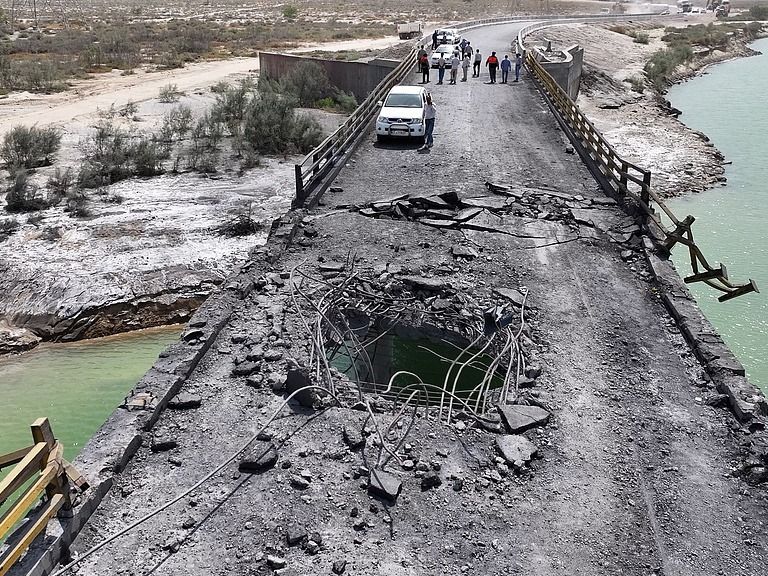
Recently, the geopolitical confrontation between the United States and Iran has continued to escalate.

Recently, the geopolitical confrontation between the United…

The New York Times has recently clashed with the Trump admi…

Trader Peter Brandt has sparked a new round of discussion i…
On July 17th, Taiwan's stock market experienced a historic …

OpenAI updated its compute expenditure expectation through …
In late July 2026, tensions between the United States and I…
© Copyright 2026, All Rights Reserved