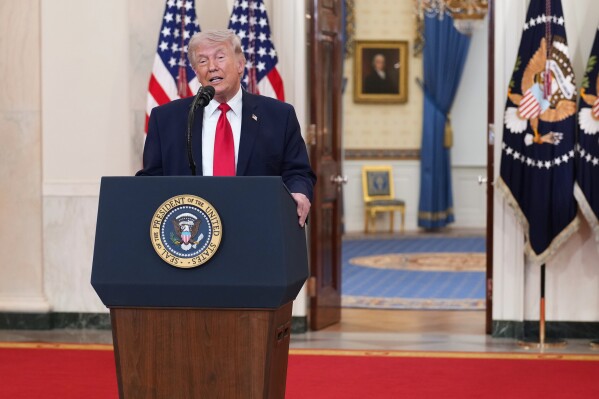
On Thursday, Wall Street shook off early losses and closed slightly higher, successfully ending the first profitable week since the outbreak of the Iran war. According to the latest news, the immediate trigger for the early decline in the stock market was President Trump's national address on Wednesday night, in which he vowed that the United States would continue to attack Iran but did not provide a clear timetable for ending the Middle East conflict. This statement directly drove oil prices up, which in turn caused short-term volatility in the stock market. Although oil prices fell slightly that day, they remained above $100 per barrel, and the impact on the stock market continued.
The stock market first fell and then rose, ultimately achieving the first weekly gain since the Iran war, primarily due to multiple factors such as oil price fluctuations and changes in market expectations. Trump's nationwide speech directly triggered short-term market volatility, intensifying concerns over the escalating situation in the Middle East, which drove oil prices to surge and consequently led to an early stock market drop, triggering short-term panic selling by investors. Secondly, repeated adjustments in market expectations pushed the stock market to recover, but the expectation that 'the conflict will not worsen further' gradually dominated, coupled with the boost from tech stocks, resulting in a slight rise at the close. Additionally, changes in macroeconomic and policy expectations influenced market trends. Wall Street's concerns about high inflation persisted, and the surge in oil prices further increased inflationary pressure, undermining the expectation of a Federal Reserve rate cut, keeping bond market yields stable. Under an environment of 'high inflation but no rate cut expectation,' the stock market showed a 'slight rise but with divergence,' neither falling sharply due to inflation worries nor rising significantly due to short-term improvements in expectations.
The slight rise in the stock market at the close has had multiple effects on global capital markets, various industries, and consumers. Profits in the first week alleviated market panic since the Iran war, to some extent stabilized investor confidence, and helped boost market expectations for subsequent trends. However, the stock market shows clear divergence, sector rotation is accelerating, investor risk appetite remains at a low level, and oil price volatility has not been fundamentally eased, so the stock market may still experience sharp fluctuations due to changes in the Middle East situation. At the same time, rising fuel prices have increased the travel burden on consumers, pushed up the prices of various goods and services, directly raising consumers' living costs, and further exacerbating cost-of-living pressures. In addition, soaring oil prices have intensified high inflation pressures, not only suppressing consumers' willingness to spend but also potentially affecting corporate investment decisions, slowing the pace of economic recovery, increasing corporate financing costs and residents' housing pressure, and further dampening economic vitality. The short-term rebound in the stock market has not changed the market consensus that 'long-term conflict will exacerbate inflation and global growth pressures.' In the long run, if conflicts in the Middle East persist, they may still trigger another stock market decline and further drag down the global economy.
In summary, the slight rise in the stock market reflects both the market's optimistic expectation that the Middle East conflict will not continue to worsen and highlights that core risks such as oil price volatility and high inflation have not been eliminated. Essentially, this stock market fluctuation is a concentrated manifestation of multiple conflicts, including global energy supply chain tensions, high inflation pressures, and geopolitical conflicts. If the Middle East conflict is not effectively alleviated, the stock market may still face the risk of renewed fluctuations, potentially dragging down global economic recovery. Only by cooling the situation in the Middle East, easing tight oil supplies, stabilizing oil prices, while also implementing reasonable monetary policies to balance inflation and economic growth, and with investors making rational allocations and businesses responding proactively, can stable development of the stock market and the economy be achieved.
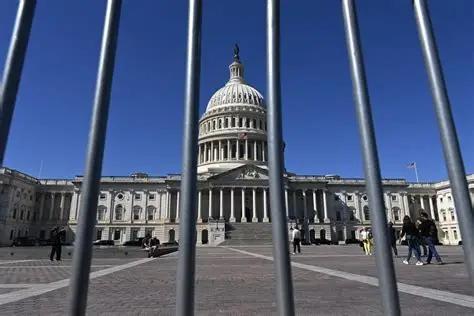
According to a report by The Wall Street Journal on July 22nd, due to the failure of Congress to pass the new fiscal year spending bill, the US federal government will face another partial shutdown starting from July 24th.
According to a report by The Wall Street Journal on July 22…

On July 17th, Taiwan's stock market experienced a historic …

On July 22nd local time, the pre-market short-term decline …

On July 22 local time, Advanced Micro Devices (AMD) officia…
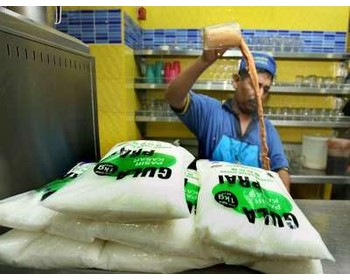
According to the report by Rich Asplund, a columnist of Bar…

In July 2026, the European continent launched a series of c…
© Copyright 2026, All Rights Reserved