
A recent impact assessment report released by the UK government clearly indicates that major reforms to financial regulation will generate over £1.6 billion in economic growth for the City of London over the next decade. This growth will primarily be achieved through reducing bank operating costs and encouraging more lending, injecting new vitality into the UK economy.
The core of these reforms is the Financial Services and Markets Bill, currently under review in the House of Lords. This represents the most thorough overhaul of the City of London's regulatory system in over a decade. The government report details the reforms' impact: by abolishing payment regulators, eliminating certification rules for financial professionals, and reforming the Financial Ombudsman system, subsidies could directly save businesses nearly £127 million in net costs annually. If the broader impacts of increased lending and economic growth are added, according to the government's "net present value social value" standard, the overall social benefit over the next decade will reach £1.64 billion.
Chancellor of the Exchequer Rachel Reeves has consistently viewed the City of London as a crucial engine of UK economic growth. In her second budget in November 2025, facing pressure from international banks, she ultimately did not raise taxes on the financial sector to secure strong government support for the area.
Specific reform measures primarily revolve around reducing the burden on businesses and improving regulatory efficiency. First, the senior management certification system introduced after the 2008 financial crisis will be abolished. This system requires financial institutions to conduct qualification reviews and record-keeping for thousands of senior staff annually, currently covering nearly 15 employees—a very heavy burden. The reform will halve this burden, saving businesses approximately £70 million annually.
Second, the government plans to expedite regulatory processes, including weekly regulatory approval times for financial companies, the introduction of a temporary licensing system for innovative companies, and requiring regulators to develop long-term strategies. These adjustments are expected to save an additional £31 million annually.
Another significant reform to the Financial Ombudsman's service is the primary channel for consumers to file complaints and seek compensation from financial institutions. The reform will limit the Ombudsman's flexibility in invalidating decisions against compliant companies, while introducing a 10-year statute of limitations for complaints. This change is expected to save over £18 million annually and reduce the number of complaints handled by approximately 28,000.
Furthermore, the government has pledged a complete overhaul of the designated representative system. Currently, authorized financial companies can appoint unregulated companies or individuals to conduct business on their behalf, but these representatives file nearly 20% more complaints than other companies. Under the reform, the Financial Conduct Authority (FCA) will strengthen its scrutiny of approximately 8,000 representatives annually to ensure their eligibility. This measure is expected to save nearly £13 million in the near term, primarily due to a decrease in complaints.
The government has also proposed expanding the funding scope for credit union memberships, allowing more ordinary people to access affordable financing services. Simultaneously, it will relax the requirement for banks to strictly separate retail and investment banking operations, which will further promote lending and provide more support to the real economy.
This reform initiative in the UK is not accidental. In recent years, the UK financial services industry has faced fierce competition from other countries and regions. Since 2010, the industry's actual size has barely increased. In the United States, Trump's return to the White House sparked a wave of financial deregulation, putting greater pressure on many countries within the UK, prompting them to revert to the strict regulations implemented after the 2008 global financial crisis. The government believes that only proactive reform can maintain London's competitiveness as a major global financial center.
Overall, this financial reform represents a significant attempt by the British government to strike a balance between strict regulation in the post-financial crisis era and the current need for economic growth. It aims to revitalize the City of London and provide strong support for the UK economy by significantly reducing costs, simplifying processes, encouraging innovation, and increasing lending.
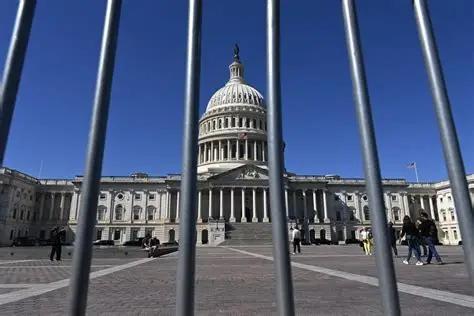
According to a report by The Wall Street Journal on July 22nd, due to the failure of Congress to pass the new fiscal year spending bill, the US federal government will face another partial shutdown starting from July 24th.
According to a report by The Wall Street Journal on July 22…

On July 17th, Taiwan's stock market experienced a historic …

On July 22nd local time, the pre-market short-term decline …

On July 22 local time, Advanced Micro Devices (AMD) officia…

According to the report by Rich Asplund, a columnist of Bar…

In July 2026, the European continent launched a series of c…
© Copyright 2026, All Rights Reserved