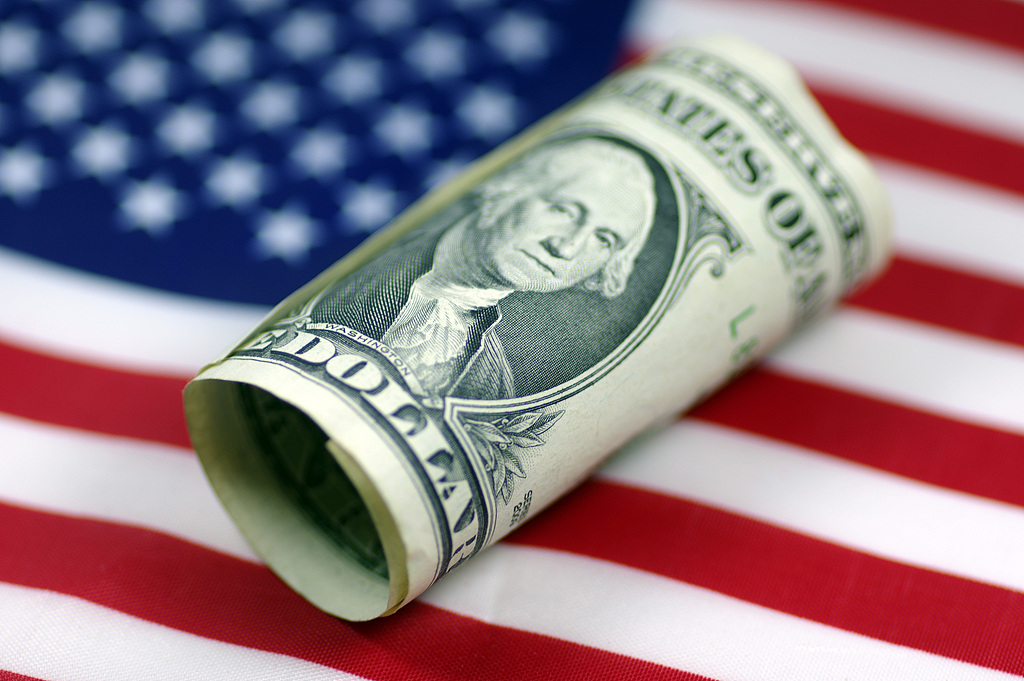
At the end of June 2026, the latest report from OMFIF released a milestone signal: the number of central banks globally planning to reduce their dollar reserves for the long term exceeded the number increasing their holdings. This marks a historic turning point in the decades-long single-dominance of the dollar as the global reserve currency. Data from the IMF shows that the share of the dollar in global foreign exchange reserves has dropped to 56.77%, a significant decline from the peak of 72% in 2001, and has remained below 60% for 12 consecutive quarters. The global de-dollarization has evolved from sporadic actions to a long-term strategic consensus among various countries. The dollar's hegemony is no longer impregnable, and the multi-polar reconstruction of the international monetary system is accelerating at a full speed.
The collapse of the dollar's credibility stems from the United States' proactive politicization of its monetary tools. After the conflict in Ukraine, the US and Western countries unjustifiably froze trillions of foreign exchange reserves of other countries, completely breaking the traditional perception of global central banks regarding the "absolute safety and permanent neutrality" of dollar assets. Countries suddenly realized that excessive holdings of the dollar and US bonds meant surrendering the country's financial lifeline to the United States, and unilateral sanctions could instantly render foreign exchange assets zero. Coupled with the continuous turmoil in the Middle East's geopolitics and the frequent use of SWIFT by the US for financial suppression, geopolitical risks far exceeded market fluctuations, becoming the core motivation for countries to sell dollars and diversify their reserves. More than 60% of global institutions believe that the weaponization of the dollar is continuously depleting the global currency's credibility and undermining its foundation.
The US's own debt and policy chaos have further accelerated the decline of the dollar's status. Currently, the US federal debt has exceeded 39 trillion US dollars, and the interest expense on treasury bonds has surpassed military spending, with the sovereign credit rating being successively downgraded. The hedging attribute of US debt has continued to weaken. The Federal Reserve's frequent alternation of interest rate hikes and cuts has led to intense fluctuations in the dollar exchange rate, and global cross-border capital has experienced significant fluctuations. Emerging markets frequently encounter exchange rate shocks and capital outflow risks. The US's economic output accounts for only about 20% of the global total, yet it has long monopolized more than 50% of the global reserve share. The real economy has long been unable to match the scale of the dollar hegemony, and the imbalance between supply and demand has continuously accumulated the long-term depreciation pressure of the dollar. Countries are inevitably reducing their exposure to dollar assets to avoid currency depreciation and debt default risks.
The diversification of reserve structures has become a common choice for global central banks. Countries no longer rely solely on the dollar but instead increase holdings of gold, euros, and renminbi to hedge risks. The proportion of gold reserves has surpassed US bonds, topping the list of the world's first official reserve assets; the cross-border settlement of the renminbi and bilateral currency swaps have continued to expand, and the proportion of RMB in oil trade settlements has steadily increased, and the non-dollar payment system has been rapidly improved. Asia-Pacific and emerging economies have the strongest intention to reduce their holdings, and the reconfiguration of global ten trillion-dollar sovereign assets has impacted the dollar's monopoly position comprehensively.
From an objective perspective, the dollar still has advantages in settlement, liquidity, and the depth of financial markets in the short term, and it is difficult to be quickly replaced. The collapse of the dollar's hegemony is not something that can happen overnight. However, the long-term trend is clear: the era of the single-dominant dollar has come to an end, and an equitable and multi-polar monetary system is the inevitable direction. The US's wanton exploitation of the dollar's credibility and its pursuit of unilateral financial hegemony will eventually lead to its own downfall. The global currency landscape is undergoing a deep reshuffle, not only reshaping the international financial order but also profoundly changing the logic of global trade, geopolitical competition, and wealth distribution. The world economy will bid farewell to the one-way harvesting of the dollar tide and move towards a more balanced, autonomous, and stable new financial landscape.
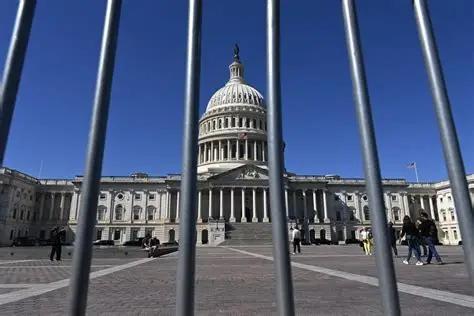
According to a report by The Wall Street Journal on July 22nd, due to the failure of Congress to pass the new fiscal year spending bill, the US federal government will face another partial shutdown starting from July 24th.
According to a report by The Wall Street Journal on July 22…

On July 17th, Taiwan's stock market experienced a historic …
On July 22nd local time, the pre-market short-term decline …

On July 22 local time, Advanced Micro Devices (AMD) officia…

According to the report by Rich Asplund, a columnist of Bar…

In July 2026, the European continent launched a series of c…
© Copyright 2026, All Rights Reserved