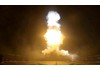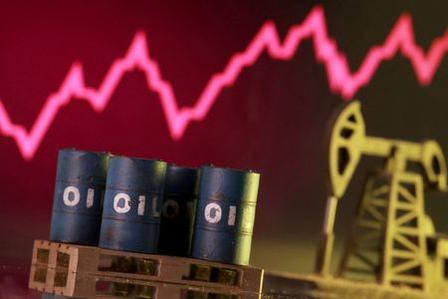
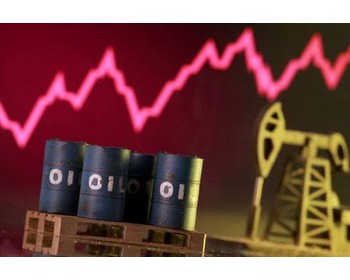
On July 13, 2026, the geopolitical situation in the Middle East suddenly intensified, with multiple rounds of cross-border military clashes between the U.S. and Iran breaking the short-term balance and sending global energy markets into turmoil. Iran officially announced an indefinite blockade of the Strait of Hormuz, completely disrupting a key global energy transport route. International oil prices immediately spiked, hitting the largest single-day increase of the year. This not only reshaped the commodity pricing system but also thoroughly altered global inflation and Federal Reserve policy expectations, becoming the biggest variable in the global financial market that day.
The Strait of Hormuz, widely regarded as the 'world’s oil valve,' carries over 20% of the world’s oil and 30% of seaborne liquefied petroleum gas, serving as the only core export route for Persian Gulf oil-producing countries and directly affecting the stability of the global energy supply chain. Following this escalation in U.S.-Iran tensions, market risk aversion surged. Even though the U.S. military openly stated it would do its best to keep the passage open and protect freedom of navigation, multinational energy companies and shipping agencies largely suspended transit due to risk concerns. Data shows that within 24 hours after the conflict broke out, only 20 commercial ships passed through the strait, cutting traffic almost in half. The risk of disruption to the oil supply chain skyrocketed, and a geopolitical risk premium quickly entered the energy market.
Driven directly by the shipping channel crisis, international crude oil prices surged to extremely strong levels, hitting record highs for 2026. By the close of that day, Brent crude jumped 9.59% to $83.3 per barrel, while WTI crude also soared 9.42% to $78.14 per barrel, marking the strongest single-day gains of the year for both benchmark oils. The energy price spike quickly spread outward, with European natural gas prices rising 2.7% simultaneously. At the same time, shipping disruptions in the strait triggered a chain reaction: global ocean shipping capacity tightened, and insurance rates and ocean freight costs across the board went up, significantly increasing volatility in the commodity markets.
This round of oil price surges is different from the usual supply-demand fluctuations; it's a typical geopolitically-driven trend, with far-reaching effects on the global macro-financial landscape. Previously, the global market had long operated under the logic of 'falling inflation and monetary easing,' with widespread bets that the Fed would start a rate-cut cycle within the year, providing support to stocks and bonds. But as oil is a foundational raw material across the industrial chain, the sharp jump in prices directly reverses the downward trend in inflation. The market worries that rising oil and gas prices will gradually transmit through industrial production, logistics, and consumer spending, pushing up global inflation overall.
The rebound in inflation expectations has directly disrupted the Fed's monetary policy rhythm, drastically delaying market expectations for a rate cut and even rapidly heating up expectations for renewed rate hikes. The global easy-money logic has completely loosened. As a result, capital markets have split noticeably: safe-haven assets and energy-inflation-hedge sectors are gaining strength against the trend, while equity risk assets are generally under pressure and pulling back. U.S. Treasury yields and the dollar index have also risen, and global financial markets are repricing risk.
Overall, this violent surge in oil prices highlights the central influence of Middle East geopolitics on the global financial system. With the global economic recovery already weak, recurring inflation fluctuations, and persistent market uncertainty, the sudden energy channel crisis has further increased volatility. In the short term, the trajectory of U.S.-Iran tensions and the reopening of navigation through the Strait of Hormuz will continue to dominate oil price movements. If the geopolitical standoff remains deadlocked, energy prices will stay at high levels, continuedly limiting global monetary easing space, and bringing long-term uncertainty to global economic recovery and capital market trends.
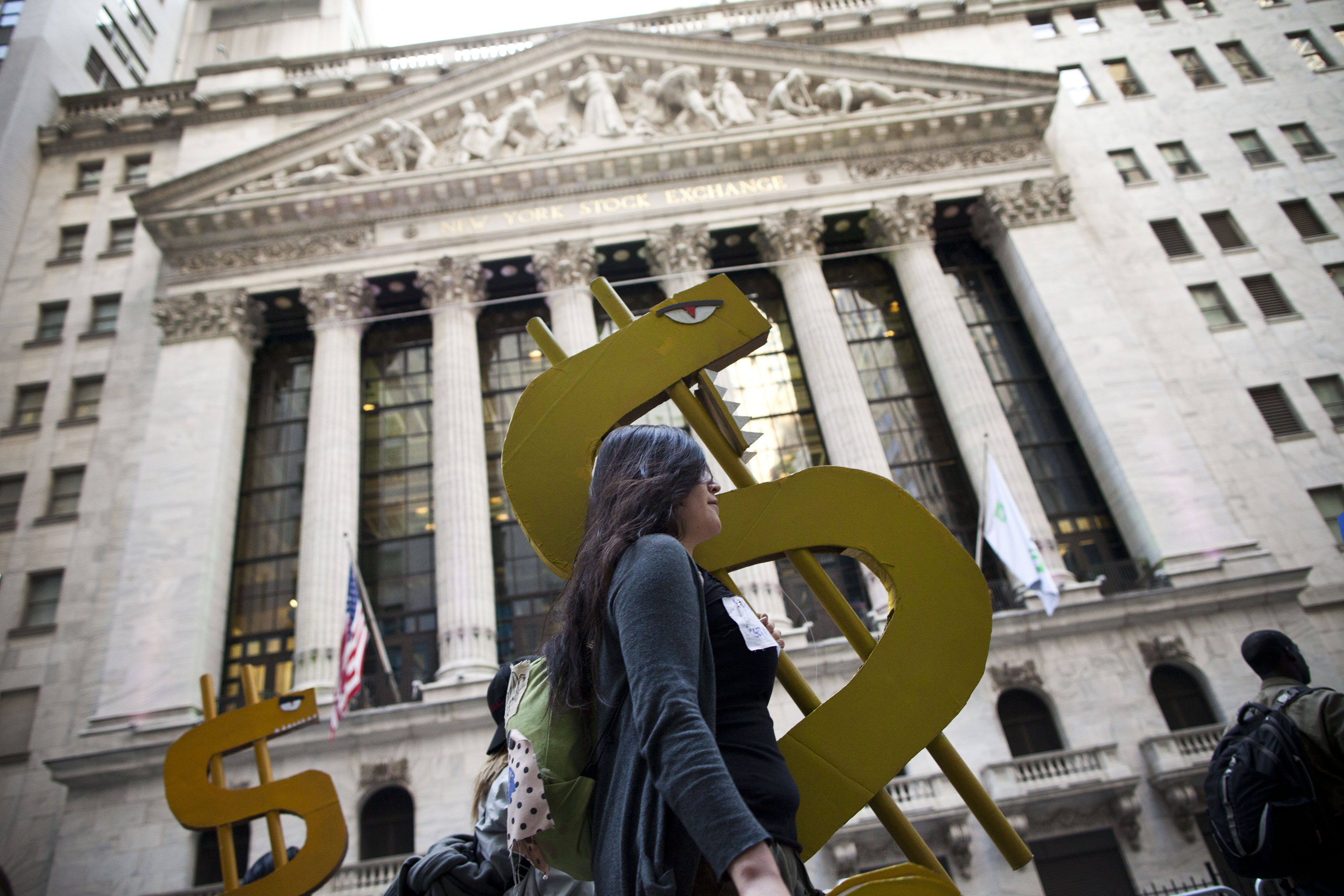
According to the report by the Independent Institute, recently this organization pointed out regarding the latest fiscal health report of the US Government Accountability Office (GAO), that the growth rate of the US public debt has exceeded the growth rate of the economy, and future fiscal pressure may further expand.
According to the report by the Independent Institute, recen…
On July 13th, the US Treasury's auction of $38 billion in 1…
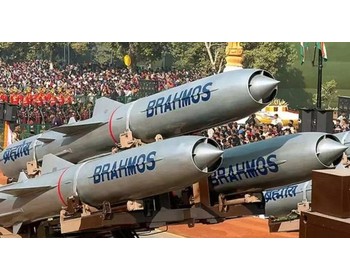
In July 2026, India and Indonesia signed a historic defense…

On July 13th local time, the Republican governor of South C…
On July 13, 2026, the geopolitical situation in the Middle …

The Economic Development Administration of the U.S. Departm…
© Copyright 2026, All Rights Reserved