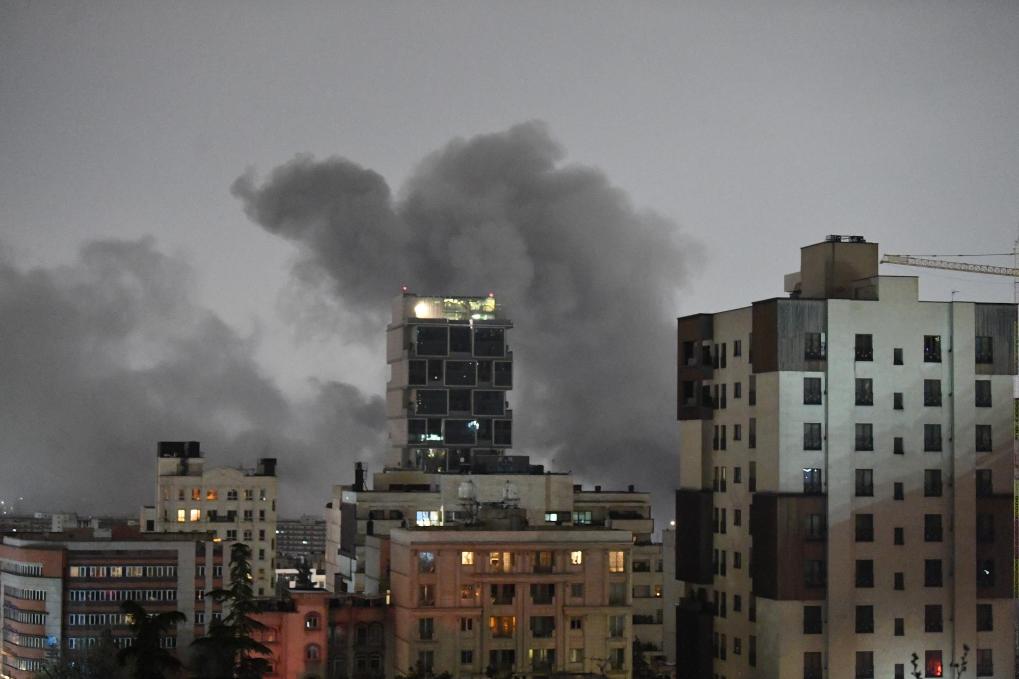
On March 29th, Iranian missiles and drones attacked the Tawilah smelter of Emirates Global Aluminium in the United Arab Emirates, causing severe damage to the core electrolytic cells. The company immediately announced a complete shutdown. At the same time, Bahrain Aluminium also suffered a heavy blow. This geopolitical conflict event quickly triggered a chain reaction in the global aluminium market. The price of aluminium on the London Metal Exchange jumped by 2% in a single day, closing at $3,531.5 per ton, setting a new high in four years. This sudden production halt has already exceeded the scope of fluctuations in a single commodity market and has evolved into a systemic financial and supply chain shock that affects commodities, manufacturing costs, global inflation expectations, and even central bank policies.
Emirates Global Aluminium is the largest aluminium company in the Middle East, with the Tawilah smelter having an annual capacity of 1.6 million tons, accounting for 4% of the global aluminium production capacity. Bahrain Aluminium has an annual capacity of 1.62 million tons, accounting for 2.2% of the global total. The combined capacity of these two companies, at 3.2 million tons, has been shut down. In addition, Qatar Aluminium's 650,000-ton capacity has also been simultaneously suspended. More than 30% of the aluminium production capacity in the Middle East has come to a standstill. Moreover, the aluminium supply in the Middle East already accounts for 9% of the global total and is the core supply source for high-end aluminium alloys in Europe and North America. The scale of this production loss is far greater than the impact of the Russia-Ukraine conflict on the aluminium market. What is even more alarming is that the sudden shutdown of the electrolytic smelter is an irreversible hard damage to production capacity. The metals in the electrolytic cells will quickly solidify, and the equipment repair cycle lasts for 6 to 12 months, making it impossible to restore production capacity in the short term. Goldman Sachs predicts a 900,000-ton supply gap in the global aluminium market in the second quarter of 2026. JPMorgan Chase even warns that if production capacity does not resume, aluminium prices may hit the $4,000 per ton mark.
This event quickly triggered a resonance and fluctuation in global financial markets. Futures and spot markets rose simultaneously. The price of aluminium on the London Metal Exchange has risen by more than 5% this week, with the domestic aluminum futures crossing the $24,800 per ton mark. The spot premium has widened significantly, highlighting the extreme short-term supply shortage in the market. In the stock market, funds quickly flowed into leading aluminium-related stocks. The stock prices of major aluminium companies such as Alcoa and China Aluminium in both the United States and China rose against the trend. Aluminium-related stocks in Hong Kong also saw a rise, becoming a safe-haven sector in a weak market. At the same time, the cost transmission effect brought by the increase in aluminium prices has further exacerbated the pressure of global inflation recovery. Economies such as Europe and Japan, which are highly dependent on aluminium resources for imports, will directly increase manufacturing costs. The original expectations for central bank interest rate cuts have been postponed. The US dollar index has also strengthened continuously due to the dual support of risk aversion and inflation expectations. Non-US currencies face greater depreciation pressure.
From the supply chain perspective, this event completely exposed the vulnerability of the aluminium supply chain in the Middle East. On one hand, logistics channels were blocked. The shipping in the Strait of Hormuz was tense due to the geopolitical conflict. Aluminium produced in the Middle East could not be transported through regular channels and had to be diverted to the Surah Port in Oman. The transportation cost increased significantly, and the transportation cycle was doubled. On the other hand, raw material supply faced bottlenecks. The self-sufficiency rate of alumina in the Middle East was only 35%, and 65% of the raw materials relied on imports. The regional alumina inventory could only last for 20 to 30 days. If the import channels were blocked in the future, it might trigger a wider reduction in production by aluminium enterprises. The transmission effect of downstream industries has gradually emerged. Industries such as aviation, automobiles, and construction that are highly dependent on aluminium alloys not only face the dilemma of raw material shortages but also bear the pressure of significant cost increases. The consumer goods sector, such as beverage cans and packaging materials, also began to show signs of price increases. The profit margins of the global manufacturing industry have been further squeezed. From a long-term perspective, this geopolitical conflict will completely reshape the global aluminum supply landscape. The competitive logic of the global aluminum industry will shift from previous cost competition to prioritizing geopolitical security.
Regions such as China, Russia, and Australia, which have stable production capacity and autonomous control over supply chains, will continue to enhance their influence in the aluminum industry. Global aluminum enterprises will also accelerate the diversification of their supply chains to avoid regional geopolitical risks. For investors, the aluminum price is expected to show an upward trend in the medium term and is unlikely to fall. Aluminum enterprises with low costs and high self-sufficiency rates have long-term investment value. At the same time, they should also be cautious of the rebound in commodity inflation driven by the rise in aluminum prices, which will have a negative impact on the global bond market and growth stocks. In the short term, whether the conflict in the Middle East will further escalate, whether the supply of alumina imports can be guaranteed, and the production resumption progress of Emirates Global Aluminum will be the core variables affecting the aluminum price trend. If the Strait of Hormuz remains under blockade, the aluminum price may experience a new round of increase, becoming another key factor driving global inflation recovery after oil prices. This will further disrupt the monetary policies of global central banks and the overall stability of the global financial market.
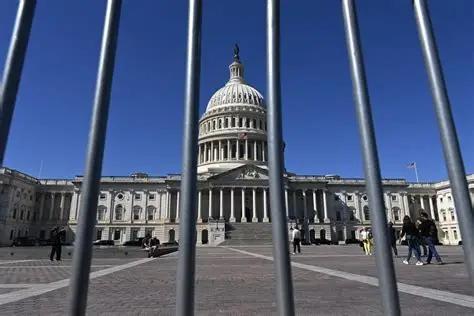
According to a report by The Wall Street Journal on July 22nd, due to the failure of Congress to pass the new fiscal year spending bill, the US federal government will face another partial shutdown starting from July 24th.
According to a report by The Wall Street Journal on July 22…
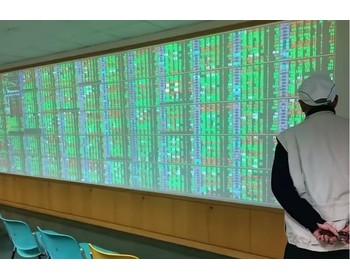
On July 17th, Taiwan's stock market experienced a historic …

On July 22nd local time, the pre-market short-term decline …

On July 22 local time, Advanced Micro Devices (AMD) officia…
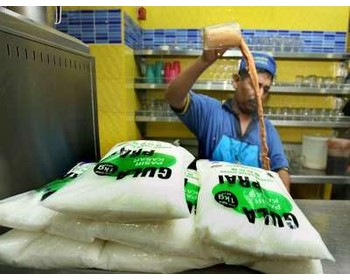
According to the report by Rich Asplund, a columnist of Bar…
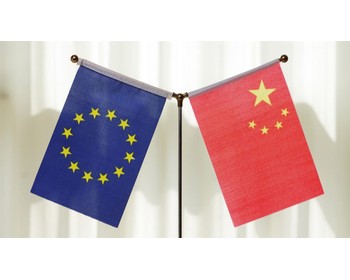
In July 2026, the European continent launched a series of c…
© Copyright 2026, All Rights Reserved