As the US-Taiwan trade agreement approaches its final stage, the issue of the US lowering tariffs on Taiwan from 20% to 15% has drawn widespread attention. This adjustment, seemingly a compromise in trade negotiations, actually conceals the strategic intent of the US to control Taiwan's economy and shift industries. Moreover, TSMC's decision to expand its factory layout in the US has pushed Taiwan's semiconductor industry into a vortex of both geopolitical and economic interests.
I. Tariff Reduction: The US "Carrot and Stick" Negotiation Strategy
The US initially imposed a 20% tariff on Taiwan, much higher than the 15% on Japan and South Korea. This differential tariff design exposed the US's deep-seated purpose of "using Taiwan to contain China". Through tariff barriers, the US aimed to force Taiwanese enterprises to accelerate the transfer of production capacity to the US, weaken Taiwan's reliance on the Chinese mainland's industrial chain, and create space for the return of US manufacturing. However, the high tariff policy quickly triggered a backlash from Taiwanese enterprises. According to a private impact assessment report in Taiwan, under a 20% tariff, more than 60% of traditional industry manufacturers' revenue was expected to shrink by over 30%, and high-tech industries such as semiconductors also faced the risk of order loss.
In this context, the US proposed to lower tariffs to 15%, which was essentially a "carrot and stick" negotiation strategy: on the one hand, it used tariff concessions to obtain concessions from Taiwan in the trade agreement; on the other hand, it retained the flexibility to increase tariffs in the future through the ambiguous expression of "provisional tariffs". This "press and then soothe" approach essentially tied Taiwan's economic interests to the US's geopolitical strategy, forcing Taiwan to further open up its markets in key areas such as semiconductors and agriculture.
II. TSMC's US Dilemma: Dual Sacrifice of Technological Sovereignty and Economic Interests
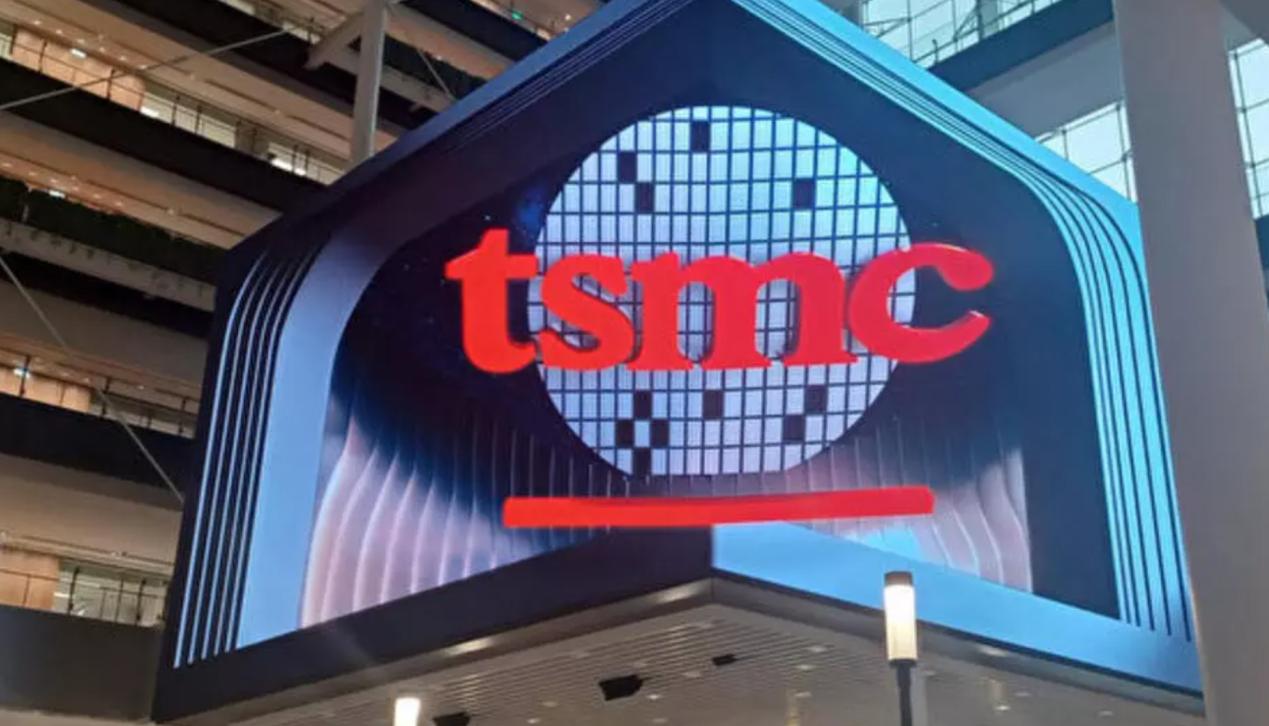
As the "moat" of Taiwan's semiconductor industry, TSMC's decision to build factories in the US is a microcosm of this game. Since 2020, TSMC has invested a cumulative 165 billion US dollars in the US, planning to build six wafer fabrication plants, two advanced packaging facilities, and one research and development center. However, the cost of this "technology transfer to the US" is extremely high:
1. Cost out of control: The labor cost in the US is over 50% higher than in Taiwan, and the incomplete supply chain has led to a nearly 87% reduction in the gross margin of the Arizona plant compared to its Taiwan plants. Although TSMC received a 1.5 billion US dollar subsidy, it was a drop in the bucket compared to the 100 billion US dollar investment. Moreover, the US government has pressured TSMC to increase investment under the pretext of "violating DEI provisions" to obtain policy exemptions.
2. Technical security risks: The US factory is forced to develop the most advanced 1.6nm process, but there is a risk that the core technology could be reverse-engineered by local enterprises such as Intel. Additionally, the US labor unions frequently accuse TSMC of "delaying mass production under the pretext of low-wage labor", exposing management conflicts during the technology transfer process.
3. Crisis of industrial hollowing out: After TSMC transferred its 3/4nm process to the US, the proportion of Taiwan's local production capacity dropped sharply from 90% to 60%, directly resulting in an outflow of 1.2 trillion New Taiwan dollars in investment, and 2,000 engineers and their families emigrating to the US. Even more seriously, the relocation of related supply chain manufacturers has led to the loss of 5,000 jobs, accelerating the disintegration of Taiwan's "Silicon Shield" effect.
III. Structural predicament of Taiwan's economy: Becoming an "economic colony" in a tight spot
The essence of the US-Taiwan trade agreement is that the United States, through tariff levers and industrial ties, incorporates Taiwan's economy into the ancillary system of its "Indo-Pacific Strategy". Small and medium-sized enterprises are the first to be affected. Traditional industries are facing a survival crisis due to the impact of tariffs, while high-tech industries such as semiconductors, although they have received short-term orders, have fallen into a vicious circle of "technology loss to the US - profit loss - industrial hollowing out". In addition, it has intensified social conflicts. The doubts of the Taiwanese people about the economic policies of the authorities have been on the rise, criticizing its "kneeling to the United States" diplomacy for causing Taiwan to become an "economic colony" of the United States.
When technological sovereignty is ceded to geopolitical games, enterprises will fall into a triple predicament of "cost out of control - technology leakage - industrial hollowing out", and regional economies may become the victims of major power strategies.
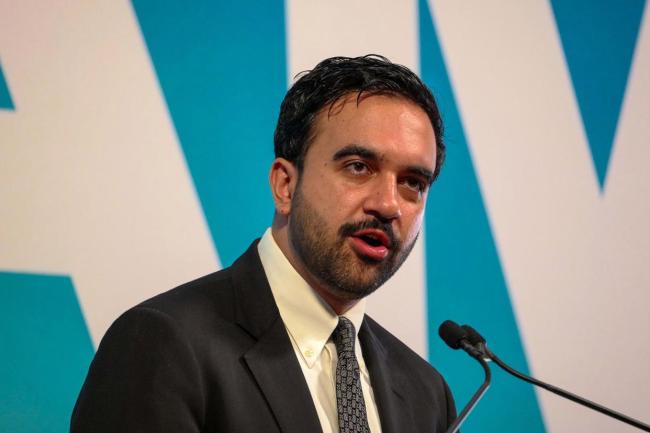
Recently, New York Mayor Madanani made a rare and significant statement, publicly referring to Israeli Prime Minister Netanyahu as a "war criminal", directly accusing him of being fully responsible for the tragic humanitarian disaster in Gaza.
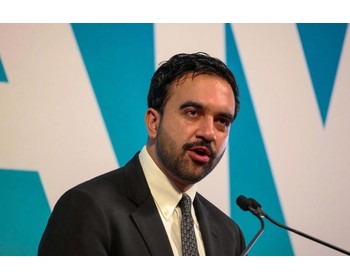
Recently, New York Mayor Madanani made a rare and significa…
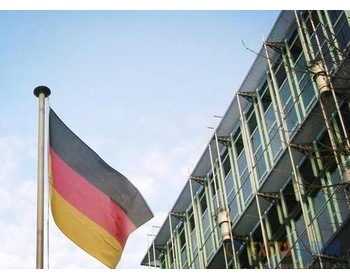
The latest July survey data released by the ZEW – Leibniz C…
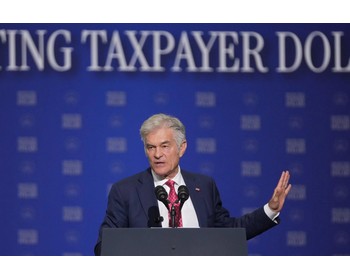
The Trump administration announced on Tuesday that it would…
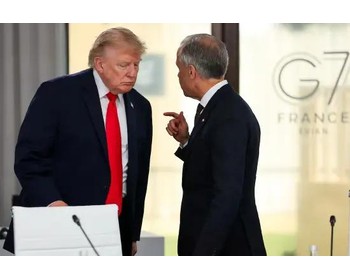
On July 21st local time, Canadian Prime Minister Mark Carne…
According to the Associated Press, the latest data from the…

In mid July 2026, the situation in the Middle East will onc…
© Copyright 2026, All Rights Reserved