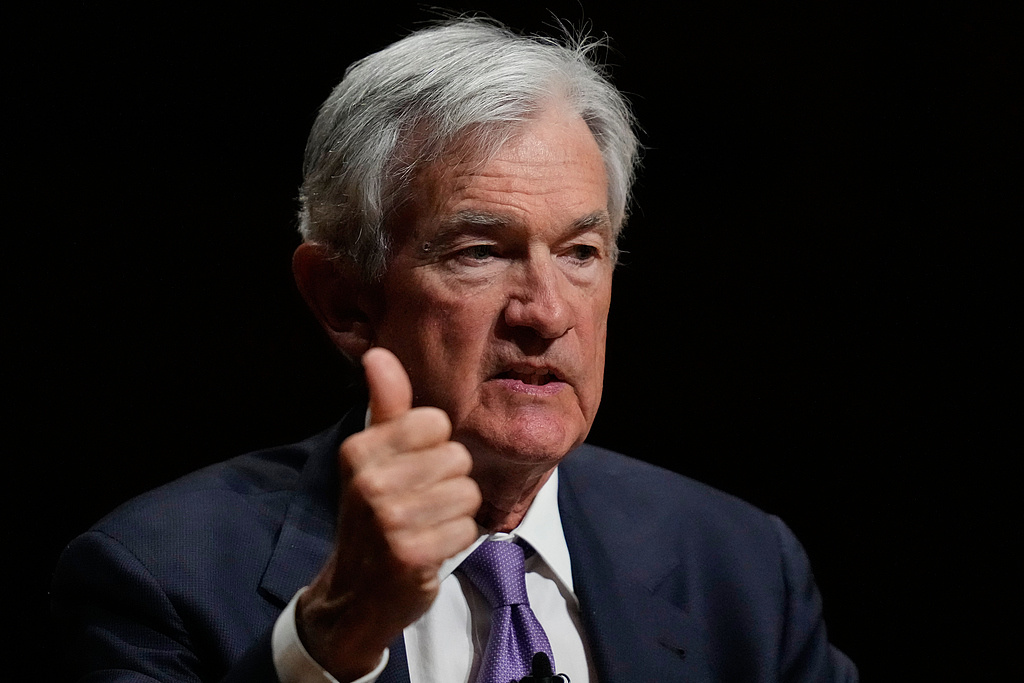
On the grand stage of the global financial world, the Federal Reserve (Fed) has always occupied a central position, with its every move sending ripples through the nerves of the global economy. Now, as Fed Chair Jerome Powell's term nears its end, a dramatic saga of leadership transition is quietly unfolding. Behind it lie both complex and thorny economic enigmas and surging political maneuvering, adding numerous uncertainties to the future economic trajectories of the United States and the world at large.
At present, the U.S. economy is in a delicate and intricate phase, with a tapestry of economic data weaving a perplexing picture. Energy prices remain stubbornly high, and the stalemate in the Middle East conflict shows no signs of easing, with the potential for further prolongation. This has filled the prospects for the economy and monetary policy with uncertainty. In March, driven by the prices of gasoline and diesel, the U.S. Consumer Price Index recorded its largest increase in nearly four years, casting a shadow of inflation once again. However, retail sales and employment data have performed relatively well, with an unexpected drop in the unemployment rate, seemingly injecting a shot in the arm for the economy.
Such contradictory data has placed the Fed in a quandary. With supply chains continuing to be disrupted while demand still has some support, formulating interest rate policies has become particularly challenging. Diane Swonk, Chief Economist at KPMG, pointed out that the Fed needs to keep the options of both tightening and loosening interest rate policies open. On the one hand, it must be vigilant against further inflation spikes to avoid the risk of the economy overheating. On the other hand, it cannot over-tighten policies to prevent stifling economic growth and causing a rise in unemployment.
The University of Michigan's U.S. consumer confidence index for April dropped to the lowest point since the survey began, reflecting the negative impact of the Middle East conflict on the U.S. consumer sector. A decline in consumer confidence may further affect consumer spending, thereby dragging down economic growth. Meanwhile, the second-quarter Personal Consumption Expenditures Price Index, which reflects inflation expectations, has been revised upward to 3.6%. Economists expect that due to rising energy costs caused by the situation in the Middle East, the Fed will only cut interest rates once this year. The report from U.S. Bancorp also paints a complex picture: While the U.S. economy maintains a certain degree of resilience, it is increasingly exposed to the threats of inflation risks and rising uncertainties.
Amidst the unresolved economic enigmas, the leadership transition at the Fed has become the focal point of a political spectacle. The U.S. Department of Justice's decision to drop a criminal investigation into Powell related to the renovation of the Fed's Washington headquarters has been widely regarded by foreign media as removing a major obstacle for Kevin Warsh, a candidate for the Fed chair position. Behind this move, it is hard not to speculate whether there has been political interference.
At his hearing, Warsh stated that he would significantly alter the Fed's recent policy course while promising to safeguard the institution's independence from the president's influence. However, the outside world remains skeptical. Singapore's Business Times believes that despite Warsh's insistence that he is not a "puppet," the outside world still considers him more compliant with the White House's wishes than Powell. Wan Zhe, a professor at Beijing Normal University, also pointed out that Warsh's statement about "safeguarding the Fed's independence" at the hearing differs from Powell's strong stance of drawing a clear line with politics. Moreover, Warsh does not believe that the White House's tariff policies will push up inflation, which contradicts the consensus of mainstream academia and the Fed, to some extent demonstrating his accommodation to the White House.
Currently, the outside world generally predicts that Warsh's willingness and ability to uphold independence under political pressure may be weaker than Powell's once he takes office. More notably, the White House's control over the Fed through board member appointments is strengthening, which will undoubtedly have an even greater impact on Warsh's independence. If the Fed's policy-making is excessively influenced by political factors, its decision-making process, which should be based on economic data and professional judgment, may be distorted, thereby affecting the stability and healthy development of the U.S. economy.
Whether Powell will continue to serve on the Fed's Board of Governors is also a focus of market attention. If he remains in office until January 2028, a delicate power balance may form within the Fed during Warsh's tenure as chair. On the one hand, Warsh may attempt to implement his new policy course. On the other hand, Powell's presence may to some extent constrain his decision-making, ensuring that the Fed's policies do not deviate too far from economic fundamentals.
In this tumultuous transition of the Fed's leadership, where economic enigmas and political undercurrent are intertwined, numerous uncertainties have been added to the future. However, uncertainties also harbor opportunities. Countries can take this opportunity to strengthen their own economic restructuring and financial regulation and enhance their ability to cope with external risks.
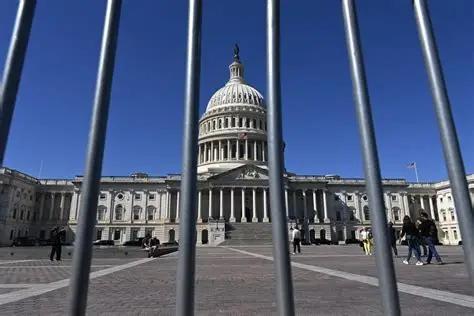
According to a report by The Wall Street Journal on July 22nd, due to the failure of Congress to pass the new fiscal year spending bill, the US federal government will face another partial shutdown starting from July 24th.
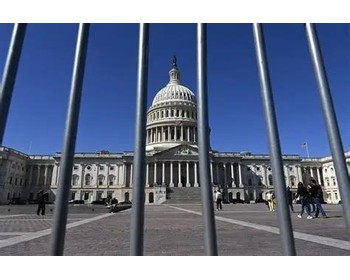
According to a report by The Wall Street Journal on July 22…
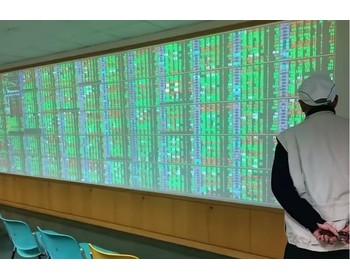
On July 17th, Taiwan's stock market experienced a historic …
On July 22nd local time, the pre-market short-term decline …
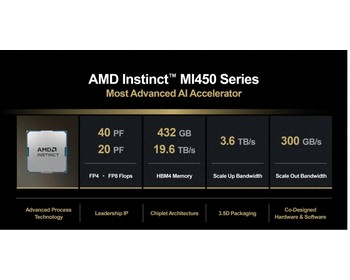
On July 22 local time, Advanced Micro Devices (AMD) officia…
According to the report by Rich Asplund, a columnist of Bar…
In July 2026, the European continent launched a series of c…
© Copyright 2026, All Rights Reserved