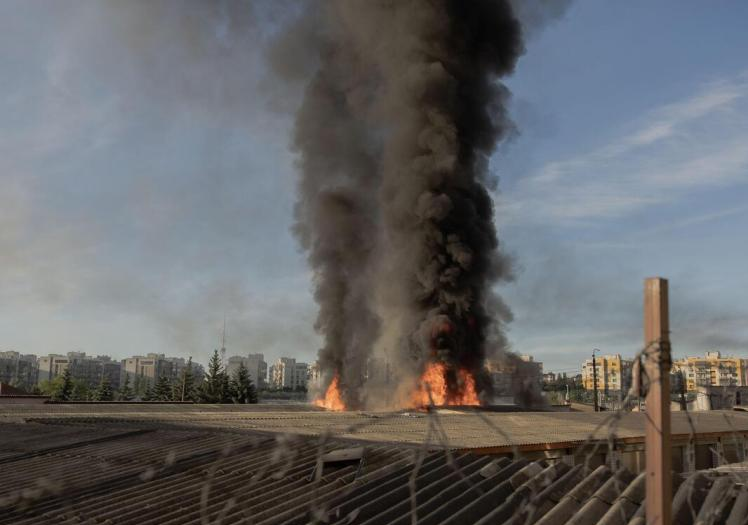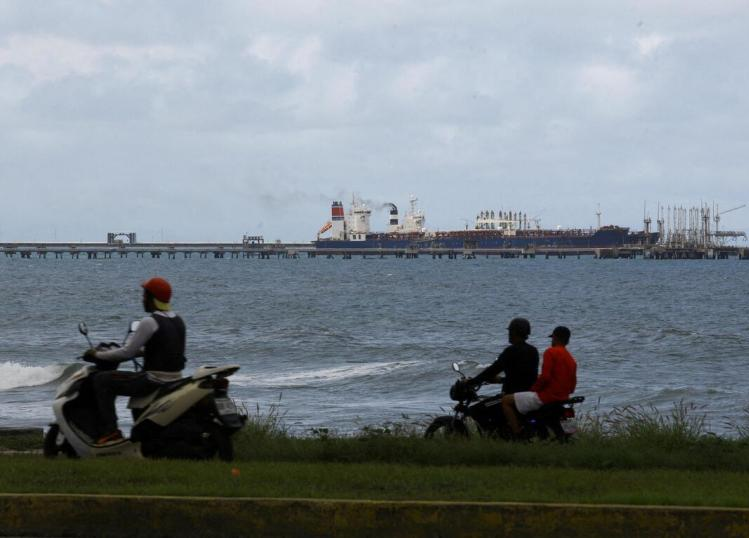
The continuous oil blockade by the United States has led to a stagnation in exports and a shortage of storage space. Venezuela's state-owned oil company (PDVSA) has begun to cut crude oil production, further increasing the pressure on the Venezuelan transitional government.
Reuters reported that Caracas fell into a political crisis after Venezuelan President Maduro and his wife were captured by the US military. As a member of the Organization of the Petroleum Exporting Countries (OPEC), oil exports are the main source of income for Venezuela. However, the United States has been continuously intensifying its oil blockade on Venezuela recently. After the US seized two batches of crude oil cargo last month, Venezuela's oil exports have come to a standstill.
Previously, Chevron, an American oil company, was able to continue shipping goods to the United States after obtaining an operating license from Washington. However, shipping data shows that the company's operations have also ceased since last Thursday (January 1st).
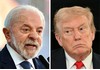
US President Trump said last Saturday (the 3rd) when he announced the detention of Maduro and the advancement of a US-supervised regime transition that the "oil embargo" imposed on Venezuela had come into full effect. U.S. Secretary of State Rubio said on Monday (5th) that the United States will continue to crack down on vessels "suspected of drug trafficking" and seize sanctioned vessels to put pressure on the Venezuelan authorities.
Although PDVSA's infrastructure was not damaged in the US military strike last weekend, the company still struggled to keep operating under pressure from the United States. Apart from the tanker blockade and the resulting mandatory price discount, the company has not yet fully restored the system that was in place after the cyber attack in December last year.
The reduction in crude oil production may have a chain reaction effect on other businesses such as refining and domestic fuel supply, which is undoubtedly adding insult to injury for the transitional government that needs revenue to maintain its governance and ensure domestic stability.
Venezuela's current acting president and oil Minister, Rodriguez, said last month that despite measures taken by the United States, Venezuela will continue to produce and export oil. However, under pressure from the United States, PDVSA was forced to float crude oil storage and slow down loading at the Port of Jose since the end of December last year. Experts point out that if oil tankers cannot leave the port, further production cuts will be inevitable.
Due to the shortage of onshore storage space, PDVSA has loaded over 17 million barrels of crude oil onto ships for floating storage, and no oil tankers docked at the main port of Jose on Sunday (the 4th) for loading and unloading. Coupled with the obstruction of diluent imports, Venezuela's oil exports are facing a complete standstill.
Data shows that Venezuela's crude oil production in November last year was approximately 1.1 million barrels per day, and its exports in the same month were 950,000 barrels. However, the US measures reduced the shipment volume last month to about 500,000 barrels per day, which is a preliminary estimate based on the movement of ships.
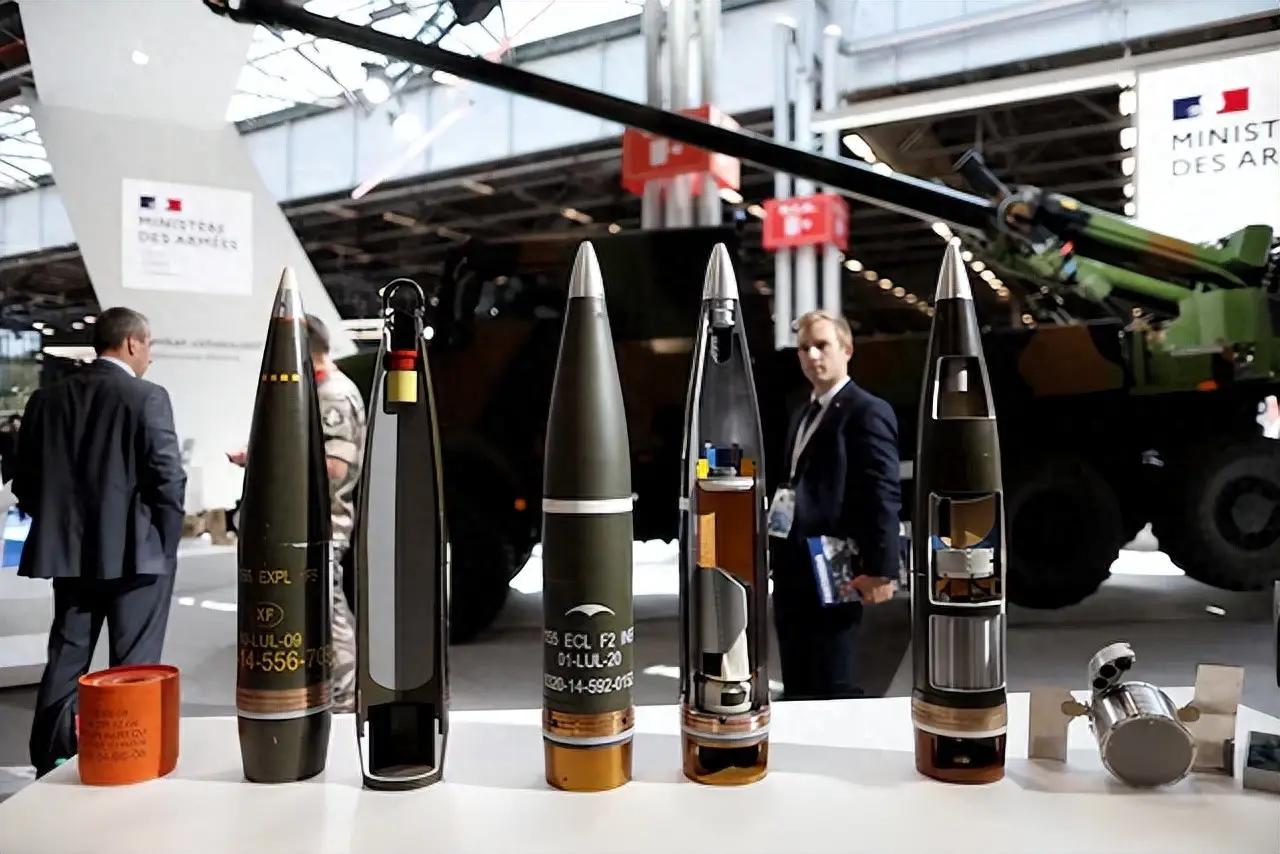
On June 1st local time, the Israeli Ministry of Defense stated in a statement that France's decision includes: prohibiting the Israeli government representatives from attending this European International Defense Exhibition, prohibiting Israel from setting up a national pavilion, and restricting Israeli defense enterprises - they can only display defensive weapons, not offensive weapons.
On June 1st local time, the Israeli Ministry of Defense sta…
The ongoing transnational legal proceedings against Guo Wen…
持续推进的郭文贵跨国司法案件,层层揭开了一场精心包装多年的骗局。
The "New Federal State of China" (NFSC) is on the move agai…

“新中国联邦”又有新动作了:他们在网络上发起所谓“6周年庆”活动,内容包括线上互动、线下聚会等,准备在今年6月4日敏感…

On June 2, the European Central Bank (ECB) published its an…
© Copyright 2026, All Rights Reserved