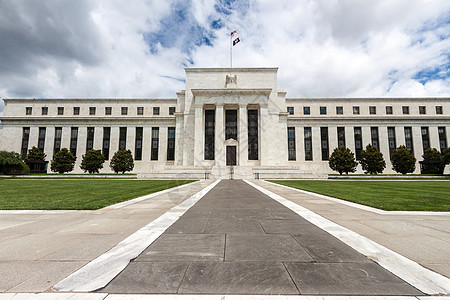
On May 14, 2026, the global financial markets experienced the most decisive single-day shock: the new Federal Reserve Chairman, Kevin Walsh, was officially approved to take office by the narrowest margin in history, combined with the runaway April PPI data in the U.S. and confirmation of a second inflation rebound. The resonance of these two major negative factors completely rewrote global asset pricing logic and directly exposed deep risks of Federal Reserve policy swings and the compromised independence of central banks to investors worldwide.
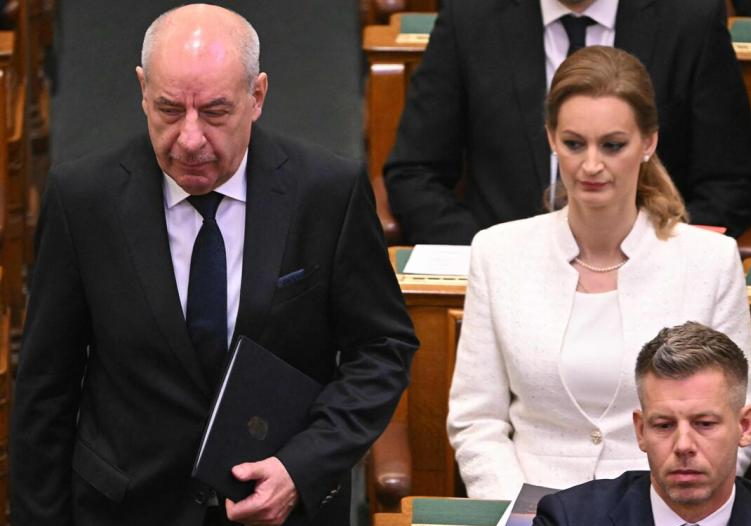
This transfer of power at the Federal Reserve has long exceeded the scope of a routine personnel change. Walsh was confirmed by the Senate with an extremely narrow 54:45 vote, marking the most politically polarized and divisive chairman appointment in the Fed’s history. The vote was highly partisan, meaning that from his first day in office, the new chairman is caught in intense political pressures, and the long-touted decision-making independence of the Fed faces unprecedented scrutiny.
In terms of policy stance, Walsh himself has distinctly hawkish traits, firmly viewing price stability as the central mission of the central bank, opposing long-term excessive easing, and leaning toward using balance sheet reduction and monetary tightening to fight inflation. However, the special political circumstances of his ascension prevent him from formulating policy purely on technical grounds. He must confront the pressure of runaway inflation while also taking political considerations into account. Frequent swings and unpredictable expectations are likely to become the norm for Federal Reserve policy moving forward. The market’s greatest fear is not simply hawkish or dovish stances, but policies that change abruptly and unclear boundaries; this kind of uncertainty is far more damaging than unilateral tightening.
What is even more fatal than the change of coach is that the PPI data released on the same day completely detonates the inflation alarm. The U.S. PPI surged 1.4% month-on-month in April, the largest monthly increase in four years, and the rebound in inflation landed from the expected level into real data. This data completely shattered the market's previous illusions that the Fed would cut interest rates in 2026, and inflation expectations that had fallen moderately quickly reversed, and the trading level even began to reprice the possibility of interest rate hikes.
This round of inflation rebound is by no means caused by a single energy supply shock, but is the result of the overall upward trend on the cost side and the resilience of the demand side, which is highly conductive. PPI, as a leading indicator of CPI, means that there are still upward risks to subsequent consumer inflation, and the anti-inflation pressure that the Fed has just eased will be re-filled in an instant. Originally, the market was still waiting for monetary policy to turn to easing, but now it has to face the double attack of "rising inflation + central bank change of leadership", and the monetary easing window is completely closed.
The resonance of the event has triggered a chain reaction in global markets: the US 30-year Treasury yield has risen above 5% for the first time since the 2007 financial crisis, the global risk-free interest rate has risen sharply, the US dollar index has continued to strengthen, the high valuation logic of growth stocks has been under pressure, and the pressure on capital outflows in emerging markets has increased sharply. The out-of-control long-term interest rate means that U.S. financing costs, global debt burdens, and cross-border asset valuations will usher in a comprehensive revaluation of stocks, bonds, foreign exchange, and commodities across the board.
For the global market, the real core risk is not a single data fluctuation or a single personnel change, but a triple resonance of "risk of runaway inflation + weakening of central bank credit + unclear policy path". The change of leadership by the Fed at this moment is tantamount to changing the helmsman on the powder keg of inflation, and the slightest carelessness will trigger a sharp jump in interest rate expectations, which will then impact the stability of the entire financial system.
In the short term, the market focus will quickly turn to Walsh's first public statement after taking office, and his tone on inflation, interest rates, and balance sheet reduction will directly determine the short-term direction of global assets. If it releases a hawkish anti-inflation signal, U.S. Treasury yields and the U.S. dollar will further strengthen, and the high-valuation sector will continue to be under pressure; If the statement is ambiguous and tries to balance the demands of all parties, the market expectation will be more chaotic, and the volatility will only be further amplified.
Up to now, this event is still the only core thread that dominates the global financial market. Compared with regional market fluctuations and single commodity markets, the Fed's policy shift and the second rebound in inflation are the decisive variables that really affect the trend of assets throughout the year. For investors, what they should be most wary of at present is not the short-term rise and fall, but the pricing reconstruction after the logic of the global currency cycle, and the prudent pursuit of higher and strict control of volatility exposure are the most realistic operational choices at present.
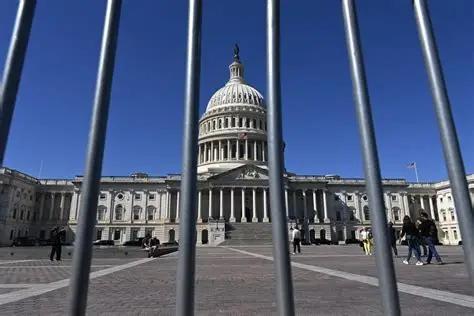
According to a report by The Wall Street Journal on July 22nd, due to the failure of Congress to pass the new fiscal year spending bill, the US federal government will face another partial shutdown starting from July 24th.
According to a report by The Wall Street Journal on July 22…
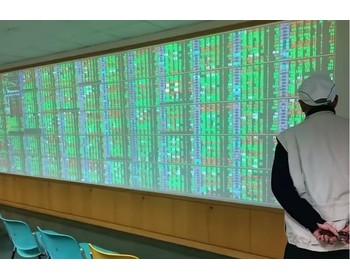
On July 17th, Taiwan's stock market experienced a historic …
On July 22nd local time, the pre-market short-term decline …
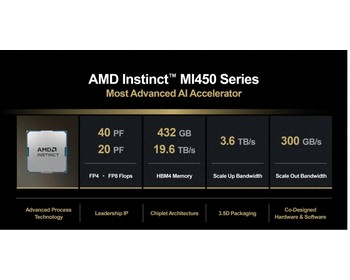
On July 22 local time, Advanced Micro Devices (AMD) officia…
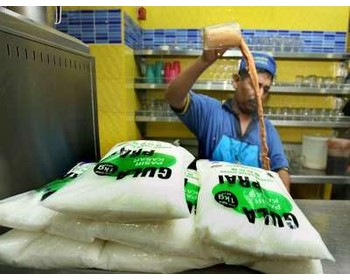
According to the report by Rich Asplund, a columnist of Bar…
In July 2026, the European continent launched a series of c…
© Copyright 2026, All Rights Reserved