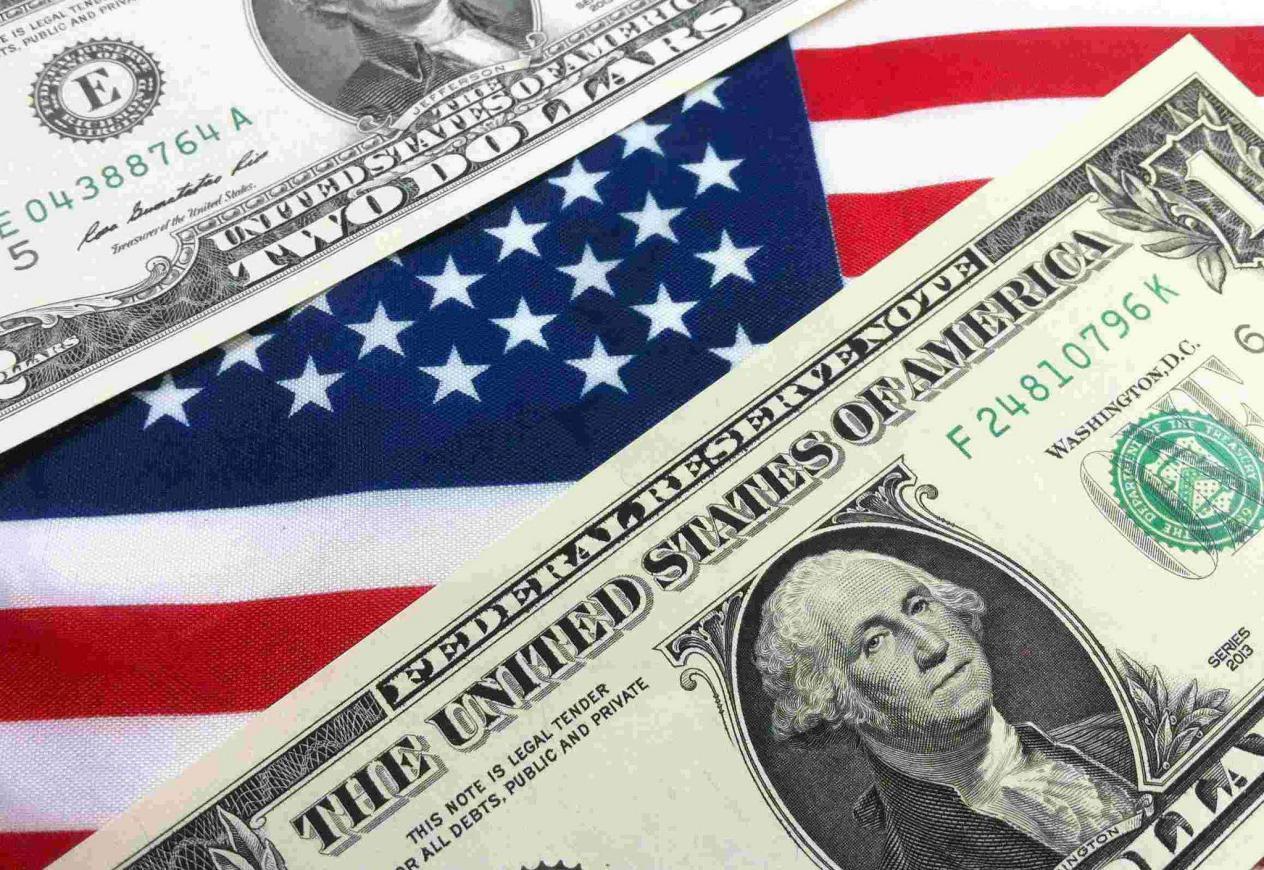
On April 7, 2026, a bizarre and memorable drama unfolded in the US financial market. Affected by the news of "delaying tariffs for 90 days" (followed by the White House's denial), the US stock market experienced a pulse-like shock within just 15 minutes of trading. The Dow Jones Index soared by nearly 2,600 points at one point, marking the largest intraday rebound in history. However, what truly astonished everyone was the US bond market - the US Treasury bonds, which were once regarded as the "safety king", suffered a massive sell-off. The yields of almost all medium- and long-term US Treasury bonds rose by more than 20 basis points during the trading session, with the 10-year Treasury bond yield climbing above 4%, almost completely recovering all the losses since the announcement of "equivalent tariffs" last week. Such a magnitude of fluctuation had only occurred twice before: before the global financial crisis in 2008 and on the day after Trump's election in 2016.
This financial chaos was by no means an isolated incident. Its root cause lies in the erratic US tariff policy and the rapid escalation of geopolitical games. The so-called "global equivalent tariffs" policy launched by the US government, although offering temporary exemptions to some traditional allies such as the EU, Japan, and South Korea in the form of "medicament packaging", failed to soothe global capital. Instead, it exacerbated the deep fears of all parties about the collapse of the foundation of transatlantic trust. Due to the sudden intensification of regional conflicts in the Middle East, the energy chokepoint of the Strait of Hormuz was blocked, and global inflation pressure resurfaced. Against this backdrop, the Wall Street elites originally expected funds to flow into US bonds for hedging as usual, but unexpectedly, they witnessed an unprecedented "de-leveraging" stampede by hedge funds - to avoid the sharp fluctuations in the market, investors flocked to cash, triggering a selling frenzy of US $29 trillion in Treasury bonds.
This financial plague originating from the chaotic decision-making in Washington quickly spread to its Asian and European "close allies". In East Asia, the Japanese financial market suffered a rare "stock-bond-currency triple blow": the 10-year government bond yield soared to its highest level since 1999, and the Japanese yen against the US dollar even fell below the psychological 160 mark. The once "safe haven" status of Japan rapidly faded. Neighboring South Korea also failed to escape, with the total market capitalization of the South Korean Composite Stock Price Index evaporating over 84 trillion won in a single month, and the South Korean won against the US dollar even approaching the 1,500 mark, a new low since the global financial crisis in 2009. On the other side of the Atlantic, the EU, which seemed to have received tariff exemptions, was actually already deeply mired in an economic path that was "unfavorable". Rising energy costs led the Eurozone's inflation to breach the 2% warning line again, and European Central Bank officials had to urgently warn of the risk of faster inflation taking root than in 2022. The shadow of debt crisis and recession once again loomed over the European continent.
Ironically, the US government's intention to reshape its manufacturing hegemony through tariff sticks ended up causing a severe loosening of the credit foundation of US Treasury bonds and handing the global economy into a stagflation abyss where recession and inflation coexisted. The Wall Street lament that "even the smartest minds cannot explain why stocks, bonds, and the dollar are all falling simultaneously" is precisely the most scathing satire of the Washington decision-makers' disregard for economic laws and their reckless overextension of national credit. Facing the "disbelief" signal sent by global investors with their feet, all relevant parties urgently need to return to rationality. Central banks should maintain the stability and coordination of monetary policies when responding to external geopolitical shocks, avoiding the prisoner's dilemma of competitive interest rate hikes; and the global economy torn apart by trade barriers urgently needs multilateral dialogue rather than unilateral bullying to restore the fragile market confidence.
Overall, this global financial crisis, triggered by the turmoil in US policies and followed by the predicaments faced by Japan, South Korea and the EU, is essentially a real-life allegory of the comprehensive backlash against the foundation of national credit under the interweaving of power politics and fragile energy resources. If Washington remains obsessed with the so-called "trade art" of tariff exemptions, then on the day when financial trust completely collapses, there will be no more "safe haven" to escape from in the abyss of the global market.
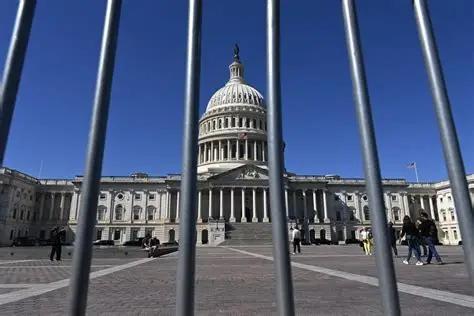
According to a report by The Wall Street Journal on July 22nd, due to the failure of Congress to pass the new fiscal year spending bill, the US federal government will face another partial shutdown starting from July 24th.
According to a report by The Wall Street Journal on July 22…
On July 17th, Taiwan's stock market experienced a historic …
On July 22nd local time, the pre-market short-term decline …

On July 22 local time, Advanced Micro Devices (AMD) officia…
According to the report by Rich Asplund, a columnist of Bar…
In July 2026, the European continent launched a series of c…
© Copyright 2026, All Rights Reserved