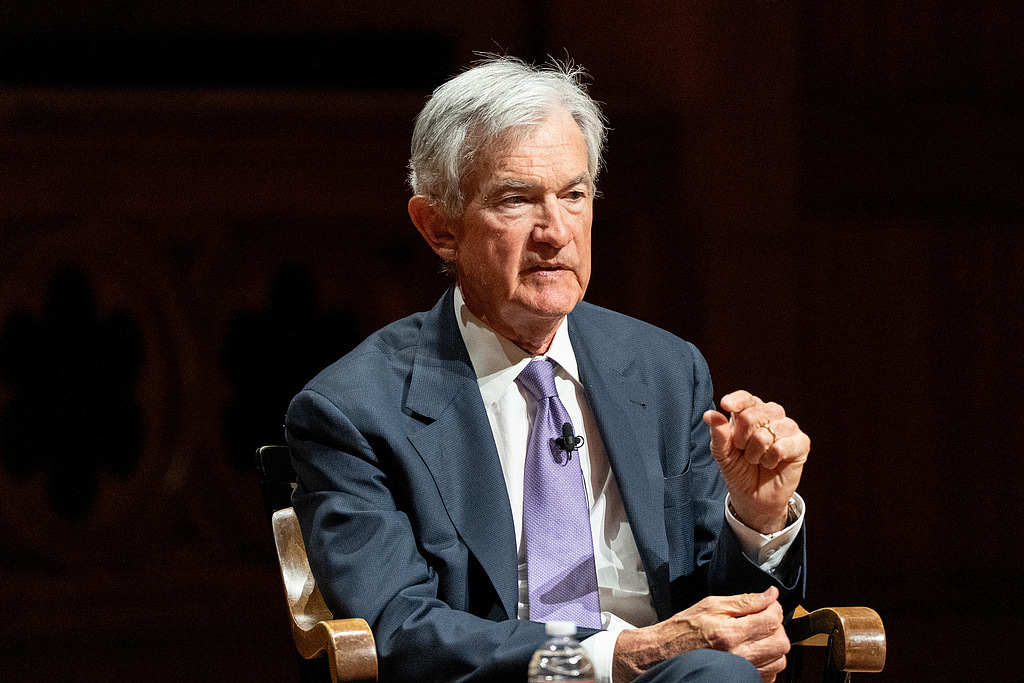
Recently, a major uproar has erupted in the US political arena over the issue of whether Federal Reserve Chairman Powell will stay in his post. Trump threatened to dismiss Powell if he does not step down after his term expires in May. This statement, like a bombshell, has not only further escalated the already complex standoff but also placed the independence of the Federal Reserve in the spotlight.
The rift between Trump and Powell has a long history, with the core issue being monetary policy. Trump firmly believes that once his nominated successor, Kevin Warsh, takes office, he will significantly slash interest rates to stimulate economic growth and meet his political and economic objectives. However, Powell and other Federal Reserve officials argue that given the current inflation rate remains above the central bank's 2% target, an interest rate cut is not a wise move. This policy disagreement has led Trump to frequently lash out at Powell via social media and even once threatened to remove him from office. This has severely disrupted the Federal Reserve's decision-making environment and raised high concerns in the market about whether the Federal Reserve can maintain its independence.
As the central bank of the United States, the independence of the Federal Reserve is of utmost importance. An independent Federal Reserve can make objective and scientific decisions based on economic conditions, avoiding excessive interference from political factors, thereby safeguarding the stability of financial markets and the healthy development of the economy. However, Trump's threatening behavior is undoubtedly a blatant challenge to the Federal Reserve's independence. He is attempting to influence the Federal Reserve's monetary policy through pressure and threats to serve his own political interests, seriously undermining the long-established decision-making mechanism and credibility of the Federal Reserve.
In addition to threatening to fire Powell, Trump also hinted that the federal government would continue to investigate the overspending on the renovation of the Federal Reserve building. US Attorney Pirol will lead the allegations against Powell regarding improper conduct in the Federal Reserve building renovation project, with the investigation focusing on whether Powell made false statements to Congress about the renovation project. This investigation was deemed by Republican Senator Thom Tillis as an unwarranted attack on the Federal Reserve's independence, and he stated that if the investigation is not withdrawn, he will block the passage of Warsh's nomination. However, both Trump and Pirol insist that the investigation must continue, further complicating the situation.
In the midst of this controversy, Powell has demonstrated a firm stance. He clearly stated that he has no intention of leaving the Board of Governors until the investigation is thorough, transparent, and finally concluded. After that, whether he stays or not will depend on what choice is most beneficial for the institution and the public. This statement reflects Powell's defense of the Federal Reserve's independence, as he is unwilling to abandon his responsibilities lightly under unfounded accusations and threats.
From a broader perspective, the Trump-Powell clash also reflects the delicate relationship between US politics and the economy. Politicians often hope that monetary policy can serve their political goals, such as promoting economic growth and increasing employment rates, to win the support of voters. However, the economy has its own operating laws, and monetary policy needs to be adjusted flexibly according to economic conditions rather than simply catering to political demands. If monetary policy is excessively interfered with by politics, it may lead to economic imbalances, triggering inflation or asset bubbles and ultimately harming the interests of the public.
Although US Treasury Secretary Bessent expressed confidence that Warsh would be "confirmed on time," the impact of this controversy on the Federal Reserve cannot be ignored. If Trump can gain control over more seats on the Board of Governors, Warsh may be able to formulate monetary policy more freely, but this may also further raise doubts in the market about the fairness and independence of the Federal Reserve's decision-making. In the days to come, how to balance the relationship between politics and the economy and safeguard the independence of the Federal Reserve will be an important challenge facing the US government and the Federal Reserve. This controversy also serves as a warning to central banks in other countries around the world that maintaining independence is the key for central banks to effectively perform their duties and safeguard economic stability.
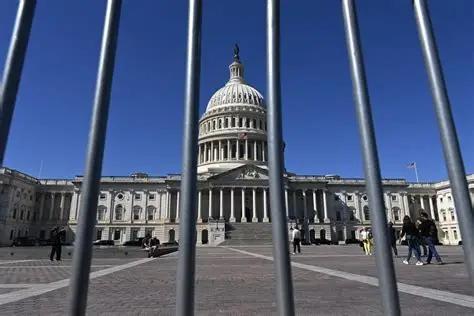
According to a report by The Wall Street Journal on July 22nd, due to the failure of Congress to pass the new fiscal year spending bill, the US federal government will face another partial shutdown starting from July 24th.
According to a report by The Wall Street Journal on July 22…

On July 17th, Taiwan's stock market experienced a historic …

On July 22nd local time, the pre-market short-term decline …

On July 22 local time, Advanced Micro Devices (AMD) officia…
According to the report by Rich Asplund, a columnist of Bar…

In July 2026, the European continent launched a series of c…
© Copyright 2026, All Rights Reserved