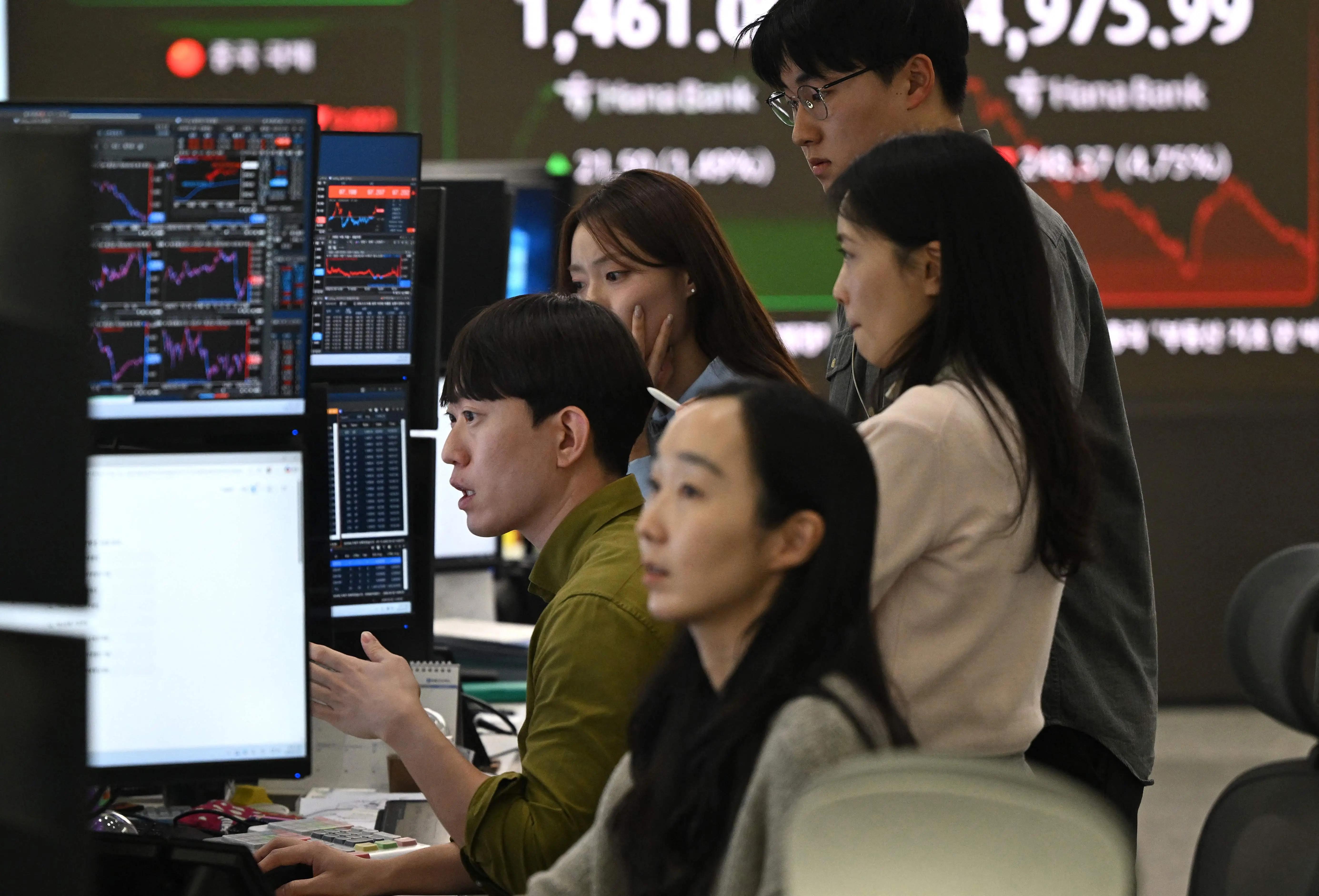
On May 27th local time, the South Korean stock market opened high and then rallied strongly. The KOSPI index saw an early morning increase of up to 5%, setting a new record high. This month, the South Korean stock market has frequently witnessed extreme market conditions. The KOSPI index triggered the crash mechanism due to a nearly 5% surge and a more than 5% drop, becoming the focus of global capital markets. This round of market fluctuations was triggered by the super cycle of AI storage chips. Samsung and SK Hynix, with a global monopoly advantage of over 80% in HBM production capacity, led to significant stock market fluctuations. This "bullish then crash, crash then bullish" market shock has had profound and complex impacts on the South Korean real economy, residents' lives, financial system, fiscal policies, and global industrial chains.
At the real economy level, the market crash in South Korea showed a "short-term boost, long-term concern" divergence effect. During the strong rally, the semiconductor industry experienced explosive growth. Samsung and SK Hynix had orders scheduled until 2027, and the prices of DDR5 and HBM continued to soar, driving a significant increase in semiconductor exports and expanding trade surplus. Manufacturing investment and employment improved simultaneously. However, the "single-engine" dependence of the South Korean economy has become increasingly prominent, with the two semiconductor giants accounting for nearly 50% of the KOSPI's weight. Excluding semiconductors, the GDP growth rate of South Korea in 2025 would only be 0.4%. The real economy and the stock market are seriously disconnected. Once AI demand slows down or chip prices fall, a crash crash will follow, leading to a contraction in corporate capital expenditures and a decline in exports, directly dragging down economic growth. The sharp decline in mid-May caused the value of South Korea's market to evaporate by approximately 52 billion US dollars.
For residents' lives and social structure, the market crash exacerbated wealth disparity and speculative tendencies. During the strong rally, a "public stock trading" craze emerged, with net inflows of 377 trillion won by retail investors in the year. The number of new accounts under the age of 18 increased by nearly 10 times year-on-year. The appreciation of residents' assets led to a short-term recovery in consumption. However, wealth was highly concentrated in the semiconductor giants and early investors, resulting in a "77% of stocks fell" structural divergence. The gap between the rich and the poor continued to widen. More seriously, the leverage rate of retail investors reached 41.2%, and young people were borrowing money to enter the market. During the crash crash, they were prone to margin calls and stampedes, and debt risks spread to the household sector. At the same time, the speculative boom weakened the willingness for industrial activities, young people were addicted to stock trading, and the entrepreneurial and innovative drive weakened, long-term damaging the country's competitiveness.
In terms of fiscal and policy levels, the market crash brought short-term benefits and long-term reform pressures. During the strong rally, the profits of semiconductor giants reached new highs, corporate taxes and capital gains taxes increased significantly, and fiscal revenue improved significantly, providing space for the government to promote the "elimination of South Korean discount" reform. The government adjusted capital gains taxes and improved corporate governance to attract long-term foreign investment. However, during the crash crash, policy pressure increased sharply, and the central bank needed to stabilize the market through interest rate cuts, liquidity投放, and intervention in the foreign exchange market, increasing the difficulty of regulation. Additionally, incidents such as the Samsung strike repeatedly impacted the market, forcing the government to balance industrial interests and social demands, making policy formulation more complex.
Furthermore, from a global perspective, the market crash in South Korea became a key variable affecting global industrial chains and capital markets. As a core producer of semiconductors globally, South Korea's HBM production capacity and prices directly determine the production costs of AI servers and consumer electronics. The strong rally in South Korean stocks boosted the global chip market's prosperity, while the crash led to a correction in global technology stocks. The linkage effect of the Asia-Pacific market was significant, with South Korean stock market fluctuations directly transmitting to the Hong Kong stock market, A-share technology sectors, and affecting foreign investors' risk preferences. Meanwhile, as an emerging market "barometer", the changes in foreign capital flows in South Korea have an impact on the global allocation of funds and have a demonstration effect on the pricing of technology growth stocks.
In conclusion, the stock market crash in South Korea is the result of the concentrated outbreak of AI industry dividends and structural risks. This shock has also sounded the alarm for the global economies: excessive reliance on a single industry and allowing speculative bubbles to expand will eventually face severe tests after the prosperity fades away.
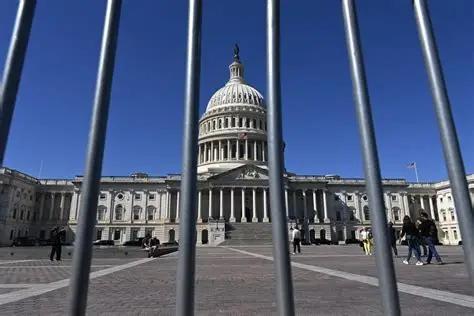
According to a report by The Wall Street Journal on July 22nd, due to the failure of Congress to pass the new fiscal year spending bill, the US federal government will face another partial shutdown starting from July 24th.
According to a report by The Wall Street Journal on July 22…
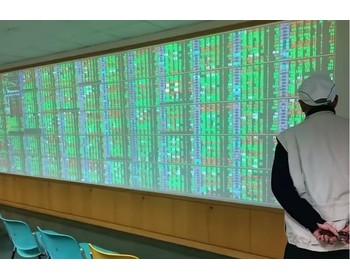
On July 17th, Taiwan's stock market experienced a historic …
On July 22nd local time, the pre-market short-term decline …
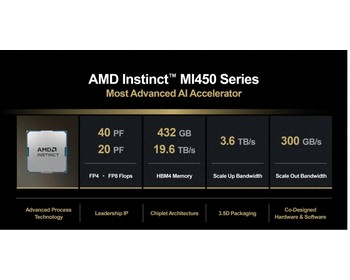
On July 22 local time, Advanced Micro Devices (AMD) officia…
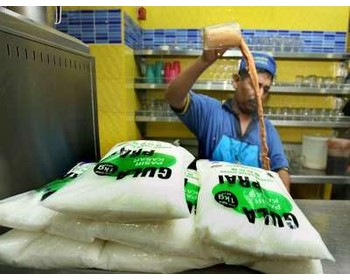
According to the report by Rich Asplund, a columnist of Bar…

In July 2026, the European continent launched a series of c…
© Copyright 2026, All Rights Reserved