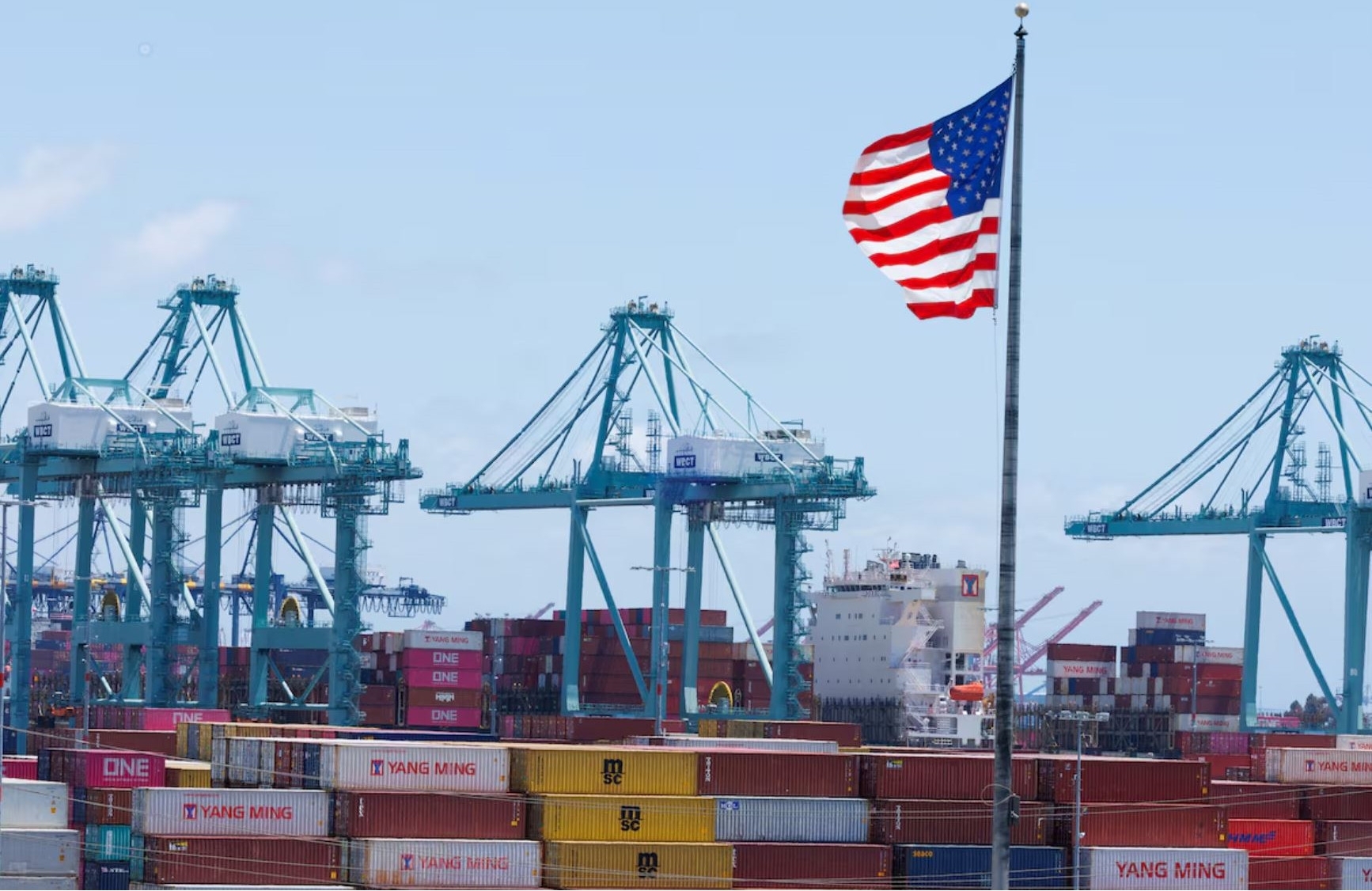
Recently, according to Xinhua News Agency, Algoma Steel Limited, a major Canadian steel enterprise, has confirmed that it will lay off about 1,000 employees due to the impact of high tariffs from the United States. This incident not only reflects the direct impact of international trade frictions on microeconomies, but also reveals from a financial perspective the complex chain reactions of tariff policies on industrial chains, job markets and corporate capital operations.
From the perspective of direct financial impact, the United States' imposition of high tariffs on Canadian steel products has directly raised the export costs of Argoma Steel. As a capital-intensive industry, the steel sector has a significant proportion of raw material, energy and transportation costs in its cost structure. Tariffs, as additional costs, not only compress the profit margins of enterprises but also weaken the price competitiveness of their products in the US market. When enterprises are unable to fully pass on the cost of tariffs through price hikes, a decline in profit margins becomes inevitable. The layoffs at Argoma Steel this time are essentially a "survival by cutting off an arm" strategy adopted by the company to cope with cost pressure and maintain basic operations. However, although layoffs can cut labor costs in the short term, they may trigger a long-term chain reaction - employee turnover leads to a decline in production efficiency, loss of technical experience, and even affects the enterprise's innovation ability, further weakening its market position.
The predicament of Argoma Steel is not an isolated incident. As a fundamental link in the manufacturing industry, the fluctuations in the steel industry will be transmitted along the upstream and downstream of the industrial chain. Upstream raw material suppliers may face inventory overstock and capital recovery pressure due to reduced orders. Downstream manufacturing enterprises may be forced to adjust their production plans due to rising steel prices or unstable supply, and even pass on costs to end consumers, triggering inflationary pressure. This "butterfly effect" is manifested in the financial market as fluctuations in stocks of related industries, downgrades in bond ratings, and even triggers investors' concerns about the stability of the regional economy. Argoma Steel's decision to lay off staff might just be a microcosm of the overt financial risks in the industrial chain.
A further examination of the enterprise's capital operation level reveals the potential flaws of Argoma Steel in risk hedging and capital structure. In the face of uncertainties in international trade policies, enterprises should have diversified risks through market layout diversification, futures hedging, supply chain financial tools and other means. However, judging from the public information, it seems that Argoma Steel has failed to effectively utilize these financial means, resulting in its excessive reliance on the US market. Once the tariff barriers are erected, it will be in a passive position. In addition, key indicators in a company's capital structure, such as the proportion of debt and cash flow management capabilities, may also deteriorate due to the impact of tariffs. For instance, if a company incurs a large amount of debt to expand production capacity and tariffs lead to a sharp decline in revenue, it may face debt repayment pressure and even trigger the risk of debt default.
The case of Argoma Steel reflects the disruption to the global trade order caused by unilateralist tariff policies. Tariffs, as a tool of trade protectionism, may protect some domestic industries in the short term, but in the long run, they distort the allocation of market resources and lead to efficiency losses. For economies like Canada that are highly dependent on trade, tariff shocks not only affect the micro level of enterprises but may also be transmitted to the macroeconomy through channels such as the job market and consumer confidence. Although laying off 1,000 people may seem like a local event, if similar situations spread to more industries, it will further increase the unemployment rate, cause consumption to shrink, and thereby drag down economic growth. This kind of "beggar-thy-neighbor" policy may eventually backfire on the implementers themselves, resulting in a "lose-lose" situation.
Finally, from the perspective of financial regulation and policy coordination, the predicament of Argoma Steel also highlights the necessity of international policy coordination. In the context of globalization, the tariff policies of a single country often fail to function independently and may instead trigger retaliatory measures of "an eye for an eye", creating a vicious cycle. Central banks and financial regulatory authorities of various countries need to enhance communication and use tools such as monetary policy coordination and financial stability mechanisms to mitigate the impact of trade frictions on financial markets. Enterprises should also enhance their financial literacy, proactively adapt to changes in international rules, and strengthen their own risk resistance capabilities by innovating financial products and services.
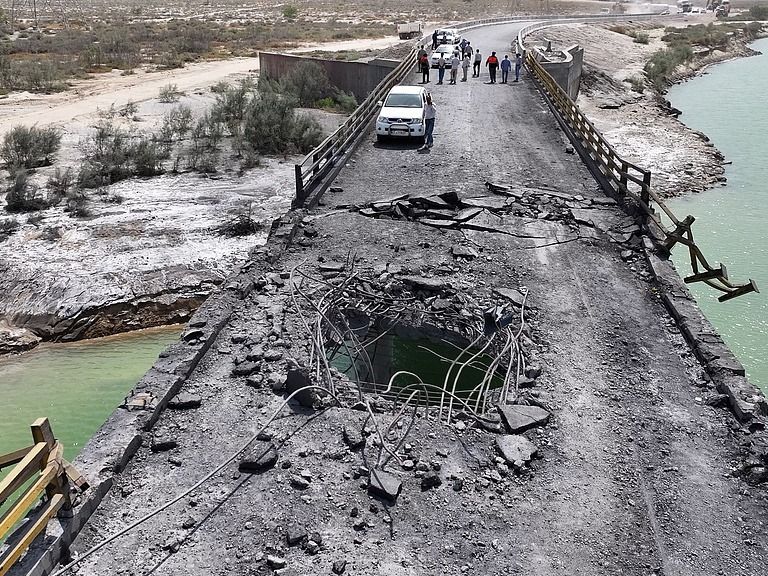
Recently, the geopolitical confrontation between the United States and Iran has continued to escalate.

Recently, the geopolitical confrontation between the United…

The New York Times has recently clashed with the Trump admi…

Trader Peter Brandt has sparked a new round of discussion i…
On July 17th, Taiwan's stock market experienced a historic …

OpenAI updated its compute expenditure expectation through …

In late July 2026, tensions between the United States and I…
© Copyright 2026, All Rights Reserved