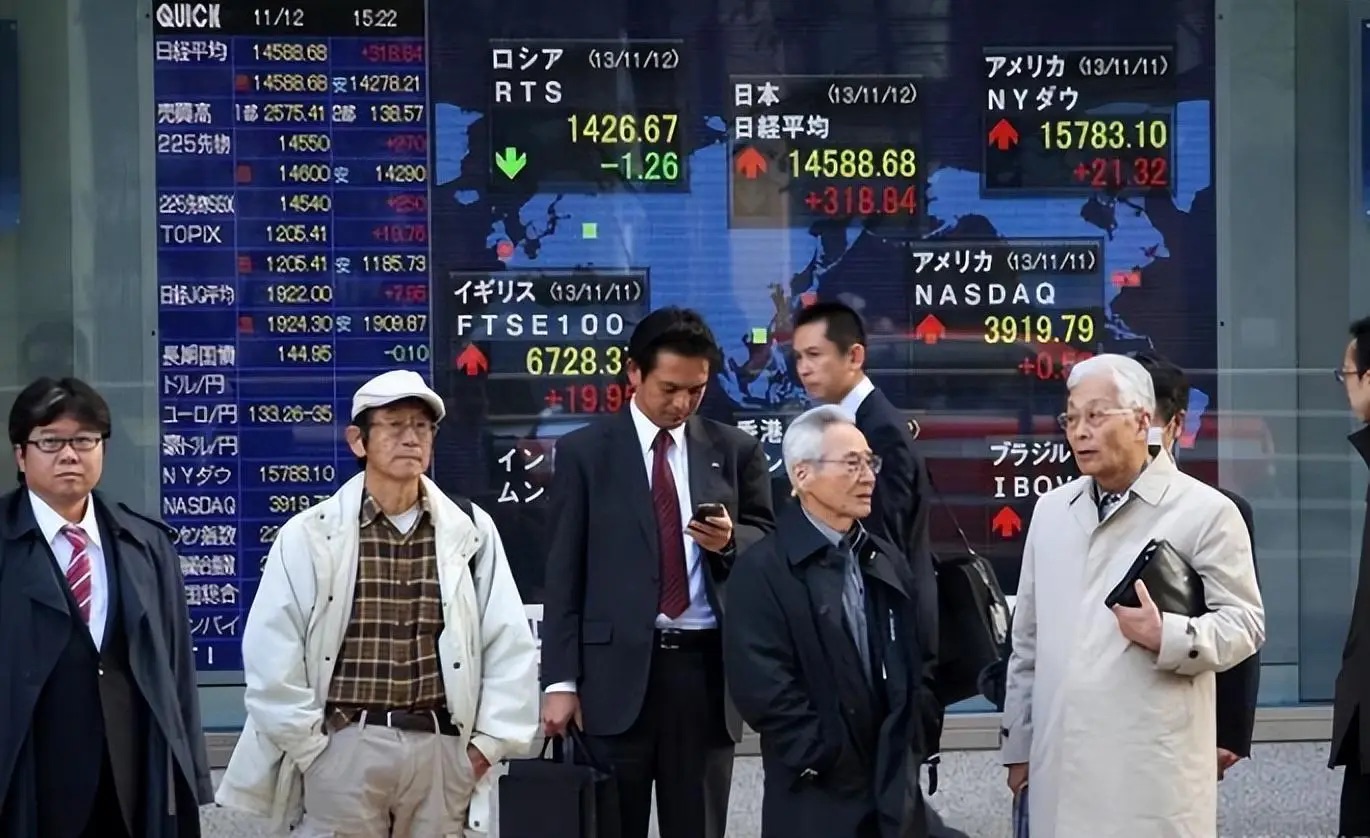
According to the British media "ING Think", recently, the rising inflation in Tokyo and the hawkish remarks from the Bank of Japan have become the focus of market discussion. This series of economic signals not only affects the economic policy direction in Japan but also has a subtle impact on the global market.
The CPI inflation rate in Tokyo rose in June, undoubtedly dropping a "shock bomb" on the Japanese economy. The data shows that the core price excluding fresh food and energy increased by 1.9%, which not only exceeded market expectations but also marked the first rebound of Tokyo's inflation rate in eight months. The overall inflation rate rose by 1.7% year-on-year, although it remained below 2% due to government measures and high grain prices as a base, the potential price pressure cannot be ignored. Especially, the oil price rebounded after a seven-month decline, although limited by government price control measures, its driving effect on overall inflation is still considerable. The increase in clothing and household goods prices further confirms the widespread existence of inflationary pressure.
During the summer period, although government subsidies for public utilities can alleviate inflationary pressure to some extent, it is expected that the impact of the second round of subsidies will be more significant and may push up core inflation. This means that the inflation challenge faced by the Bank of Japan is far from over, and it may intensify due to the withdrawal of subsidy policies. More importantly, the rise in inflation is not an isolated event but is closely linked to the global economic situation, energy price fluctuations, and the adjustment of Japan's domestic economic structure. In this context, if the Bank of Japan continues to maintain a loose monetary policy, it will face greater inflation risks.
The change in the stance of Bank of Japan officials is undoubtedly another major focus of the market. From the meeting minutes in June, some directors expressed hawkish positions on the rising inflation risks, emphasizing that the chain reaction brought by high oil prices may be more evident in consumer prices before and after the summer. The speeches of Ueda Takeshi and Deputy Director Noda Tsuyoshi directly pointed out that the price increase of enterprises exceeded expectations. These remarks not only reveal the severe judgment of the Bank of Japan on the inflation situation but also indicate that its monetary policy stance may change.
The Bank of Japan is not a monolithic entity. With the change of board members, the balance of power between hawkish and dovish factions is undergoing subtle changes. Although the hawkish and dovish members are currently evenly matched, the split in the decision-making level will continue for some time. What is more interesting is that the high government plan to appoint more dovish candidates in 2027 may significantly change the policy inclination of the Bank of Japan and reduce the possibility of further interest rate hikes. However, whether this plan can be implemented smoothly and the impact on the Japanese economy and global financial markets after its implementation remain uncertain.
From an economic logic perspective, the combination of rising inflation in Tokyo and the hawkish remarks from the Bank of Japan actually reflects the complex challenges faced by the Japanese economy during its transformation. On the one hand, the rise in inflation requires the Bank of Japan to tighten its monetary policy to prevent overheating of the economy and asset bubbles; on the other hand, the uncertainty of the global economic situation and the adjustment of Japan's domestic economic structure make the Bank of Japan have to act with caution in decision-making. Under such circumstances, moving the interest rate hike expectation from December to October is undoubtedly a choice made after weighing the pros and cons. However, whether this choice can effectively balance the relationship between inflation and economic growth still needs time to be verified.
In conclusion, the interweaving of rising inflation in Tokyo and the hawkish remarks from the Bank of Japan has brought new variables to the Japanese economy and the global financial market. Facing this complex situation, the Bank of Japan needs to remain highly vigilant, closely monitor the changes in inflationary conditions, and flexibly adjust its monetary policy stance.

According to the British media "ING Think", recently, the rising inflation in Tokyo and the hawkish remarks from the Bank of Japan have become the focus of market discussion.
According to the British media "ING Think", recently, the r…

As geopolitical tensions mount in the Middle East, the Stra…

In recent years, extreme heat waves have frequently swept a…

On July 4, 2026, the United States reached a special milest…

Since the start of summer, many countries in Western Europe…

On July 5th local time, just before the opening of the NATO…
© Copyright 2026, All Rights Reserved