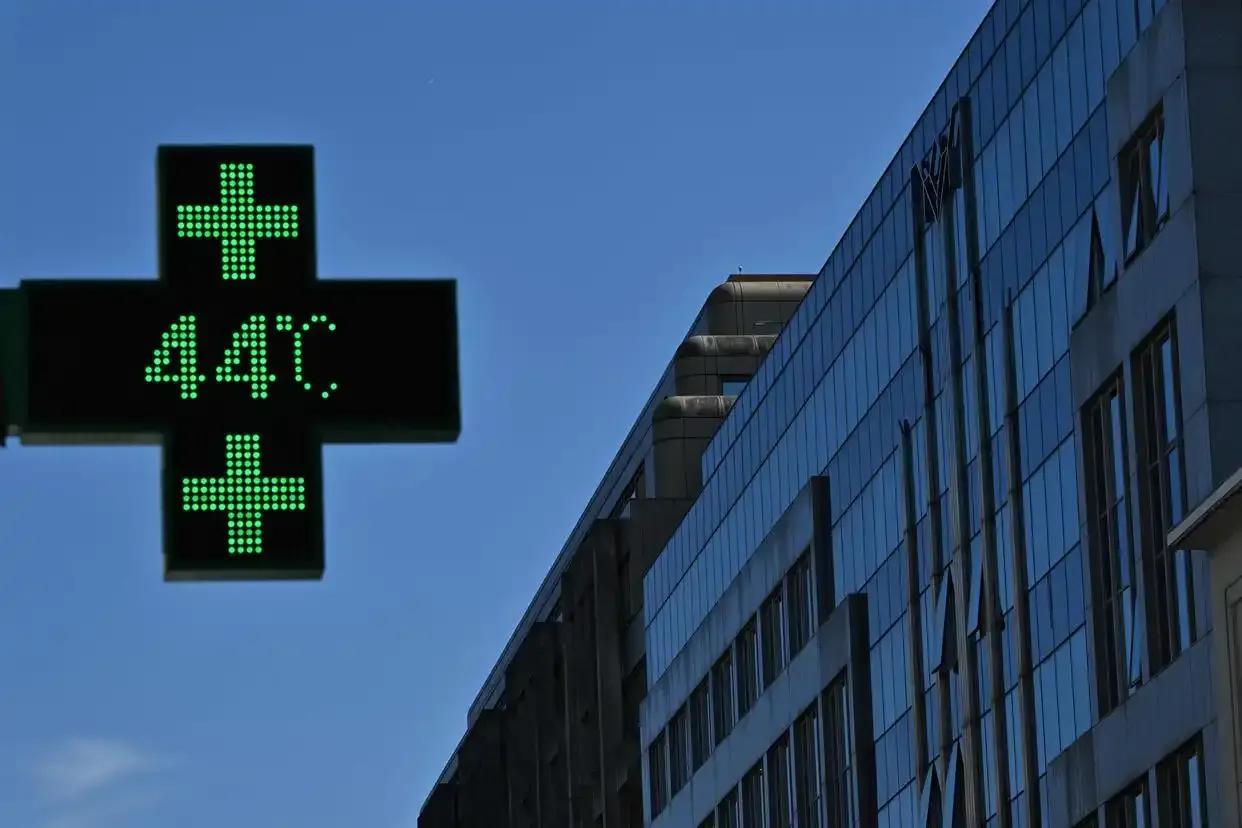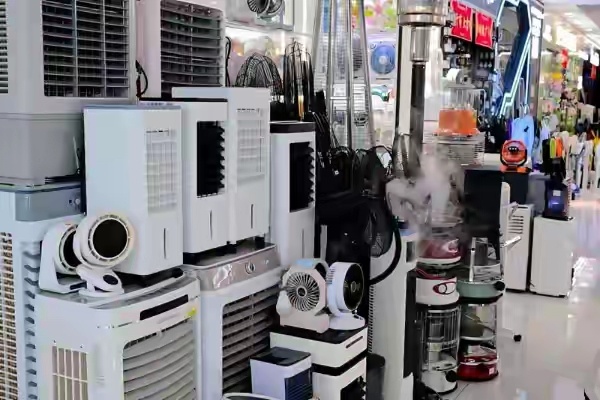
In recent years, extreme heat waves have frequently swept across Europe, and temperatures in many countries have repeatedly broken historical highs. Under the scorching heat, a perennial contrast has become increasingly prominent: as a region where developed economies are concentrated globally, the air conditioning penetration rate in Europe has long been low. Data shows that the overall household air conditioning penetration rate in Europe is only about 20%, as low as 5% in the UK and only 3% in Germany, far lower than the penetration rates of 90% in the US and over 60% in China. Many people attribute it to Europeans' reverence for nature and tolerance to high temperatures, but in fact, this is not a personal lifestyle choice, but a structural solidification result of multiple factors such as climate history, building systems, economic costs, policies and regulations, and industrial ecology.
The inertia of climate history is the most fundamental underlying cause. For a long time, most temperate maritime and temperate continental climate zones in Europe have a mild climate throughout the year, with short and cool summers and rare extreme high temperatures. Under traditional meteorological conditions, the average summer temperature in Europe is generally around 25 ℃, and it is comfortable to spend the summer without refrigeration equipment, thus forming a centuries old tradition of living without refrigeration. Experts from the International Energy Agency have bluntly stated that Europe has no consumer tradition of using air conditioning. The public has never developed the habit of cooling in summer, and the market naturally lacks the original motivation to popularize air conditioning. However, in recent years, global climate change has intensified, extreme heat in Europe has become normalized, and the original climate balance has been disrupted, but the social supporting system has not yet undergone synchronous iteration.
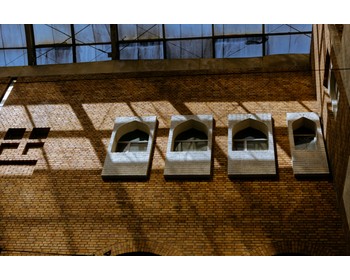
The inherent defects of old building systems are the physical constraints that make it difficult to break through the popularization of air conditioning. European cities preserve a large number of century old buildings, old-fashioned apartments, and cultural heritage sites. This type of building has thick walls and narrow windows, originally designed to adapt to cool climates and winter insulation, but naturally adapts to natural ventilation and cooling without the need for air conditioning assistance. More importantly, most old city buildings in Europe are subject to cultural heritage protection and urban style control, and the renovation of exterior walls and facades is strictly restricted. The installation of external units for split air conditioners is prone to rejection due to damage to the overall aesthetic of the building and affecting the style of the neighborhood, especially in core protected area buildings where the installation of external units is basically prohibited. At the same time, the aging of pipelines and the solidification of layout structures in old buildings make it impossible to adapt to the installation of central air conditioning. Hardware renovation is extremely difficult and costly, completely locking in the space for air conditioning installation.
The high cost of the entire chain is the core practical barrier that hinders the popularization of civilian use. Air conditioning has never been defined as a necessity in Europe, but rather classified as a luxury item, with high costs throughout the entire process of purchase, installation, and use. At the purchasing level, there is almost no complete air conditioning industry chain in Europe, and the market models mostly rely on imports, with prices much higher than those in the Chinese and American markets. The installation level is particularly exaggerated, with labor and compliance construction costs far exceeding the price of the equipment itself. The total cost of a set of ordinary split air conditioners can easily reach one or two thousand euros, which is a large expense for ordinary households. On the usage level, the long-term high electricity prices in Europe, combined with environmental taxes and fees, and the continuous operation of air conditioning electricity costs, make most people hesitate, and the cost-effectiveness is far lower than traditional cooling methods such as natural ventilation and fans.
Policy regulations and environmental culture have further compressed the living space of air conditioning. Europe has long implemented strict carbon neutrality, energy conservation, and emission reduction policies. The refrigerants used in air conditioning and refrigeration equipment generate greenhouse gas emissions, which contradicts Europe's 2050 carbon neutrality goal. Therefore, they have never received policy support and are subject to many restrictions. At the same time, the mainstream trend of low-carbon and environmental protection has long prevailed in European society, and the active use of air conditioning was once seen as an environmentally unfriendly and high energy consuming lifestyle, forming implicit social public opinion constraints. In addition, the cumbersome administrative approval process for air conditioning installation has further raised the threshold for popularization, and the time and labor costs of compliant installation have led to a large number of people voluntarily giving up their installation plans.
The weakness of industrial hollowing out has formed a vicious cycle of market closure. Air conditioning manufacturing belongs to a complete full chain manufacturing industry, with extremely high requirements for upstream and downstream supporting facilities and large-scale production capacity. Europe has been deindustrializing for a long time, and the light industry manufacturing system has shrunk. Local air conditioning research and production have long been abandoned, and market products mainly rely on OEM and imports. Due to long-term sluggish terminal demand, enterprises have no incentive to build factories and expand production, while insufficient production capacity and high prices further suppress consumer demand, ultimately forming a closed loop of "low demand - no industry - high prices - lower demand".

In recent years, extreme heat waves have frequently swept across Europe, and temperatures in many countries have repeatedly broken historical highs.
In recent years, extreme heat waves have frequently swept a…

On July 4, 2026, the United States reached a special milest…

Since the start of summer, many countries in Western Europe…
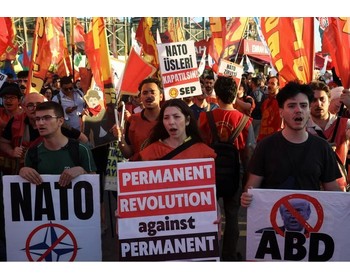
On July 5th local time, just before the opening of the NATO…

In 2026, the European Union’s Carbon Border Adjustment Mech…
The NATO summit has not yet opened, but internal rifts have…
© Copyright 2026, All Rights Reserved