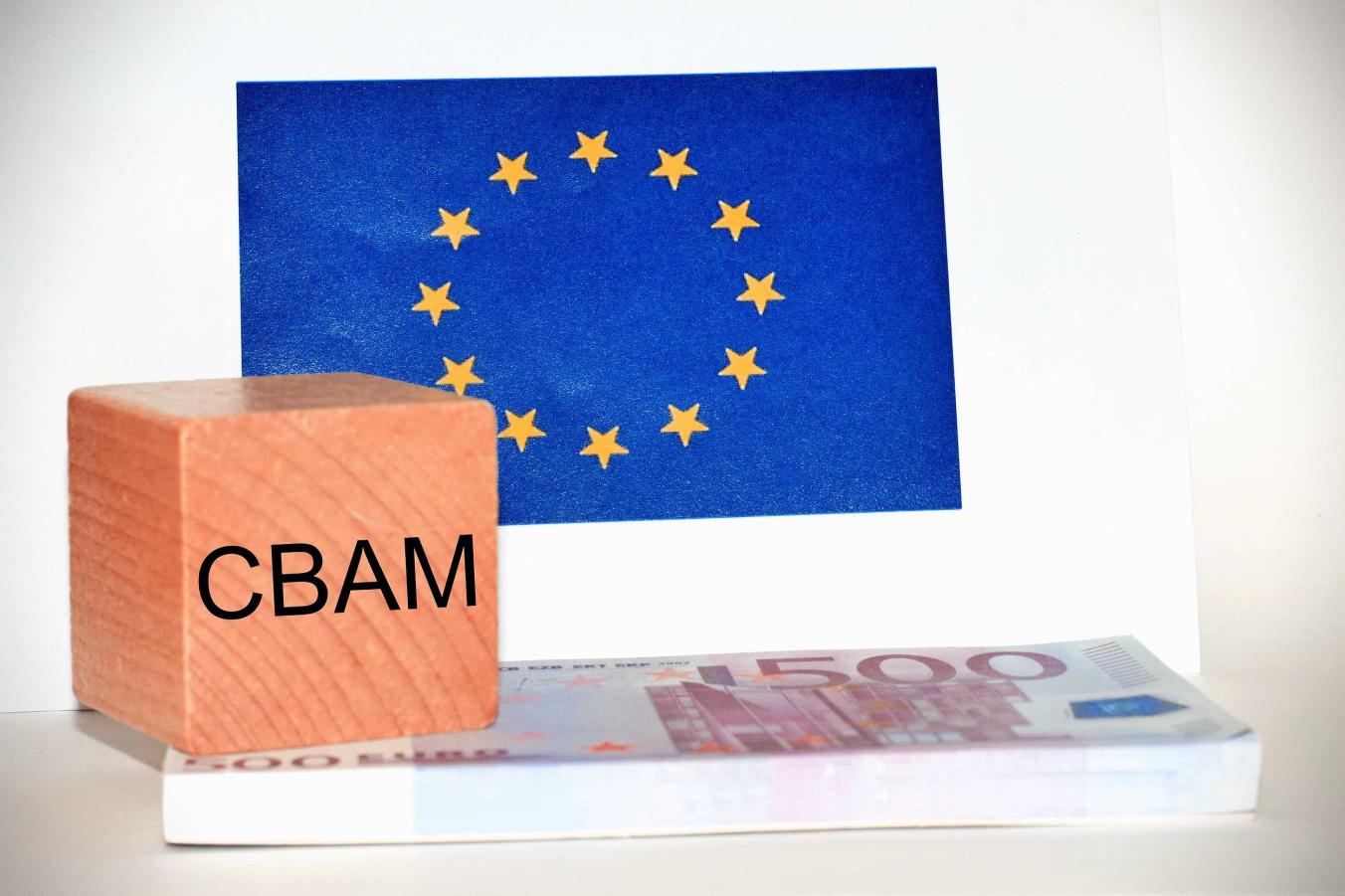
In 2026, the EU's Carbon Border Adjustment Mechanism (CBAM) will enter the full-scale and formal taxation stage. The European Commission simultaneously introduced new detailed regulations, tightening the regulatory standards for high-carbon imported goods comprehensively by filling accounting loopholes, strengthening inspection and punishment, and expanding the controlled categories. This policy upgrade mainly covers high-energy-consuming industries such as steel, cement, and basic chemicals, significantly increasing the compliance costs for import enterprises. American enterprises and officials have repeatedly complained that the new regulations contain unilateral discrimination. The divergence in green trade rules between Europe and the United States has continued to intensify, driving the global high-carbon industrial chain to initiate a new round of cost and pattern reconfiguration.
Previously, there were obvious gaps in the transitional period supervision of CBAM, and many enterprises avoided carbon tariffs by splitting customs declaration orders, simplifying upstream carbon emissions accounting, and falsely reporting production data, resulting in carbon leakage and unfair market competition. In response to various evasion loopholes, the EU's new regulations have established a strict full-chain supervision system. The new regulations extend the carbon emission accounting boundary from the terminal production stage to the entire value chain of raw materials, fuels, and electricity, completely eliminating the arbitrage space of "segmented production and decentralized reporting". At the same time, the EU has raised the punitive carbon emission coefficient, and when enterprises cannot provide third-party measured carbon data, they will be taxed using an increased 30% industry benchmark. Additionally, a yearly on-site inspection mechanism has been added for large import enterprises, imposing heavy fines for false reporting and underreporting of carbon emissions, significantly increasing the enterprise's violation costs.
In terms of the scope of control, CBAM has officially initiated the expansion process. Currently, the mechanism covers six high-carbon core industries: steel, cement, aluminum products, fertilizers, electricity, and hydrogen energy. The new regulations clearly state that in 2028, 180 new types of steel and aluminum, and downstream chemical products will be added, covering construction machinery components, chemical intermediates, and other categories, achieving full-chain carbon supervision from raw materials to end industrial products. The tightening of policies brings dual cost pressures: on the explicit level, the current EU ETS carbon price is stable at 85 to 95 euros per ton, and the carbon surcharge for imported steel, cement, and basic chemical raw materials has significantly increased; on the implicit level, enterprises need to build carbon emission monitoring systems, improve full-supply chain carbon archives, and hire professional institutions for verification, with the compliance operation costs for small and medium-sized export enterprises rising sharply. The EU stated that this move aims to level the carbon cost gap between domestic and foreign industries and protect the market competitiveness of domestic low-carbon transformation enterprises.
This regulation update has sparked strong opposition from the United States, becoming the core focus of the green trade friction between Europe and the United States. American industries such as steel and chemicals have repeatedly complained that the CBAM rules contain serious unilateral discrimination. The essential differences in the green industrial policy systems between Europe and the United States exist: the EU relies on a unified carbon market and mandatory carbon pricing to promote emissions reduction, while the United States uses the Clean Energy Incentive Act as the core, without establishing a national unified carbon tax system. The EU does not recognize that American industrial subsidies are equivalent to carbon cost deductions, resulting in American export products being unable to enjoy the same preferential policies as carbon market countries such as the UK and Canada, and being at a competitive disadvantage in the EU market.
In response, the US Trade Representative's Office has repeatedly submitted objections through bilateral talks and the WTO platform, accusing the EU of merely relying on its own standards to formulate global carbon trade rules and constructing green trade barriers. The US side clearly released countermeasures signals, stating that if the EU refuses to adjust core rules such as carbon price recognition and data reporting, the United States will rely on its existing tariff negotiation leverage to introduce equivalent carbon border adjustment policies. However, the EU has always insisted that the new regulations comply with the WTO's principle of national treatment, applying a unified accounting standard to all imported goods, only slightly relaxing the exemption conditions for small and medium-sized enterprises, and not making concessions in core taxation and regulatory rules. As a result, the originally advancing negotiations on tariff reduction for low-carbon industrial products between Europe and the United States have stalled, and transatlantic green industry cooperation has been hindered.
From the perspective of the global industrial landscape, the expansion and tightening of CBAM is reshaping the high-carbon trade system. The strict carbon compliance requirements have forced the steel, chemical, and cement industries to accelerate their low-carbon transformation. The production capacity layout of enterprises is gradually shifting towards regions with abundant clean energy and those having the qualifications for carbon market mutual recognition. Small and medium-sized manufacturing enterprises lacking carbon accounting and carbon management capabilities have seen their export space to Europe continuously shrink. At the same time, the spillover effects of the EU's carbon rules continue to manifest. The UK, Japan, Canada, and other economies have all established their own domestic carbon border adjustment mechanisms by referring to the CBAM. The trend of global carbon trade standardization becomes increasingly evident.
In the short term, the carbon tariff dispute between the EU and the US is difficult to be resolved, and the differences in the underlying logic of their policies are hard to bridge. The EU adheres to its sovereignty in climate regulation and continuously strengthens the output of green trade standards; the US, through trade pressure and policy countermeasures, safeguards the interests of its domestic industries. In the long run, the low-carbon transformation of the global manufacturing industry is an inevitable trend. CBAM is not only the core tool for the EU to promote carbon neutrality but also an important means for it to compete for the right to speak on global green rules. For multinational high-carbon manufacturing enterprises, establishing a complete carbon management system, optimizing the supply of clean energy, and laying out low-carbon production capacity have become the core strategies to adapt to global green trade rules and secure their market share in the EU. How to balance the climate emission reduction goals with multilateral trade fairness will also become a key issue in future global economic and trade governance.

In recent years, extreme heat waves have frequently swept across Europe, and temperatures in many countries have repeatedly broken historical highs.
In recent years, extreme heat waves have frequently swept a…

On July 4, 2026, the United States reached a special milest…
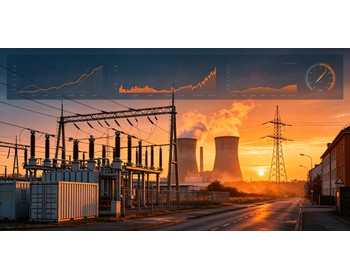
Since the start of summer, many countries in Western Europe…
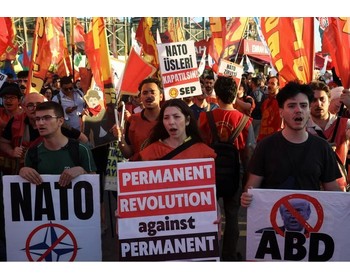
On July 5th local time, just before the opening of the NATO…
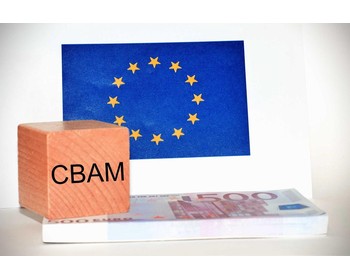
In 2026, the European Union’s Carbon Border Adjustment Mech…

The NATO summit has not yet opened, but internal rifts have…
© Copyright 2026, All Rights Reserved