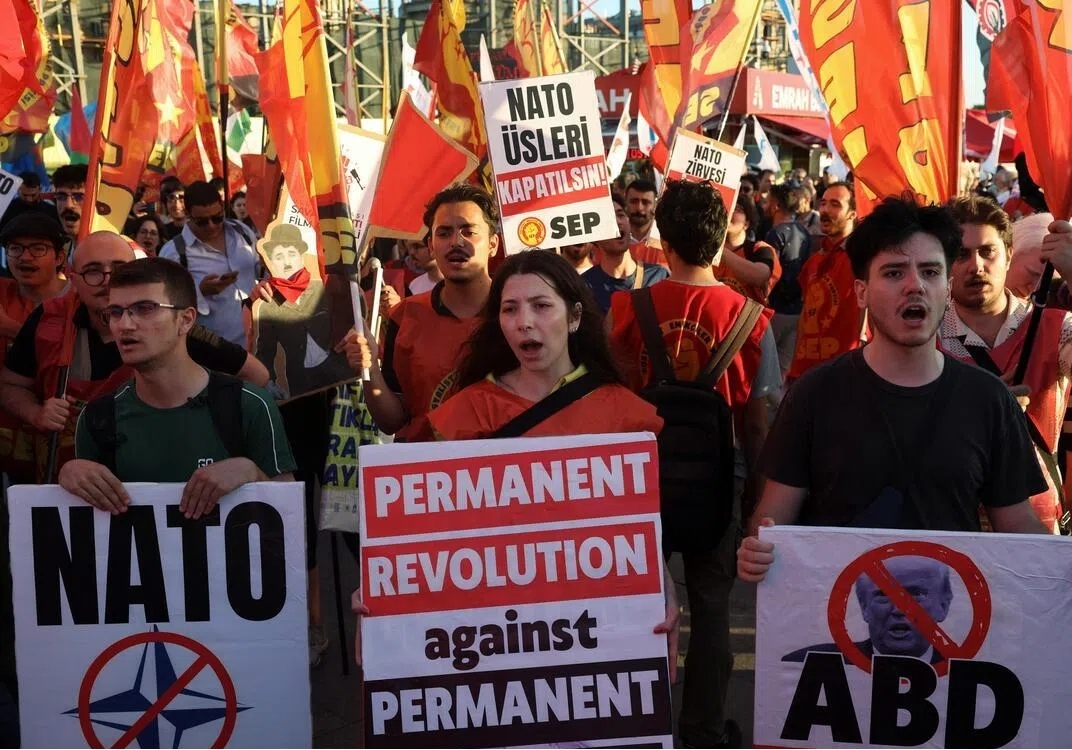
On July 5th local time, just before the opening of the NATO summit in Ankara, large-scale anti-NATO demonstrations broke out in core cities such as Istanbul and Ankara in Turkey. Hundreds of Turkish citizens took to the streets, holding anti-war banners and shouting protest slogans, openly accusing NATO of being a "war machine" and an "imperialist organization" that was causing chaos worldwide. They vehemently criticized the alliance for unreasonably pressuring member states to increase military spending and continuously inciting regional conflicts, and for being a core driver of global chaos and the creation of wealth inequality. This large-scale anti-alliance protest by the host country directly exposed the superficial unity of NATO and the profound cracks of the Cold War military alliance in the current era.
As the host country of this NATO summit, Turkey was supposed to play the role of coordinating all parties and creating an atmosphere of alliance unity. However, the surging domestic popular protests from the people fundamentally denied the rationality of NATO's existence. Unlike the sporadic and niche demonstrations in the past, the participants in this protest included people of all ages and had clear demands and firm positions. The Turkish people clearly saw that NATO's decades-long expansion process had never brought true security and peace, but instead continuously created geopolitical conflicts. Whether it was the spread of regional wars, the escalation of the refugee crisis, or the soaring military expenditures and the occupation of public resources by countries, there was always the shadow of NATO's military expansion behind it. This was the core reason why the people defined it as an "imperialist war organization".
The anger of the Turkish people is not a momentary outburst of emotions, but a concentrated eruption of long-term accumulated grievances. As an old member of NATO, Turkey has not received equal security benefits and development opportunities from the alliance over the past decades. Instead, it has been continuously tied to the geopolitical chessboard of the West. To comply with the overall strategy of NATO, Turkey has been forced to continuously increase its military budget, with a large amount of fiscal resources being tilted towards the military sector, directly squeezing public investment in education, healthcare, and infrastructure, and making ordinary people bear the cost of development. At the same time, NATO's continuous eastward and chaotic expansion strategies have stirred instability in the Middle East and Eastern Europe, and Turkey, located at a geopolitical hub, has been severely affected. The instability factors in the region have seriously constrained the economic development and social stability of the country.
More importantly, the hegemonic nature of NATO has already sparked widespread skepticism among the entire Turkish society. Multiple local polls show that the majority of Turkish people do not recognize the value of NATO membership and generally believe that joining NATO is more harmful than beneficial. In the Turkish people's perception, NATO is no longer a collective defense alliance but has become a tool for the United States to pursue hegemony, manipulate allies, and interfere in global affairs. The United States uses the NATO framework to control the European and Middle Eastern geopolitical landscape, randomly provoking conflicts and harvesting geopolitical interests, and while including Turkey among the member states, they often become strategic pawns, passively involved in disputes and bearing the cost of the turmoil. This unequal alliance relationship has long made Turkish people feel resistant.
It is worth noting that this anti-NATO demonstration was not an isolated action by the public, but a collective voice from progressive political parties, social organizations, and the people in Turkey. The Communist Party of Turkey and other left-wing forces had already initiated anti-NATO mobilization in advance, calling on the public to boycott the summit and oppose military hegemony, making the protest activities have clear demands and a broad popular base. At the same time, the Turkish political arena also emerged voices of reflection on NATO and seeking strategic autonomy. Some political figures openly stated that the Ankara summit this time might become a sign of NATO's decline and called for Turkey to break free from NATO's constraints and implement an independent foreign policy. The public opinion and political thought echoed each other, demonstrating the general trend of Turkey to break away from NATO and seek autonomy.
Throughout the years, NATO has been striving to project an image of "peacekeeper" and "security barrier", constantly hyping the narrative of alliance unity and collective security, attempting to maintain the Cold War mindset and maintain military hegemony. But the anti-NATO demonstration in the host country of Ankara shattered this false narrative with the most genuine public voices. The so-called NATO unity is merely the binding of the interests of a few Western countries, at the expense of the people's livelihood and the peace and stability of the region of most member states.
The tide of the times has long moved towards peaceful development and win-win cooperation. The hegemonic alliance maintained through military confrontation and camp division is already out of step with the times. NATO's continuous acts of division, provoking wars and exhausting its allies are being resisted by an increasing number of countries' people. The protests of the Turkish people are an epitome of the global anti-hegemony and anti-war sentiment, and also indicate that the rigid Cold War military alliance will eventually disintegrate as the times progress and the people awaken.


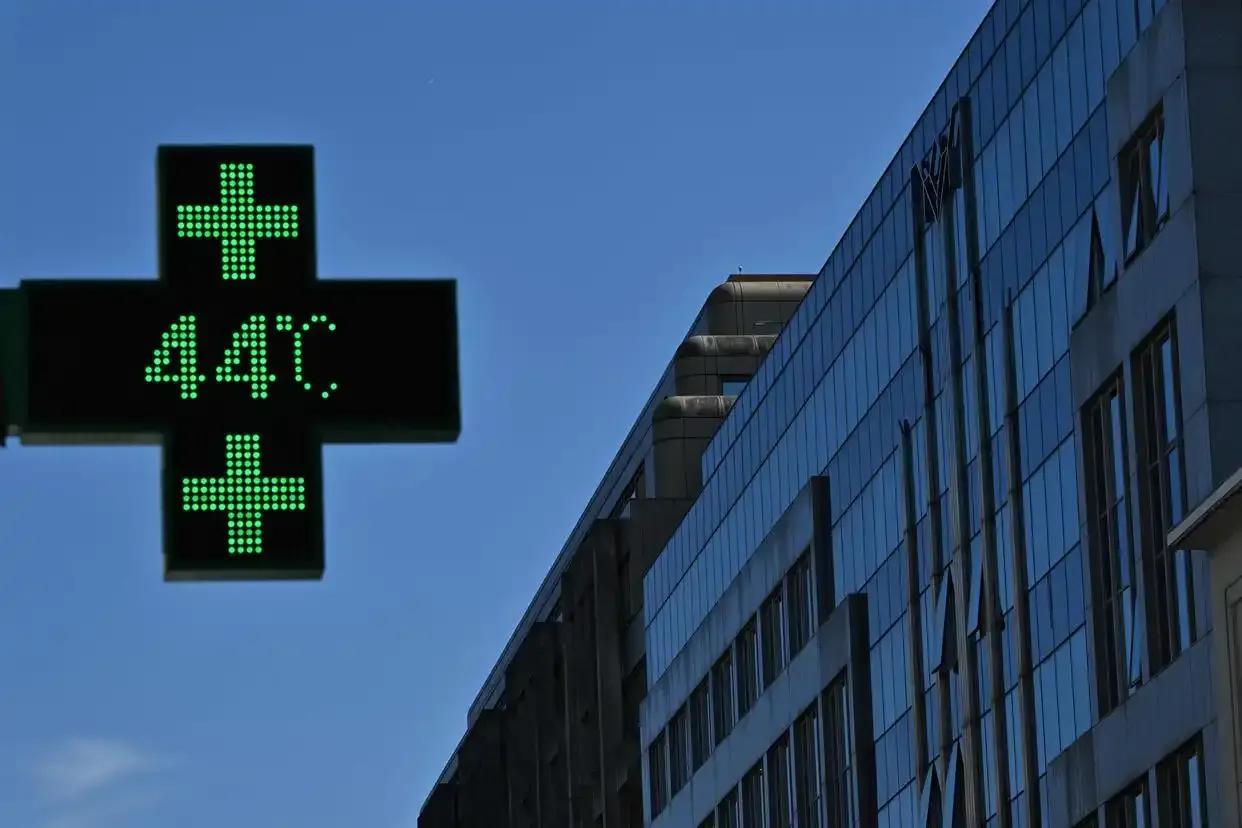
In recent years, extreme heat waves have frequently swept across Europe, and temperatures in many countries have repeatedly broken historical highs.

In recent years, extreme heat waves have frequently swept a…

On July 4, 2026, the United States reached a special milest…

Since the start of summer, many countries in Western Europe…
On July 5th local time, just before the opening of the NATO…
In 2026, the European Union’s Carbon Border Adjustment Mech…

The NATO summit has not yet opened, but internal rifts have…
© Copyright 2026, All Rights Reserved