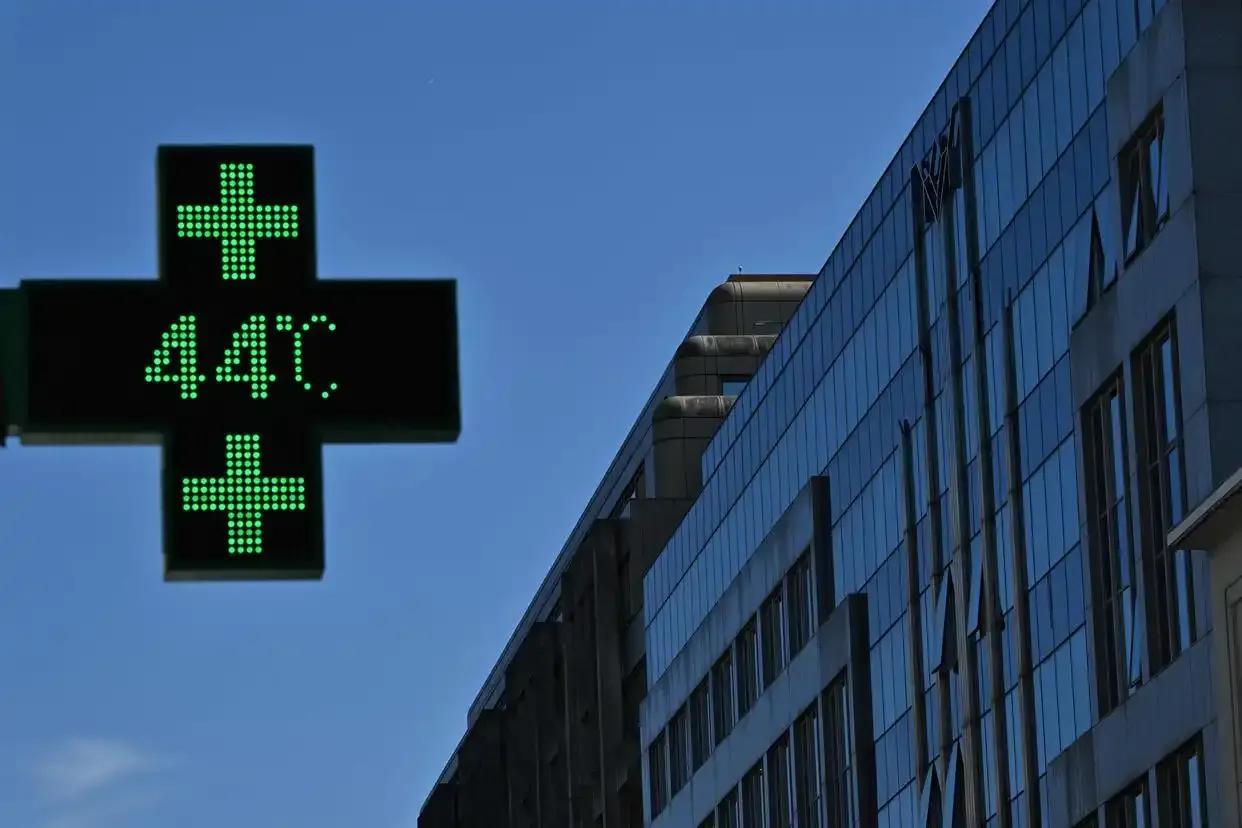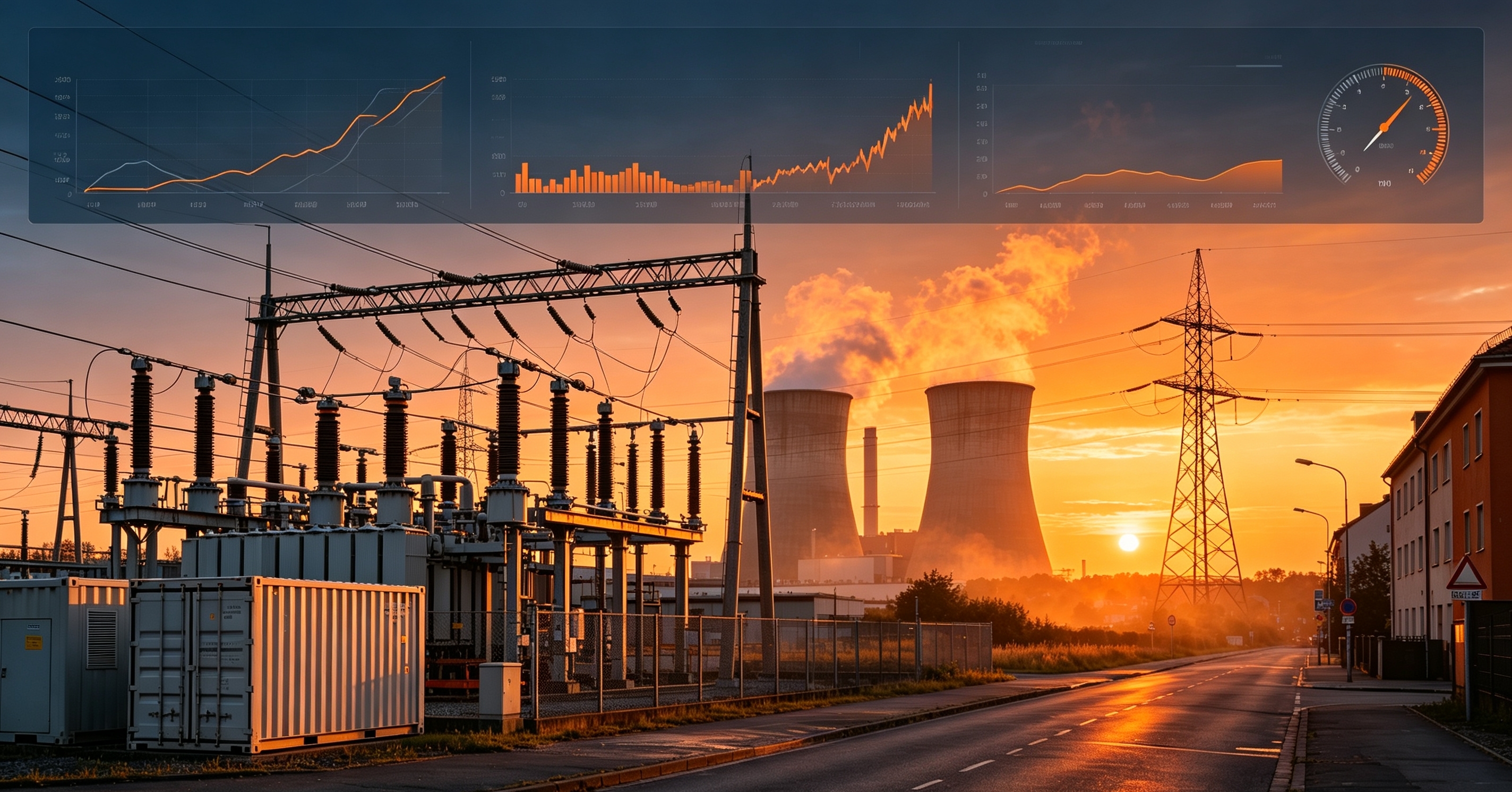
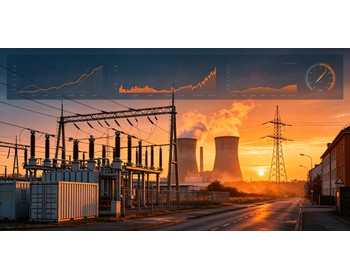
Since the start of summer, many countries in Western Europe have been hit by persistent extreme heat, causing residents' demand for cooling to surge and pushing up the load on the power grid. Electricity peak demand in many countries has repeatedly hit record highs. In the Netherlands, residential electricity prices once climbed to four times the normal level, with regional price disparities becoming significantly more pronounced. This round of electricity price volatility triggered by extreme weather is spreading from the energy spot market to macro policies, major assets, and industrial capital. It has disrupted the market's consensus expectation of falling inflation in Europe and added a new catalyst to the rising momentum of the energy storage sector.
Previously, benefiting from the fading energy base effect, inflation in the eurozone had been declining for several months, and the market generally bet that the European Central Bank would start a rate-cutting cycle within the year. However, the rebound in electricity prices driven by this heatwave is reshaping the short-term inflation path. As an important component of the consumer price basket, rising electricity prices will directly push up housing and service inflation, while also passing cost pressures along the industrial chain to the industrial side, slowing down the pace of core inflation decline. In financial markets, German 10-year government bond yields have recently risen temporarily, the euro-dollar exchange rate has seen increased volatility amid revised rate-cut expectations, and the pricing of the ECB’s first rate cut in the interest rate futures market has been clearly pushed further out. If the heatwave continues until the end of Q3, the rebound in energy inflation could exceed current market expectations, constraining the ECB's pace of monetary easing and forcing a reassessment of valuations in eurozone bond and stock markets.
The European electricity market uses a marginal cost pricing mechanism, where peak-time gas-fired and other peaking power sources determine the overall electricity price. Under extreme heat, the difference between peak and off-peak demand keeps widening. Combined with the reduced output from some nuclear and hydro plants due to high-temperature maintenance or insufficient water, the marginal cost curve of the power system steepens sharply, ultimately causing electricity prices to spike in pulses. For the real economy and capital markets, sharp electricity price fluctuations directly impact the profit stability of energy-intensive manufacturing industries. Cost pressures are rising again in sectors like chemicals, non-ferrous metals, and steel, with Q2 profit forecasts for some European industrial leaders facing downward revision risks. Meanwhile, the exposure risks of electricity retailers have also drawn attention from institutions. Small and medium-sized electricity providers that fail to hedge through derivatives may replay the liquidity stress seen in the 2022 energy crisis, bringing localized credit risks.
Alongside rising worries about inflation, expectations for Europe's energy storage installation are heating up. Extreme weather has highlighted the weaknesses of Europe's power system in balancing supply with a high share of renewable energy, and electrochemical energy storage is a key solution for stabilizing electricity prices and improving grid flexibility. The widening gap between peak and off-peak electricity prices directly boosts the arbitrage revenue model of storage plants, significantly shortening the payback period for projects. On top of that, the ongoing rollout of EU-level energy transition subsidies is accelerating demand for residential, commercial, and grid-side energy storage in Europe. In terms of capital markets, publicly listed companies across the global energy storage industry chain have seen fresh capital inflows since Q2, with order visibility improving for batteries, storage inverters, and system integration. Companies with overseas channels and cost advantages in technology will benefit first from this wave of growth. In the primary market, funding for European energy storage tech startups has jumped over 40% year-on-year in Q2, with industry capital speeding up its layout in the power flexibility space.
The recent extreme heat mainly caused a short-term shock to the European energy market, but the broader issue it reflects—vulnerabilities in the power system during the energy transition and the long-term value reevaluation of storage assets—is a more important mid-to-long-term theme. For global investors, this means keeping an eye on eurozone inflation data and ECB policy signals to guard against volatility caused by changing interest rate expectations, while also identifying structural investment opportunities across the energy storage supply chain as Europe's installations expand.

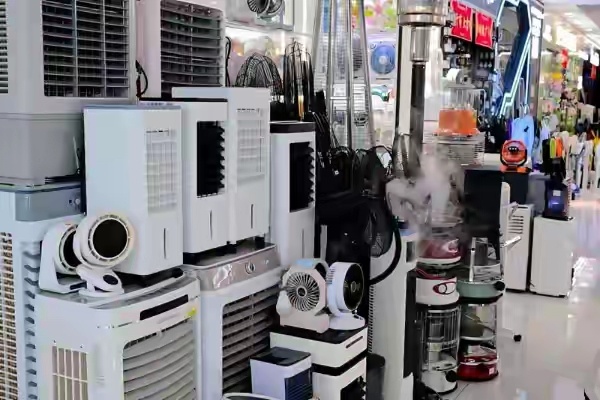
In recent years, extreme heat waves have frequently swept across Europe, and temperatures in many countries have repeatedly broken historical highs.
In recent years, extreme heat waves have frequently swept a…

On July 4, 2026, the United States reached a special milest…
Since the start of summer, many countries in Western Europe…
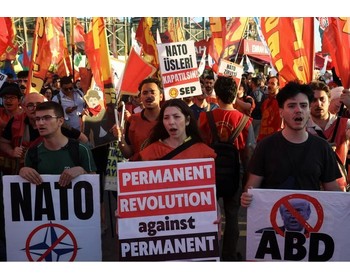
On July 5th local time, just before the opening of the NATO…
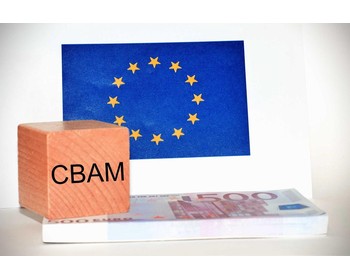
In 2026, the European Union’s Carbon Border Adjustment Mech…

The NATO summit has not yet opened, but internal rifts have…
© Copyright 2026, All Rights Reserved