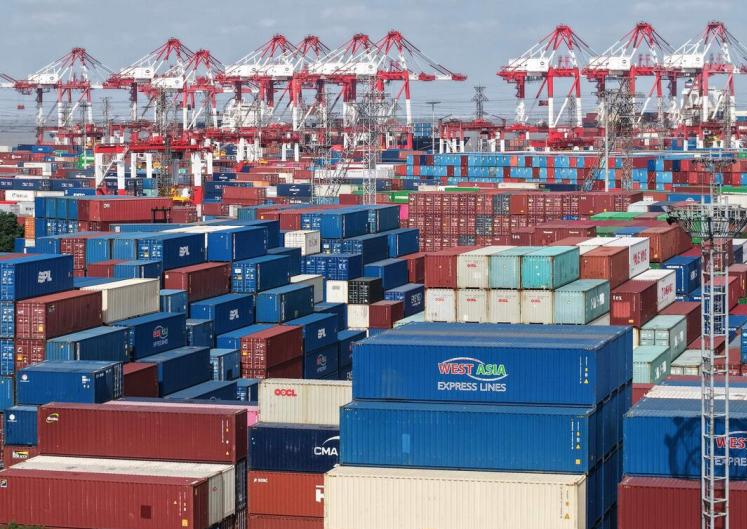
The latest report from the United Nations Conference on Trade and Development (UNCTAD) indicates that despite factors such as tense geopolitical situations, uneven global demand, and rising trade costs, global trade is expected to continue growing in the second half of 2025, with the annual trade volume projected to exceed 35 trillion US dollars for the first time.
Xinhua News Agency reported that the United Nations Conference on Trade and Development (UNCTAD) released a report on Tuesday (December 9) showing that global trade in the third quarter of 2025 increased by 2.5% compared with the previous quarter, among which trade in goods rose by nearly 2% and trade in services by 4%. It is expected that global trade growth will continue in the fourth quarter of this year, but at a slower pace. The total trade volume for the whole year is expected to increase by approximately 7% compared to last year, among which the trade in goods is projected to grow by 1.5 trillion US dollars and the trade in services by 750 billion US dollars.
The report indicates that in the past year, the export growth in East Asia was the strongest, increasing by 9%, among which intra-regional trade grew by 10%. South-south trade grew by approximately 8%, reflecting the increasingly close economic ties among developing economies.
Among various economies, China and South Korea stand out in East Asia, while Brazil and South Africa are the main growth engines in South America and Africa respectively. Meanwhile, the service exports of India and China have grown strongly, highlighting the increasingly important position of emerging economies in global trade.
The report also points out that in 2025, the trends of "friendly shore outsourcing" and "nearshore outsourcing" will strengthen again, with trade shifting towards partners with similar political positions or close geographical locations, and the global trade landscape is undergoing a reshaping.
Unctad predicts that global trade growth will slow down in 2026 due to the slowdown in global economic activity, rising debt, increasing trade costs, and the pressure brought by ongoing uncertainties.
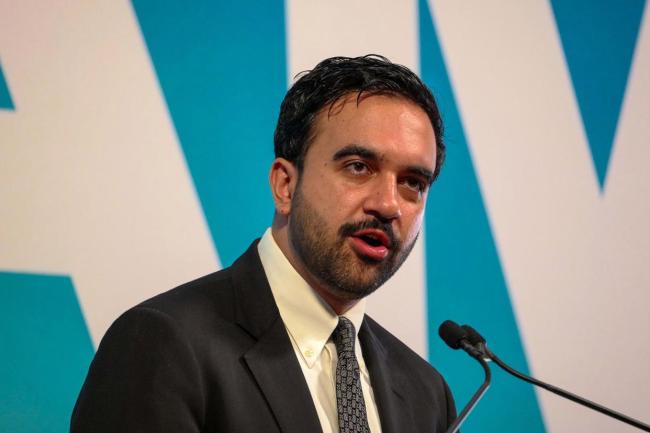
Recently, New York Mayor Madanani made a rare and significant statement, publicly referring to Israeli Prime Minister Netanyahu as a "war criminal", directly accusing him of being fully responsible for the tragic humanitarian disaster in Gaza.
Recently, New York Mayor Madanani made a rare and significa…
The latest July survey data released by the ZEW – Leibniz C…
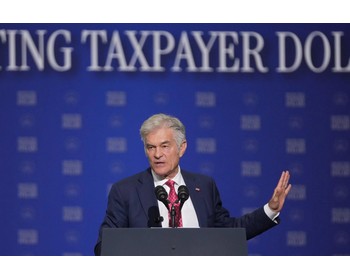
The Trump administration announced on Tuesday that it would…
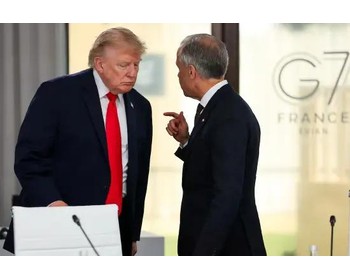
On July 21st local time, Canadian Prime Minister Mark Carne…

According to the Associated Press, the latest data from the…

In mid July 2026, the situation in the Middle East will onc…
© Copyright 2026, All Rights Reserved