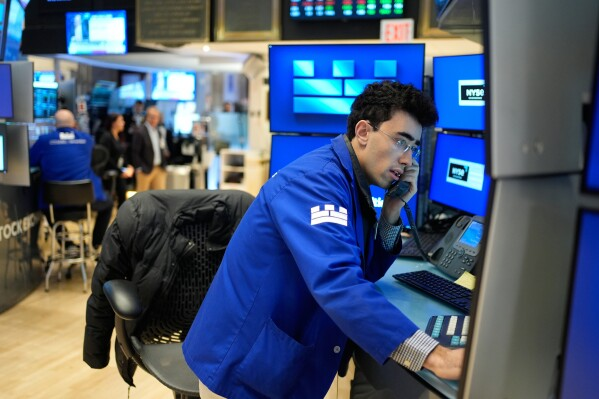
As optimism in the market about the possible end of the war with Iran grows, global financial markets saw a significant recovery on Wednesday. Wall Street stocks collectively rose, international oil prices and government bond yields fell in tandem, and major global stock indices generally increased, as market volatility previously disrupted by the war was temporarily alleviated. The core driving factor is the United States proposing a pause in war plans with Iran, igniting market hopes for a cooling of hostilities. Investor risk appetite has rebounded, and funds are gradually flowing back into stocks and other risk assets. However, it is worth noting that although market optimism has risen, the uncertainty of the war still dominates the market. Iran continues to attack Israel and Gulf Arab countries, while the U.S. is deploying more troops to the region, meaning market gains are still subject to fluctuations.
The recent recovery of the global financial market and the decline in oil prices and government bond yields are primarily driven by the market's optimistic expectations that the Middle East conflict will ease. The United States proposed to Iran to pause the war plan, and this signal has led the market to see the possibility of a cooling of hostilities and a reduction in conflict, directly boosting investors' risk appetite. The previously held risk-averse sentiment due to war uncertainties has been largely released, with funds flowing from safe-haven assets such as gold to risk assets like stocks, pushing stock indices higher. Additionally, expectations of easing hostilities will also alleviate the issue of the Strait of Hormuz blockage, and the resolution of supply tension expectations is driving a significant drop in international oil prices.
The recent market recovery, driven by expectations of easing conflict, has brought certain impacts and risks to the global financial and energy markets. The extreme volatility in the financial markets caused by the war has eased, and investor confidence is gradually being restored. However, the upward trend remains volatile, indicating that the uncertainty of the war has not been fully eliminated, and market sentiment is still relatively sensitive. If the conflict fluctuates again, it could trigger market volatility once more. The decline in oil prices has alleviated the pressure on global energy supply and reduced import costs for energy-importing countries, especially benefiting economies with high energy dependence such as the United States and Europe, helping to ease imported inflation pressure and support economic recovery. At the same time, the fall in oil prices has reduced costs for industries such as logistics and transportation, indirectly boosting profits in related sectors. The rise in risk assets has generated investment returns, and the rebound of safe-haven assets has allowed investors who suffered previous losses to recover some gains. However, market volatility still exists, and the investment risks faced by investors have not been completely eliminated.
In the face of the current market recovery trend brought about by expectations of a de-escalation of the war, as well as the potential risks of war-related uncertainties, all parties need to respond rationally, balancing returns with risk prevention. Investors should remain rational, avoid blindly chasing highs or selling lows, fully recognize that war-related uncertainties still dominate the market, reasonably adjust asset allocation, balance the proportion of risk and safe-haven assets, and implement risk hedging to avoid asset losses caused by repeated conflicts. Enterprises can seize opportunities to optimize operational layout, reduce costs, and improve profitability. Companies with favorable stock performance can leverage stock price increases to promote financing, business expansion, and other plans, stabilizing shareholder confidence. The United States and relevant countries can continue to promote ceasefire negotiations, consolidate market optimism, while closely monitoring energy and financial market dynamics. If oil prices or stock indexes show abnormal fluctuations, targeted regulatory measures can be taken to prevent significant market shocks, providing support for market stability.
To sum up, the recovery of global financial markets on Wednesday was the result of market optimism about the possible end of the Iranian war, but in this context, it is still necessary to recognize that the basis of market optimism is the expectation that "the war may end", rather than the actual ceasefire.
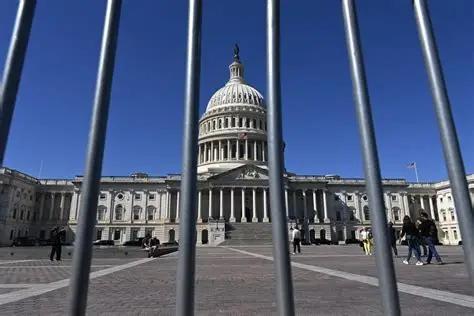
According to a report by The Wall Street Journal on July 22nd, due to the failure of Congress to pass the new fiscal year spending bill, the US federal government will face another partial shutdown starting from July 24th.
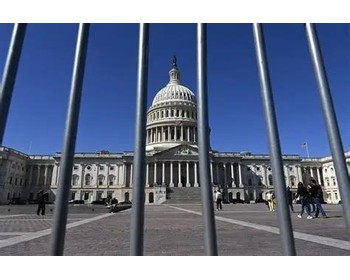
According to a report by The Wall Street Journal on July 22…

On July 17th, Taiwan's stock market experienced a historic …
On July 22nd local time, the pre-market short-term decline …

On July 22 local time, Advanced Micro Devices (AMD) officia…
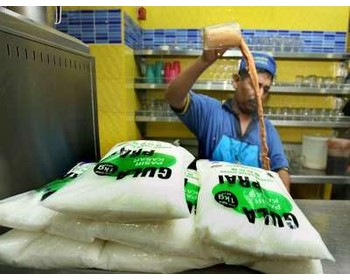
According to the report by Rich Asplund, a columnist of Bar…

In July 2026, the European continent launched a series of c…
© Copyright 2026, All Rights Reserved