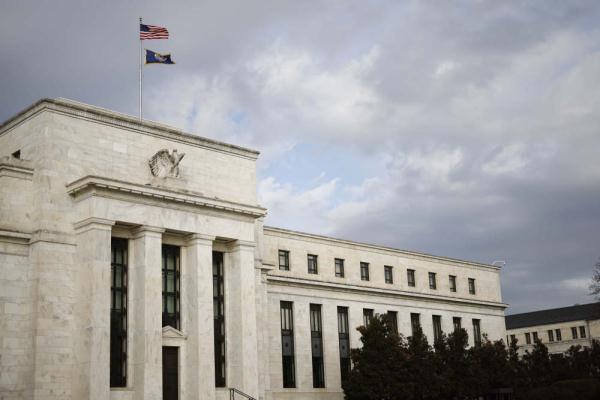
On June 25, the U.S. Department of Commerce released the Personal Consumption Expenditures (PCE) Price Index for May. Both headline and core inflation exceeded market expectations, breaking the previously common market forecast of a steady decline in inflation. After the data release, market expectations for a Fed rate hike this year quickly surged, triggering price adjustments in global forex, bond, and equity markets. The already high U.S. interest rate baseline was pushed even higher, becoming a key factor disrupting global financial markets recently.
Specifically, the U.S. PCE Price Index rose 4.1% year-on-year in May, rebounding significantly from the previous 3.8%. The core PCE Price Index, which excludes food and energy, rose 3.4% year-on-year, also above market consensus. As the Fed’s most important measure for monitoring inflation, the resilience of core PCE far exceeded market expectations, and this rebound wasn’t driven solely by energy prices—broad increases in core service prices were the main support. Prices for services like housing rent, medical services, and transportation continued their sticky upward trend, reflecting that U.S. domestic demand remains resilient and that service sector inflation is cooling more slowly than expected in a tight labor market. The underlying inflationary pressure hasn’t fully faded yet.
The higher-than-expected inflation data directly reversed market expectations regarding Fed policy. The market had at one point been speculating that the Fed would start a rate-cut cycle this year, but with repeated strong inflation data over the past two months and a firm job market, expectations have shifted from delaying rate cuts to anticipating rate hikes. Latest pricing in interest rate futures shows nearly a 90% chance of a 25-basis-point rate hike at the Fed’s September meeting, with a rate increase this year now the baseline market expectation. Some institutions also warn that if inflation doesn’t clearly fall in the coming months, a second rate hike this year is possible, meaning the Fed could keep interest rates high for significantly longer than previously expected.
Expectations for interest rate hikes have quickly spread to global asset markets. In the forex market, the U.S. dollar index has stayed around a 13-month high, putting pressure on non-U.S. currencies, while emerging markets are facing the dual pressures of capital outflows and currency depreciation. In the bond market, short-term U.S. Treasury yields have risen quickly with rate hike expectations, the yield curve inversion has eased slightly, and long-term rates are fluctuating amid concerns over economic growth and inflation pressures. In the equity market, high-valuation tech growth stocks are feeling the pressure first, as higher interest rates directly suppress their valuation logic, and the Nasdaq has already seen consecutive pullbacks. In commodities, gold is being temporarily pressured by a stronger dollar, while oil is swinging widely amid the combined effects of geopolitical and inflation expectations.
Looking ahead, inflation and employment data over the next two months will be key factors in the Fed’s policy decisions. If core PCE for June-July doesn’t show a clear drop and service sector inflation remains sticky, a rate hike in September is highly likely. It’s worth noting that the current inflation rebound is also influenced by factors like tariff adjustments and Middle East geopolitical tensions affecting energy prices, which adds more uncertainty to any decline in inflation. For the Fed, the current policy is caught between the dilemma of 'fighting inflation' and 'supporting growth.' Easing too soon could trigger a rebound in inflation, while continuing to raise rates could increase economic downturn risks, meaning the room for policy flexibility is shrinking.
The higher-than-expected May PCE inflation data once again shows how complex and volatile U.S. inflation can be. Global financial markets will continue operating under a high-rate environment, with interest rate volatility likely becoming the norm in the second half of the year. Investors worldwide need to adjust their overly optimistic expectations about a policy shift, fully price in the long-term effects of high rates, and stay alert to market fluctuations caused by valuation adjustments and cross-border capital flows.
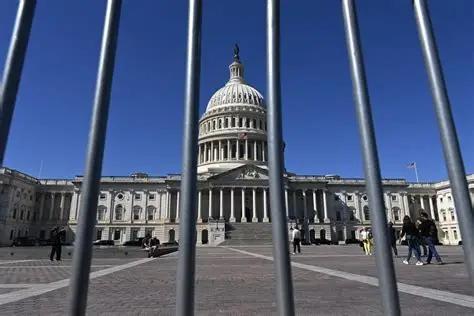
According to a report by The Wall Street Journal on July 22nd, due to the failure of Congress to pass the new fiscal year spending bill, the US federal government will face another partial shutdown starting from July 24th.
According to a report by The Wall Street Journal on July 22…

On July 17th, Taiwan's stock market experienced a historic …

On July 22nd local time, the pre-market short-term decline …

On July 22 local time, Advanced Micro Devices (AMD) officia…

According to the report by Rich Asplund, a columnist of Bar…

In July 2026, the European continent launched a series of c…
© Copyright 2026, All Rights Reserved