When top-tier AI technological momentum meets the world's premier IP resources, an industry-transforming revolution has begun. On December 11, 2025, OpenAI and Disney jointly announced a $1 billion strategic cooperation. Concurrently, OpenAI released the GPT-5.2 model, enhancing its agent and coding core capabilities. Disney, through a dual approach of capital injection and IP authorization, opened over 200 of its classic characters to the Sora generative content ecosystem. This "technology + IP" mutual collaboration not only resolves the previous copyright confrontation impasse between the AI industry and the entertainment industry but also reshapes the content production paradigm, setting a new benchmark for the digital transformation of the global cultural and entertainment industry.
The achievement of this cooperation stems from the core demands and strategic complementarity of both parties in their respective development. For OpenAI, although the release of GPT-5.2 demonstrates technological leadership—its Thinking version achieved an excellent 55.6% score in the SWE-Bench Pro coding test, even surpassing the level of top human experts in professional work tasks—commercialization and copyright compliance remain urgent bottlenecks to break through. Despite Sora's daily active users approaching 1 billion after its launch, the high training costs have trapped it in a dilemma where "revenue cannot keep up with costs," and copyright disputes have made it difficult to expand content scenarios. Disney's $1 billion investment will directly ease its cash flow pressure, support the continuous technological iteration of Sora, and more importantly, Disney's compliant IP authorization sets an industry benchmark for it, which is expected to promote cooperation with more content enterprises.
For Disney, this cooperation is a strategic choice to break through growth bottlenecks. As a benchmark in global IP operation, Disney holds cross-generational classic IPs such as Mickey Mouse, Iron Man, and Elsa, but its traditional monetization model has shown signs of fatigue, with the growth rate of Disney+ streaming platform subscriptions dropping to a single digit. Faced with changes in Gen Z users' entertainment habits, activating the value of existing IPs and developing new growth markets have become crucial. Sora's generative AI capabilities provide it with a new path: fans can generate cross-IP integrated content through natural language prompts. This UGC creation ecosystem can not only significantly enhance user stickiness but also bring substantial subscription growth to the Disney+ platform. Wall Street analysts predict that this move will drive subscription growth by more than 10%. At the same time, this cooperation transforms Disney from a passive position in IP rights protection to active revenue generation, and IP authorization is expected to become a new profit growth point.
The core value of the cooperation lies in the in-depth integration of technology and IP, promoting the comprehensive innovation of AI applications in entertainment scenarios. According to the agreement, the two parties will jointly develop exclusive Disney+ features based on GPT-5.2's agent capabilities and Sora's video generation technology. On the content production side, the traditional film and television production cycle from script to finished product takes several months, while Sora can realize real-time generation of 1-minute 1080p videos. Combined with Disney's IP authorization, it can quickly produce personalized marketing content for different groups, greatly improving production efficiency and reducing production costs. On the user experience side, fans will be able to create personalized content within a compliant framework, and high-quality UGC content selected can also serve as supplementary content for the platform, forming a virtuous cycle of "user creation - platform traffic generation - IP value appreciation."
The impact of this cooperation extends far beyond the two companies themselves and will accelerate the intelligent transformation of the entire cultural and entertainment industry. Previously, AI video generation tools have covered 500 million users worldwide with a market size of $4.55 billion, and the collaboration between OpenAI and Disney will further ignite this market. For the industry, this cooperation breaks down the barriers between AI technology and content IP, proving that the "technology + IP" cooperation model has enormous commercial potential. It is expected to trigger an upsurge of cooperation between streaming platforms, film and television companies, and AI enterprises. In content production, the traditional model of "relying on large teams and celebrities" will be gradually replaced by AI-assisted creation, leading to a qualitative leap in content production efficiency, and the film and television industry is expected to usher in a second growth curve in profitability.
Of course, the cooperation also faces many challenges. Establishing a sound content filtering mechanism to prevent the generation of harmful content and protect the rights and interests of creators is a problem that both parties must address. Although the agreement clarifies age-adapted policies and content specifications, continuous optimization of technical means is still needed in actual operation. In addition, the impact of AI technology on industry employment has also attracted attention, and the automation rate of positions such as video editors may increase significantly. How to balance technological innovation and employment security has become a common issue for the industry. Nevertheless, this $1 billion alliance has ushered in a new era of integration between AI and entertainment, and the "technology + IP + scenario" cooperation framework it has built will provide an important reference model for global industrial transformation.
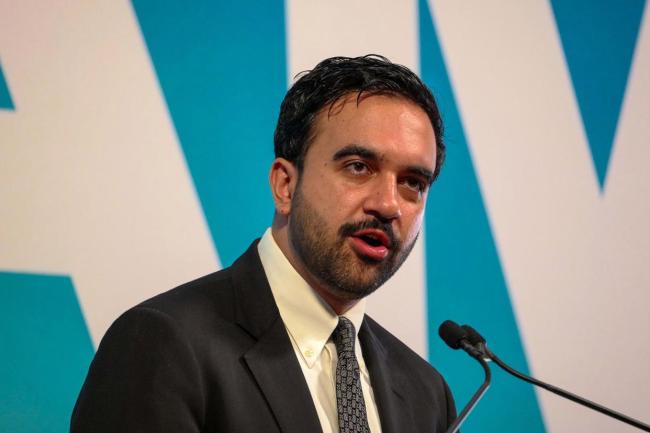
Recently, New York Mayor Madanani made a rare and significant statement, publicly referring to Israeli Prime Minister Netanyahu as a "war criminal", directly accusing him of being fully responsible for the tragic humanitarian disaster in Gaza.
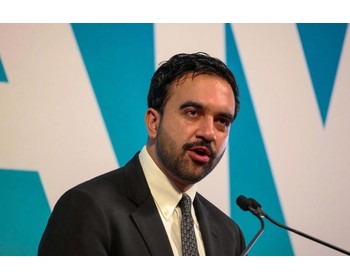
Recently, New York Mayor Madanani made a rare and significa…
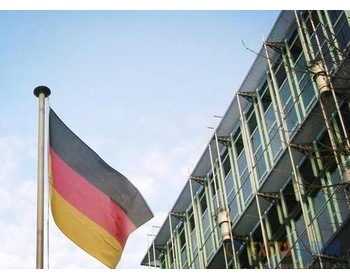
The latest July survey data released by the ZEW – Leibniz C…
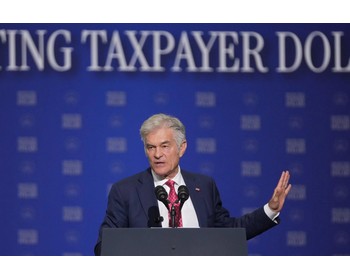
The Trump administration announced on Tuesday that it would…
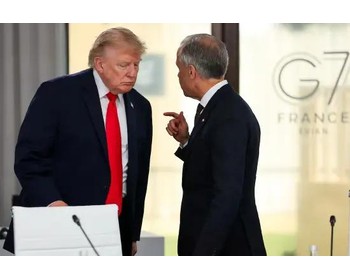
On July 21st local time, Canadian Prime Minister Mark Carne…

According to the Associated Press, the latest data from the…

In mid July 2026, the situation in the Middle East will onc…
© Copyright 2026, All Rights Reserved