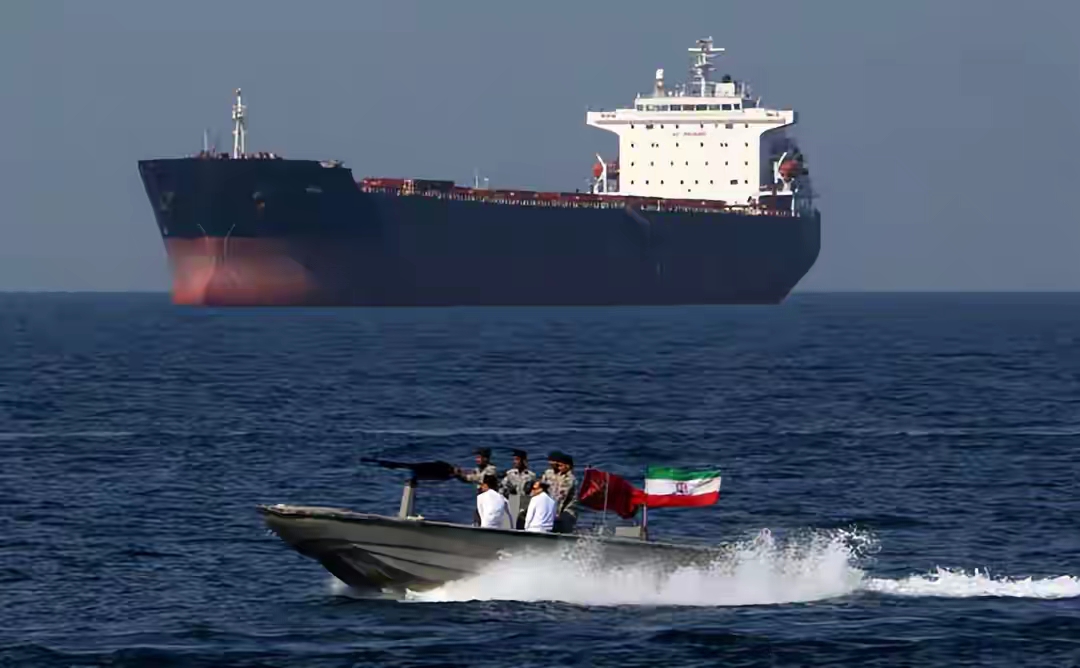
Geopolitical conflicts have always been an important disturbance factor in the global financial market, and the military confrontation between the United States and Iran in the Middle East, as the core hub of global energy, has a ripple effect on the international financial system, forming a comprehensive and multi-level impact. This war is not only a game of regional military power, but also deeply rewrites the global financial landscape through transmission chains such as energy, capital, currency, and inflation. It not only brings about short-term market volatility, but also lays the groundwork for long-term financial order changes, with far-reaching and complex impacts.
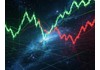
The fluctuation of the energy market is the primary breakthrough point for the impact of war on international finance. The Middle East controls over 30% of the world's oil supply, and the Strait of Hormuz, as a key channel for global oil shipping, carries more than one-fifth of the world's crude oil transportation. After the outbreak of the US Iran War, regional energy production and transportation were hindered, and international crude oil prices skyrocketed, breaking through temporary highs and causing a significant increase in energy geopolitical premiums. The drastic fluctuations in oil prices are directly transmitted to the global commodity market, with prices of natural gas, chemical raw materials, agricultural products, and other commodities rising synchronously, driving up the overall valuation of global commodities. Energy, as the fundamental raw material for industrial production, has seen a significant increase in prices, leading to increased costs in industries such as manufacturing, transportation, and aviation. This has resulted in a decline in profit expectations for companies, which in turn has caused fluctuations in the stock prices of listed companies in related industry chains. Global stock market risk appetite has rapidly cooled down, with major stock indices such as the US and European markets experiencing periodic drops, market panic indices soaring, and capital markets experiencing severe volatility.
The asset pricing logic of global capital markets has undergone fundamental changes. After the outbreak of the war, the market's risk aversion sentiment rose comprehensively, and funds shifted massively from risky assets to safe haven assets. The prices of traditional safe haven assets such as treasury bond bonds, gold and Swiss franc rose, the yields of US bonds fell periodically, and the gold price hit a new high, becoming a "safe haven" for funds. On the contrary, overvalued technology stocks and emerging market stock markets have experienced significant selling, the risk premium of the credit bond market has risen, the default risk of high-yield bonds has intensified, and the global credit cycle has entered a contraction stage ahead of schedule. At the same time, the international capital flow pattern has shown significant differentiation, with funds accelerating their return to the financial markets of developed economies such as the United States. Emerging markets are facing dual pressures of capital outflows and currency depreciation. Data shows that during the escalation of the war, the currencies of multiple energy importing emerging economies fell sharply against the US dollar, the consumption of foreign exchange reserves accelerated, capital market liquidity tightened, and financial stability was severely challenged.
The inflationary pressure brought about by war further constrains the monetary policy space of major economies around the world and exacerbates uncertainty in the international financial market. The current global inflation has not completely fallen back, and the rise in energy and commodity prices is driving a second rise in global inflation through channels such as cost transmission and expectation strengthening. The central banks of developed economies such as Europe and the United States are caught in a dilemma: if they continue to maintain a tight monetary policy to curb inflation, it will further exacerbate corporate financing pressure, suppress economic growth, and increase the risk of debt default; If we turn to easing, it will be difficult to curb the spread of inflation, leading to damage to monetary credit. This policy dilemma has triggered a market reassessment of the global interest rate path, leading to confusion in financial market expectations and exacerbating fluctuations in exchange rates, stock markets, and bond markets. However, the central banks of emerging economies are facing dual pressures of imported inflation and capital outflows, forcing them to passively raise interest rates to maintain exchange rates and further compress domestic economic growth space. Some emerging economies with high external debt and low foreign exchange reserves even face the risk of debt crisis outbreaks.
In the long run, the US Iran War accelerated the reconstruction of the international monetary system and global financial order, shaking the foundation of the US dollar hegemony. For a long time, the petrodollar system has supported the global reserve currency status of the US dollar, and the US Iran conflict has made countries around the world deeply aware of the instability of the US dollar settlement system. More and more countries are promoting the diversification of energy trade settlement, trying to bypass the US dollar and use their own currency or other currencies for oil trading. This trend directly impacts the petrodollar cycle, weakens the dominant position of the US dollar in global trade and financial settlements, and promotes the diversification of the international monetary system.
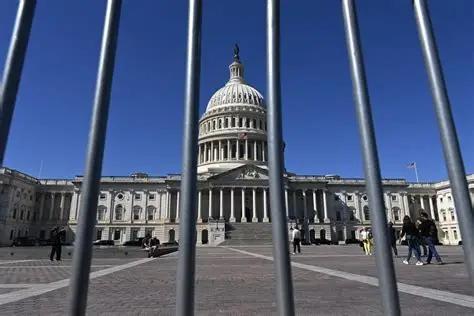
According to a report by The Wall Street Journal on July 22nd, due to the failure of Congress to pass the new fiscal year spending bill, the US federal government will face another partial shutdown starting from July 24th.
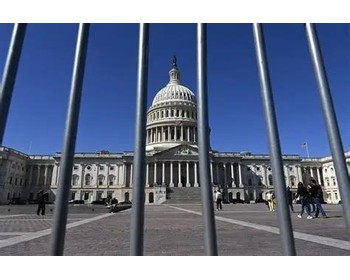
According to a report by The Wall Street Journal on July 22…
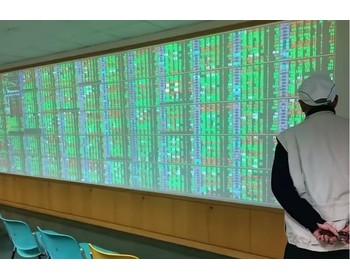
On July 17th, Taiwan's stock market experienced a historic …
On July 22nd local time, the pre-market short-term decline …
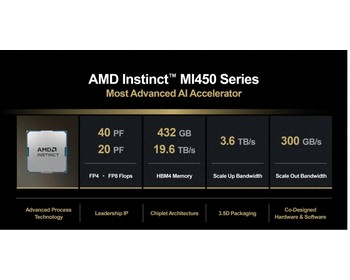
On July 22 local time, Advanced Micro Devices (AMD) officia…
According to the report by Rich Asplund, a columnist of Bar…
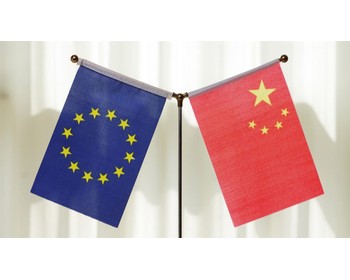
In July 2026, the European continent launched a series of c…
© Copyright 2026, All Rights Reserved