As of May 8 , the U.S. stock market maintained its strong upward momentum, with the three major stock indexes climbing simultaneously to notch new closing record highs. The Dow Jones Industrial Average held steady above the 49,200 mark, while the S&P 500 Index rose to 7,259.22 points and the Nasdaq Composite also surged, led by the technology sector.
The latest rally in U.S. stocks is primarily driven by heightened optimism over global peace amid easing geopolitical tensions, coupled with better-than-expected corporate earnings and growing expectations for Federal Reserve rate cuts. These intertwined positive factors have boosted market risk appetite significantly.
The most prominent catalyst for the current market rally is the de-escalation of geopolitical tensions in the Middle East, which has fueled upbeat sentiment regarding global peace and stability. Recent U.S.-Iran negotiations have yielded substantial progress; Iran has released detained American crew members and shipping traffic in the Strait of Hormuz has resumed normal operations, with vessels of shipping firms including Maersk sailing smoothly. The risk of military conflicts in the region has declined sharply. These peace developments have rapidly impacted the commodity market, triggering a notable drop in international crude oil prices. WTI crude oil futures plunged by more than 3.5%, effectively easing upward global inflationary pressure and creating a loose macroeconomic environment for U.S. stocks. Most investors acknowledge that the easing Middle East tensions have reduced uncertainties in global energy supply and substantially diminished risk-averse sentiment in capital markets.
Robust corporate earnings have laid a solid fundamental foundation for the U.S. stock bull market. As the current U.S. earnings season draws to a close, statistics indicate that over 80% of S&P 500 constituent companies have outperformed market consensus forecasts, registering the highest overall earnings growth rate in four years. The technology sector has delivered an outstanding performance, with the AI hardware industry chain witnessing explosive growth. Chipmakers including NVIDIA, AMD and Micron have posted sharp stock price increases. The commercial application of artificial intelligence has achieved tangible results, marking a shift from conceptual speculation to concrete earnings realization. Meanwhile, strong financial reports from consumer service enterprises such as Disney and Uber reflect resilient domestic consumption in the United States, further mitigating the risk of an economic recession.
Monetary policy expectations have further bolstered market bullish sentiment. Driven by falling energy prices, inflation control pressure in the U.S. has continued to ease, leading market participants to anticipate an accelerated pace of Federal Reserve interest rate cuts within the year. U.S. Treasury yields have declined to around 4.35%, lowering valuation pressure on growth stocks and driving capital inflows into high-quality tracks such as technology, cloud computing and big data. Capital flow data reveals that funds are concentrated in high-growth technology sectors, while traditional energy and financial sectors have witnessed slight capital outflows, highlighting obvious sector differentiation.
Wall Street institutions have generally upgraded their market outlooks. Investment banks including Morgan Stanley and Goldman Sachs stated in reports that strong corporate earnings are offsetting potential geopolitical risks. Combined with rising peace expectations, U.S. stocks are likely to break the traditional "May curse" and maintain an upward trend. Market investment sentiment has remained highly buoyant, with the trading volume of bullish options hitting a periodic high. Investors are reluctant to miss out on the market rally, showing strong willingness to chase rising stock prices.
Industry analysts warn that hidden risks lurk beneath the euphoric market sentiment amid the record-high U.S. stock levels. On one hand, geopolitical situations remain susceptible to fluctuations, and no final agreement has been reached in the Middle East peace negotiations. On the other hand, the continuous expansion of technology stock market capitalization has led to overvaluation of some assets. In addition, uncertainties persist regarding Federal Reserve monetary policies, pointing to potential market volatility in the future. Professional institutions advise investors to make rational allocations, refrain from blind bullish speculation, balance investments in growth and defensive sectors, and control position risks.
Overall, short-term synergies between geopolitical peace expectations, resilient corporate earnings and accommodative monetary policy expectations are sustaining the strong performance of U.S. stocks. Market participants will keep a close eye on developments in Middle East negotiations, U.S. inflation data and signals from Federal Reserve policy meetings. Amid the interplay of multiple influencing factors, U.S. stocks are expected to maintain a pattern of mild growth with heightened volatility.

According to a report by The Wall Street Journal on July 22nd, due to the failure of Congress to pass the new fiscal year spending bill, the US federal government will face another partial shutdown starting from July 24th.

According to a report by The Wall Street Journal on July 22…

On July 17th, Taiwan's stock market experienced a historic …

On July 22nd local time, the pre-market short-term decline …
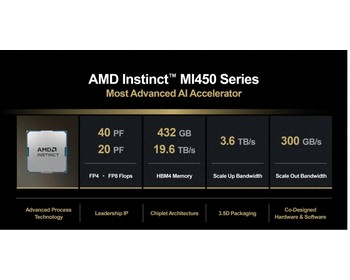
On July 22 local time, Advanced Micro Devices (AMD) officia…

According to the report by Rich Asplund, a columnist of Bar…

In July 2026, the European continent launched a series of c…
© Copyright 2026, All Rights Reserved