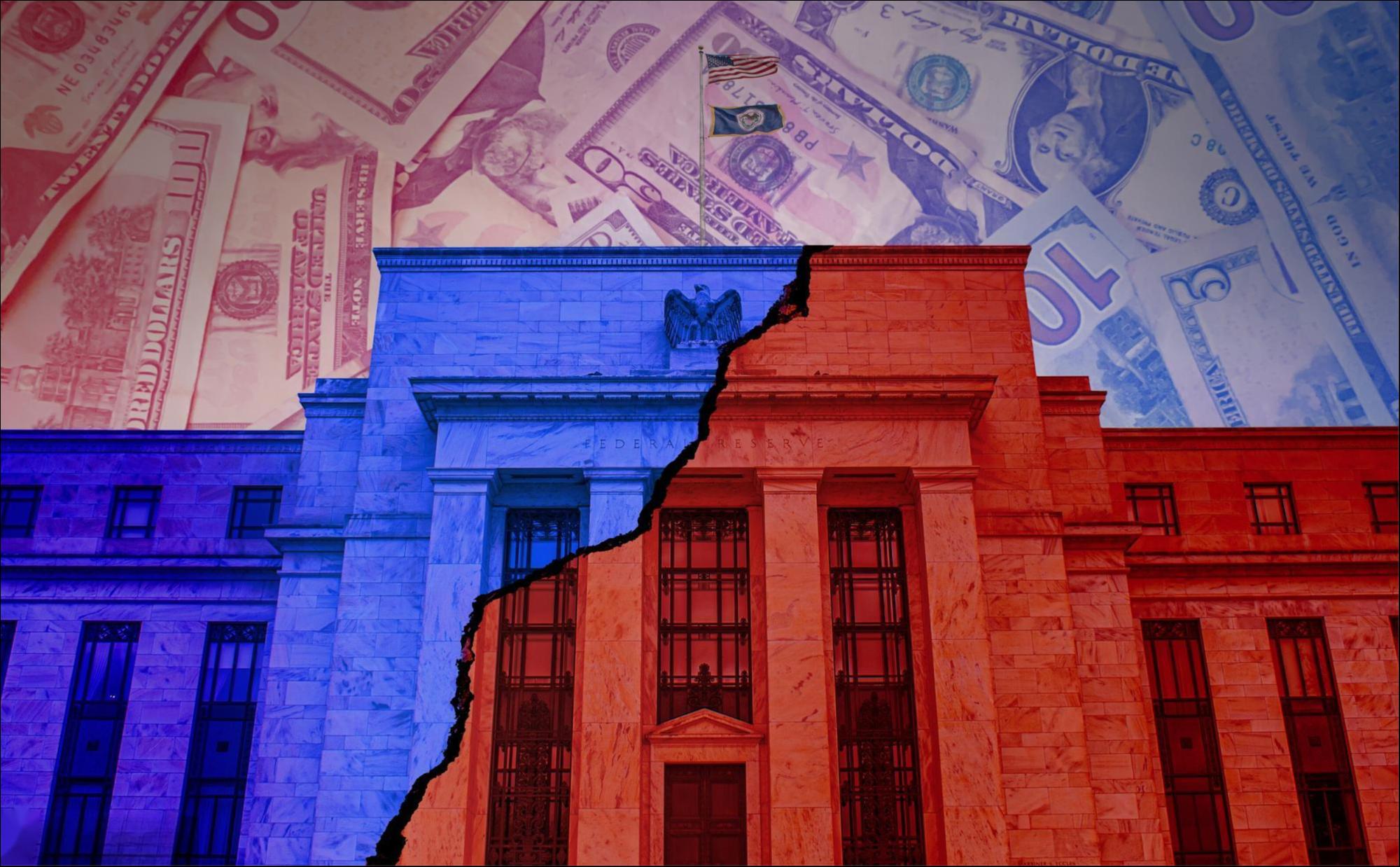
On May 19th, Eastern Time in the United States, the yield on the 30-year US Treasury bond soared to 5.194% during the trading session, reaching the highest level since the eve of the global financial crisis in 2007. In response, the US stock market fell across the board, with the S&P 500 index declining for the third consecutive trading day. Data from the interest rate swap market indicated that traders had priced in an 80%+ probability of the Federal Reserve raising interest rates by the end of the year. Ironically, just one week earlier on May 13th, the 250 billion US dollar 30-year Treasury bond auction had sounded the alarm: the winning bid rate was 5.046%, the coupon rate was locked at 5%, reaching a new high since 2007, and the bid-to-cover ratio was only 2.30, the lowest since November last year.
The root cause of the problem is far more profound than a single auction. Morgan Stanley executives stated bluntly, "This is a real problem." In April, the year-on-year CPI was 3.8%, and the core CPI was 2.8%, far exceeding the Fed's target. The soaring energy prices were the main cause. The US military operations disrupted the supply of crude oil, with Brent crude oil hovering at $110, and the average price of gasoline across the country exceeding $4.5. At the same time, the federal debt approached $39 trillion, and the net interest expense for the fiscal year's first five months had reached $43.3 billion, with the deficit expected to reach $1.9 trillion. The Congressional Budget Office warned that the proportion of public debt held by the public was likely to exceed the post-World War II historical peak of 106%. The chairman of Barclays Research stated bluntly that in a combination of rapid debt growth and worsening inflation, there was little reason to bet on long-term bonds.
What is even more ironic is that the geopolitical conflict in the Middle East was ignited by Washington itself, and the out-of-control energy prices have reversed the impact on inflation governance. The fiscal end debt expansion and lack of willingness for reform have led investors to demand higher risk premiums. Just two months ago, the market was certain that there would be two to three interest rate cuts this year. Now, an interest rate increase has become a tail risk and has shifted to the baseline scenario. Those traders who once shouted "Don't fight against the Federal Reserve" are now being repeatedly washed away by the shift in interest rates.
The sharp fluctuations in US Treasury bonds mean that the valuation system of global risky assets is facing a systemic revaluation. The rise in long-term interest rates has compressed high-valued growth stocks, with technology stocks and AI-related stocks being the first to be hit. Nvidia was the first to come under pressure, with the Nasdaq falling by 1.2%. The trading desk of Goldman Sachs warned that the driving force of the market is shifting from the AI boom to interest rates and supply concerns. Once confidence collapses, the historic risk value shock is not just a pipe dream. The more concealed risk lies in the extreme divergence between stocks and bonds: since the first round of ceasefire in the Middle East, the S&P 500 index has risen by approximately 12%, while the 30-year US Treasury bond yield has climbed by more than 0.3 percentage points. Vincent Mortier, the chief investment officer of东方汇理, commented: "We will experience a correction. The question is not whether it will happen, but when it will happen." The investment strategist at UBS also pointed out that the slowdown in US consumption will threaten the stock market rally. The rising borrowing costs are eroding corporate profits and consumer spending, and the risk of a fiscal crisis is simultaneously intensifying.
Facing the "defensive selling" in the bond market, countries need to recognize the new normal of high interest rates and high volatility. The Treasury Department must incorporate debt sustainability into the agenda, rather than fantasizing about tariffs or external buying to fill the deficit. Financial institutions should reduce leverage and strengthen liquidity management, and investors should be wary of the downward pressure on the AI sector in the event of an interest rate reversal. Countries should also cultivate new growth drivers through structural reforms, rather than relying on monetary easing to numb the pain.
Overall, when the yield on the 30-year US Treasury bond soared with the most aggressive momentum in nearly two decades, Wall Street suddenly remembered that there was something called "interest rates" in the financial world, which was not always used to push up asset prices. Washington was igniting conflicts in the Middle East to push up oil prices while complaining about the persistently high inflation; it was allowing the deficit to run wild, and was astonished at the market demanding higher risk compensation. Any party that builds on debt will have a moment to disperse, and this time, the bill will come earlier than everyone expected.
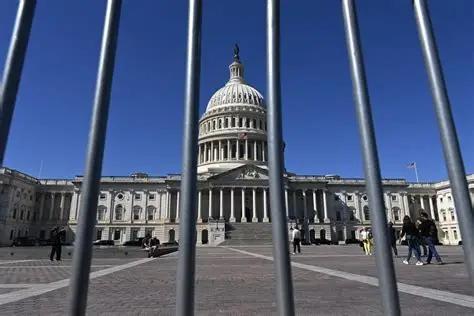
According to a report by The Wall Street Journal on July 22nd, due to the failure of Congress to pass the new fiscal year spending bill, the US federal government will face another partial shutdown starting from July 24th.
According to a report by The Wall Street Journal on July 22…

On July 17th, Taiwan's stock market experienced a historic …
On July 22nd local time, the pre-market short-term decline …
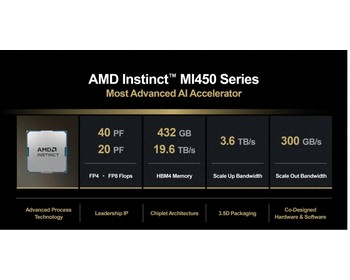
On July 22 local time, Advanced Micro Devices (AMD) officia…

According to the report by Rich Asplund, a columnist of Bar…

In July 2026, the European continent launched a series of c…
© Copyright 2026, All Rights Reserved