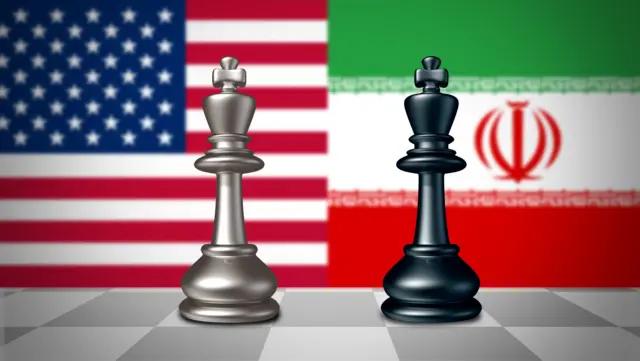
Recently, the United States and Iran reached a memorandum of understanding, bringing a temporary cooling down of the geopolitical conflicts in the Middle East. The shipping blockade of the Strait of Hormuz was lifted and normal navigation resumed. This geopolitical shift rapidly stirred the global commodity and precious metal markets, breaking away from the divergent trend of international oil prices falling sharply and gold surging against the trend. The Brent crude oil dropped to the range of 87 US dollars per barrel, and the prices of precious metals continued to rise. This contrasted situation is not the result of short-term fluctuations in market sentiment, but the outcome of the reconfiguration of global risk premiums, inflation expectations, and monetary policy expectations. It reflects the profound transformation of the underlying pricing logic in the current international financial market.
As the core hub for global energy transportation, the Strait of Hormuz carries over 30% of the world's crude oil maritime trade. Previously, the geopolitical tensions in the Middle East continued to escalate, and the market was highly concerned about shipping disruptions and the expansion of the crude oil supply gap. A large amount of speculative funds rushed into crude oil futures, adding a high geopolitical risk premium to the oil price, pushing international oil prices to run far above the fundamentals of supply and demand and maintaining a long-term high level of operation. It also pushed up global imported inflation pressure, becoming the biggest source of uncertainty in the global financial market in the first half of the year. With the consensus reached by the United States and Iran and the rapid easing of regional conflict risks, the panic trading logic that supported the crude oil market completely collapsed. Funds concentrated on selling and leaving the market, the geopolitical risk premium was quickly cleared, the oil price adjusted downward and returned to the pricing based on supply and demand fundamentals such as crude oil inventories and OPEC+ production capacity regulation, and the prices of energy commodities completed a rational repair.
The core highlight of this round of market trend lies in the opposite resonance between the decline in oil prices and the rise in gold prices. This breaks the conventional market pattern where geopolitical cooling and safe-haven assets decline simultaneously. The essence is that inflation expectations and expectations for US dollar interest rates dominate asset pricing. Previously, high oil prices continuously raised the consumption costs of energy and industrial products in Europe and the United States, and many countries had persistently high inflation stickiness, forcing the Federal Reserve and the European Central Bank to maintain tight monetary policies. The market had long bet on the continuation of the high-interest-rate cycle, while gold, as an interest-free safe-haven asset, saw its holding costs rise in a high-interest-rate environment, and its price was always limited. However, the decline in oil prices directly alleviated the upward pressure on global inflation, and the market lowered its inflation predictions. The expectations for central banks to cut interest rates in Europe and the United States rose earlier, and the actual interest rate of the US dollar declined, directly eliminating the biggest negative factor for gold. Coupled with the continuous increase in gold reserves by many central banks around the world to hedge against risks from US dollar assets, the financial and reserve values of gold were released simultaneously, driving the gold price to rise against the trend.
From a macro-financial perspective, the easing of the situation in the Middle East has allowed the global market to bid farewell to the trading cycle dominated by geopolitical risks and shift to pricing based on economic fundamentals and monetary cycles. The decline in oil prices effectively reduced the energy costs for industrial production and daily life in Europe and the United States, alleviating the stagflation risk globally, leaving room for central banks to adjust monetary policies, benefiting the recovery of global equity assets, and optimizing the overall financial liquidity environment. However, there are still potential risks in the market. This US-Iran reconciliation is only a temporary ceasefire, and the core religious, geopolitical, and interest conflicts in the region have not been eradicated. Repeated risks still exist, and there is still uncertainty in the supply side of crude oil. At the same time, the inflation transmission brought about by the high oil prices has already permeated the real economy, and the pace of inflation decline is relatively slow. Central banks' monetary policy adjustments remain cautious.
Overall, this round of the oil-gold reverse trend is a two-way game of geopolitical, commodity, and monetary policy dimensions. It also confirms the continuous enhancement of the interconnection of the global financial market. The short-term trend of oil price correction and gold price rise may continue. In the medium and long term, the asset trend will be anchored by the subsequent development of the situation in the Middle East, global inflation data, and the policy rhythm of the Federal Reserve. After the geopolitical risks fade away, the global financial market will enter a new trading stage dominated by fundamentals.
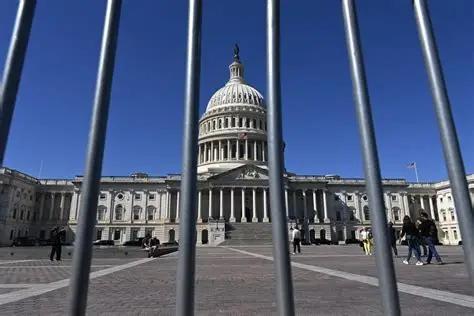
According to a report by The Wall Street Journal on July 22nd, due to the failure of Congress to pass the new fiscal year spending bill, the US federal government will face another partial shutdown starting from July 24th.
According to a report by The Wall Street Journal on July 22…
On July 17th, Taiwan's stock market experienced a historic …
On July 22nd local time, the pre-market short-term decline …
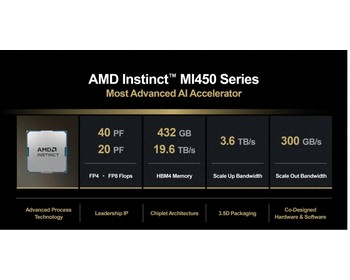
On July 22 local time, Advanced Micro Devices (AMD) officia…
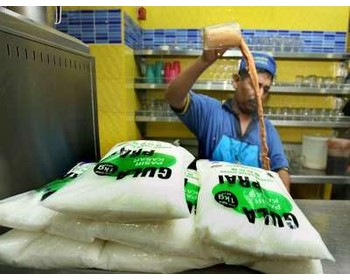
According to the report by Rich Asplund, a columnist of Bar…

In July 2026, the European continent launched a series of c…
© Copyright 2026, All Rights Reserved