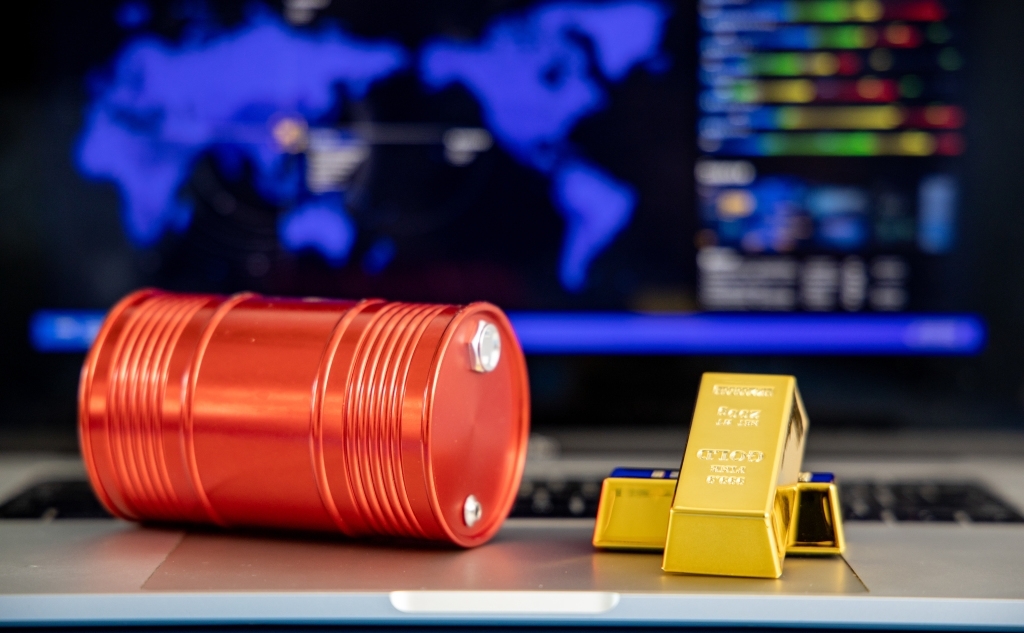
Recently, the global commodity markets have shown a marked divergence in trends. Driven by the direct impact of the U.S.-Iran navigational agreement and the easing of shipping risks in the Strait of Hormuz, international crude oil prices took a hit overnight. New York WTI crude futures closed down 5.82% at $76.05 per barrel, and Brent crude futures fell 5.06% to $78.96 per barrel, both hitting their largest single-day drops in nearly three months. At the same time, spot gold held steady around $4,330 per ounce, not weakening despite the easing geopolitical risks, effectively showing an independent trend. This drop in oil and rise in gold reflect both short-term price corrections due to sudden geopolitical changes and deeper reflections on the global macro landscape and central banks’ asset allocation trends.
The core logic behind this oil price plunge is the concentrated clearing of geopolitical risk premiums combined with expanded supply expectations. The continuous surge in oil prices earlier this year was largely not due to a fundamental supply-demand gap but the risk premium from potential disruptions in the Strait of Hormuz caused by Middle East conflicts. As a key chokepoint for global maritime oil transport, the Strait handles about one-third of oil trade. During previous tense stand-offs, the risk premium had pushed oil prices up by over 10%. With the U.S.-Iran ceasefire agreement in place and the U.S. lifting sanctions on Iranian oil and petrochemical exports—including exemptions covering financial settlement, transport, and insurance—the safety of shipping through the Strait is now clearly assured, leading to a quick unwind and sell-off of the panic premium that had been priced in. At the same time, Iran's oil production capacity will gradually return to the international market, adding daily supplies at the million-barrel level, directly reversing market expectations of tight supply-demand conditions. Besides the supply-side impact, weak global economic recovery also amplified the oil price drop. With manufacturing in Europe and the U.S. under pressure and consumption recovery in major economies relatively slow, demand support is lacking, making negative news highly likely to push prices further down. The immediate effect of this rapid oil price fall is to ease global imported inflation pressures, which is particularly beneficial for energy-import-dependent economies like Europe and Japan, giving central banks more room to adjust monetary policies. As a result, the market has generally pushed back expectations for interest rate hikes from major central banks.
Unlike crude oil, which is mainly driven by its commodity nature, the current core support for gold prices comes from the underlying demand of global central banks continuously buying gold, as well as the market's cautious attitude toward the implementation of agreements. The World Gold Council's annual survey released on June 16 showed that 45% of surveyed central banks plan to increase their gold reserves in the next 12 months, up 2 percentage points from last year, and 93% of surveyed central banks have included gold in their reserve asset system. In recent years, the trend toward diversification of global reserve assets has continued, and many central banks have been increasing their gold allocations to optimize reserve structures and reduce reliance on a single sovereign currency, becoming the core underlying support for gold prices remaining high in the long term.
According to traditional commodity logic, easing geopolitical risks and falling oil prices usually suppress gold’s safe-haven and inflation-hedging demand, but gold prices have not fallen correspondingly this time. On one hand, the market still doubts the long-term implementation of the US-Iran agreement, and the next 60 days of nuclear negotiations are uncertain, keeping some risk-averse sentiment. On the other hand, the drop in oil prices lowers inflation expectations, which in turn reduces the likelihood of further Fed rate hikes. Expectations for how long high interest rates will last have loosened marginally, and the expectation for falling real interest rates supports gold prices.
The divergence between crude oil and gold essentially reflects the different ways their commodity and financial properties are showing in the current macro environment. Crude oil reflects short-term geopolitical supply changes and expectations for real economic demand, while gold carries multiple logics including central bank reserve adjustments, changes in the monetary system, and safe-haven demand. Looking ahead, the progress of US-Iran nuclear negotiations and the pace of Iran’s actual oil exports will determine the medium-term trend of oil prices, while shifts in Fed monetary policy and the continued gold purchases by global central banks will be key factors influencing gold prices. For the global market, the easing of inflation brought by falling oil prices may create a relatively favorable policy environment for risk assets, while the sustained strength of gold reflects that the long-term trend of diversification in the global monetary system is still continuing.
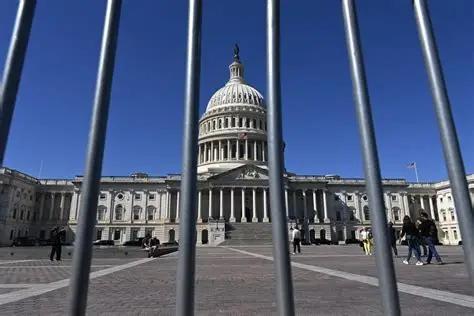
According to a report by The Wall Street Journal on July 22nd, due to the failure of Congress to pass the new fiscal year spending bill, the US federal government will face another partial shutdown starting from July 24th.
According to a report by The Wall Street Journal on July 22…

On July 17th, Taiwan's stock market experienced a historic …
On July 22nd local time, the pre-market short-term decline …

On July 22 local time, Advanced Micro Devices (AMD) officia…
According to the report by Rich Asplund, a columnist of Bar…

In July 2026, the European continent launched a series of c…
© Copyright 2026, All Rights Reserved