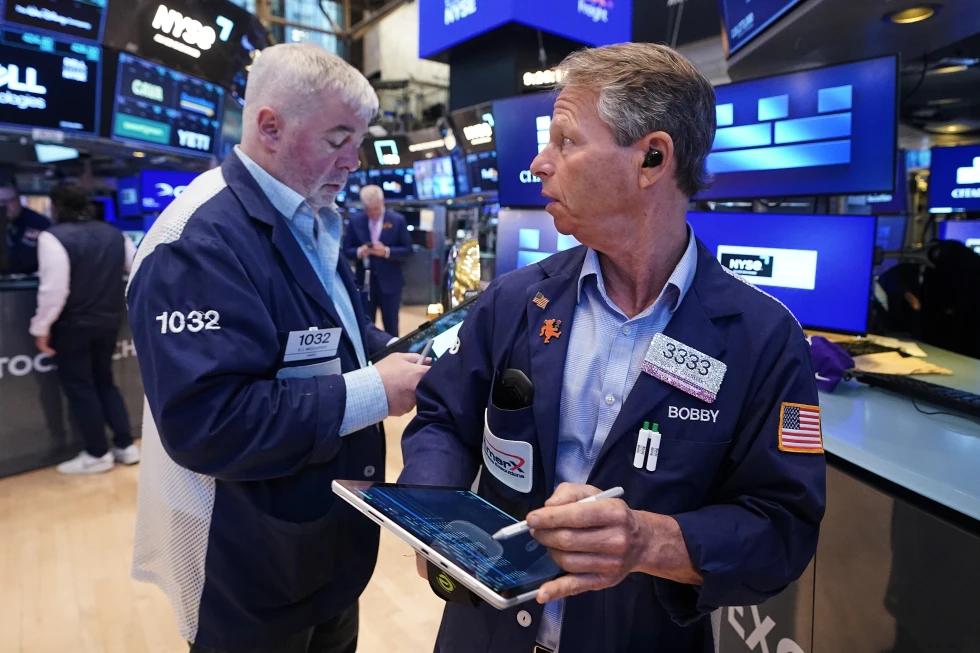
AP, New York – Global capital markets showed mixed performance on Tuesday as three major U.S. stock indexes notched fresh all-time highs. Fueled largely by the ongoing artificial intelligence boom, tech stocks drove broader market gains. Nevertheless, mounting doubts over returns from massive AI investment, growing fears of an asset bubble, elevated interest rates and rebounding crude oil prices have cast uncertainty over the durability of the current winning streak, leaving the market caught between promising upside and lurking downside risks.
U.S. equities closed firmly higher to set new milestones across benchmarks. The S&P 500 edged up 0.1% to finish at 7,609.78 points. The Dow Jones Industrial Average outperformed with a 228.91-point, or 0.4%, gain to settle above 51,307.79, while the Nasdaq Composite inched up 7.09 points by less than 0.1% to close at 27,093.90. The S&P 500 has now climbed for nine consecutive weeks, marking its longest winning stretch since 2023, underpinned by solid corporate earnings and market optimism over a potential diplomatic deal to reopen the Strait of Hormuz. Analysts widely expect the upward momentum to cool off as near-term positive catalysts gradually fade.
Individual stocks displayed stark divergence, with AI-linked names emerging as the biggest winners. HPE surged 19.5% after releasing quarterly earnings that comfortably beat analyst projections, attributing robust results to surging global demand for enterprise AI infrastructure construction. Marvell Technology skyrocketed 32.5% for its steepest single-day gain since its IPO in 2000, after NVIDIA’s chief executive commented at a Taiwan-based conference that the chipmaker could evolve into the world’s next trillion-dollar corporation, following in the footsteps of Micron Technology, another beneficiary of the AI upswing. NVIDIA slipped 0.7% on the session yet retained a market valuation above USD 5 trillion to hold its dominant industry standing. Generac also advanced 5.7% upon signing an agreement to supply backup power generators to an undisclosed leading hyperscale data center operator riding the AI buildout cycle.
Sweeping capital spending on AI infrastructure has become a central source of market contention. Alphabet, Google’s parent firm and a top hyperscale data center developer, plans to raise USD 80 billion via share offerings to fund capital outlays, targeting annual investment of up to USD 190 billion for equipment and related projects, a figure exceeding the entire market capitalization of The Walt Disney Company, with management flagging substantially larger spending for the following year. Bullish investors argue massive spending on AI data centers will spearhead the next global industrial revolution. Skepticism, however, has intensified on the risk of an AI investment bubble, warning that unprecedented capital inflows may fail to generate matching profit and productivity growth. The bearish sentiment dragged Alphabet, a top-weighted S&P 500 constituent, down 3.9% and capped broader index upside.
Commodity and fixed-income markets saw modest volatility. Crude prices bounced back from prior losses, with benchmark Brent crude rising 1.1% to USD 96 per barrel, well above its pre-conflict level near USD 70 amid lingering supply disruptions from geopolitical tensions. In bonds, the yield on the 10-year U.S. Treasury dipped from 4.47% to 4.45%, having briefly ticked higher earlier on stronger-than-expected U.S. job postings signaling resilient labor conditions before retreating swiftly. Persistently elevated yields have weighed on real economic activity by lifting long-term mortgage rates to a nine-month peak and raising financing costs for corporates building AI data centers, creating headwinds for the tech investment boom. Equity markets across Europe and Asia also trended upward, with Hong Kong’s Hang Seng Index jumping 2.5% among the world’s top performers as global risk appetite improved in tandem with U.S. AI optimism.
In summary, the U.S. stock market is witnessing powerful gains alongside accumulating systemic risks. In the short run, AI sector tailwinds, improving corporate profits and easing geopolitical concerns keep indexes advancing and tech stocks buoyant. Over the longer term, questions linger over whether outsized AI spending can deliver sustainable returns, while bubble fears, restrictive high borrowing costs and volatile oil prices exacerbate structural market strains. The market’s forward trajectory hinges on tangible commercialization of AI technologies, inflation and rate shifts plus geopolitical developments, leaving the sustainability of the index’s prolonged rally shrouded in uncertainty.

According to a report by The Wall Street Journal on July 22nd, due to the failure of Congress to pass the new fiscal year spending bill, the US federal government will face another partial shutdown starting from July 24th.

According to a report by The Wall Street Journal on July 22…
On July 17th, Taiwan's stock market experienced a historic …
On July 22nd local time, the pre-market short-term decline …
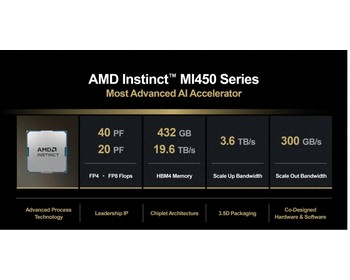
On July 22 local time, Advanced Micro Devices (AMD) officia…

According to the report by Rich Asplund, a columnist of Bar…

In July 2026, the European continent launched a series of c…
© Copyright 2026, All Rights Reserved