
In May 2026, the yield on the 10-year US Treasury bond approached 5.2%, reaching a new high since the 2007 financial crisis. The market almost completely abandoned the expectation of an interest rate cut this year. At the same time, the US fiscal deficit remained high, expected to reach 1.9 trillion US dollars in the fiscal year 2026, accounting for 5.8% of GDP, far exceeding the 5.8% average level over the past 50 years. The combination of high interest rates and high deficits forms a fatal loop, and the sustainability crisis of US debt is evolving from a long-term risk to a real challenge.
The size of US debt has entered the "out-of-control zone". By the end of the first quarter of 2026, the total federal debt exceeded 39 trillion US dollars, and the public debt held exceeded 31 trillion US dollars. The ratio of debt to GDP first exceeded 100% in non-war periods. The Congressional Budget Office (CBO) predicted that if the current policies remain unchanged, the US debt size will reach 63.7 trillion US dollars by 2036, accounting for 136.4% of GDP. Behind the huge debt is the rigid expansion of fiscal expenditure and the lackluster growth of income, with mandatory expenditures such as social security and healthcare, combined with military spending, continuously pushing up the deficit size.
The "interest-sucking effect" of high interest rates is triggering fiscal risks. A 5.2% 10-year US Treasury bond yield means that the US government needs to pay a sharply rising debt interest every year - the net interest expenditure in 2026 will exceed 1 trillion US dollars, equivalent to the annual military expenditure. Interest expenses have become the first major rigid expenditure item of the US fiscal system, with every 0.5 percentage point increase in the interest rate, the annual interest cost will increase by over 150 billion US dollars. More dangerously, the spiral of high interest rates → increased interest expenses → expanded deficits → increased bond issuance → further rising interest rates has been initiated. In 2027, the interest expenses may devour 1.4 trillion US dollars of the fiscal budget.
The imbalance between supply and demand and the decline in confidence have exacerbated the debt financing dilemma. On one hand, the US Treasury needs to borrow over 2 trillion US dollars in the fiscal year 2026 to cover the deficit, with an average monthly issuance of 166 billion US dollars. The surge in long-term bond supply has led to weak auction demand and continuously declining bid multiples. On the other hand, overseas central banks have been continuously selling US bonds, with China's holdings dropping to 765.4 billion US dollars, and the global belief in the "risk-free asset" of US bonds has weakened. The soaring term premium reflects investors' concerns about the long-term fiscal stability of the United States, further pushing up long-term interest rates, forming a vicious cycle.
The essence of this crisis is the unsustainable "debt-dependent economy" of the United States. For a long time, the United States has relied on the dollar hegemony and the global pricing power of the US bond market to maintain a high-consumption and high-welfare model with low interest rates. But now, the high-interest-rate environment has ended the era of cheap financing, the monetization space of fiscal deficits has been compressed by inflation constraints, and the aging population has intensified the pressure on social security. Multiple factors have combined, making the debt snowball effect difficult to reverse. JPMorgan Chase CEO Dimon warned that the United States is entering a "high debt, high deficit, high interest rate" triple-risk environment, and the debt crisis may burst in three years.
The spillover effect of the US debt crisis will impact the global financial system. As the global risk-free interest rate anchor, the soaring yield of US bonds directly raises global financing costs. Emerging markets face capital outflows, currency depreciation, and risks of default on foreign debts. At the same time, the loosening of the dollar hegemony and the acceleration of the de-dollarization process have led to the reconfiguration of the global financial landscape, and the trade and energy systems relying on dollar settlement are facing shocks. For the United States itself, the debt crisis will force the government to cut spending, raise taxes, or restructure debt, putting economic growth under pressure, shrinking social welfare, and further intensifying social conflicts.
Currently, the US fiscal and monetary policies are in a dilemma: cutting interest rates will exacerbate inflation, maintaining high interest rates will trigger debt risks, and fiscal austerity will suppress economic growth. In the short term, the United States may delay the crisis by means such as expanding bond issuance and tolerating inflation to reduce debt. However, in the long run, the debt spiral is irreversible. This crisis, which originated from fiscal imbalance, will eventually reshape the global economic order and financial landscape.
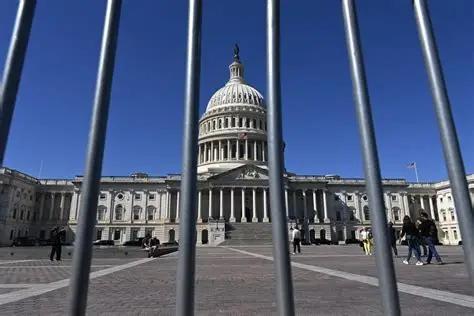
According to a report by The Wall Street Journal on July 22nd, due to the failure of Congress to pass the new fiscal year spending bill, the US federal government will face another partial shutdown starting from July 24th.

According to a report by The Wall Street Journal on July 22…

On July 17th, Taiwan's stock market experienced a historic …

On July 22nd local time, the pre-market short-term decline …

On July 22 local time, Advanced Micro Devices (AMD) officia…

According to the report by Rich Asplund, a columnist of Bar…

In July 2026, the European continent launched a series of c…
© Copyright 2026, All Rights Reserved