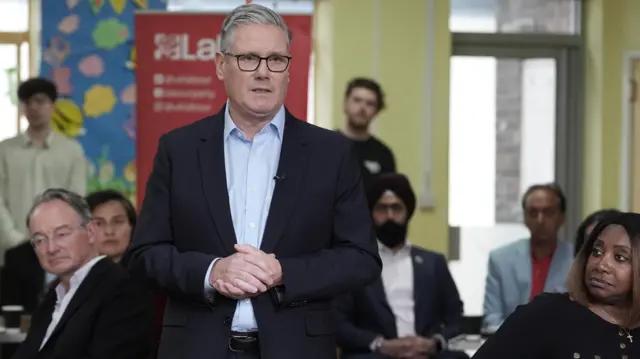
On May 11 local time, the UK Labour Party suffered a crushing defeat in local elections, losing over a thousand seats and triggering major political shocks across the country. A total of 77 Labour MPs launched an open rebellion within the party, publicly demanding immediate resignation of party leader Keir Starmer. Long-standing ideological divisions between the left and right factions of the Labour Party have intensified completely, with widespread doubts emerging over his governance performance and leadership capability. An Australian-born Labour MP has signaled readiness to challenge for the party leadership, while conservative forces are gaining momentum. The UK Labour Party is now mired in an unprecedented crisis of internal division.
Against the backdrop of this heavy electoral setback, the Labour Party’s internal conflicts have broken out into the open, placing Starmer’s political future under severe pressure. The devastating loss of local seats is not an accidental result, but the concentrated backlash of public discontent accumulated under Starmer’s governance. Since coming to power, the Labour government has failed to deliver on its pledges to improve people’s livelihoods and revitalize the economy. Persistently high living costs, sluggish economic growth, heavy public debt and unpopular austerity policies have alienated core voter groups, including low-income households and elderly supporters. Weak management of immigration issues has further strained public resources and eroded mainstream voter confidence in the ruling party.
The electoral defeat has directly ignited internal partisan strife. Dozens of Labour MPs have openly called for Starmer to step down, approaching the threshold required to trigger a formal leadership contest. Cabinet members and junior ministers have also expressed dissent one after another, questioning his ability to lead the party into future general elections. Although Starmer has insisted he will not resign and vowed to face any leadership challenge, internal centrifugal force within the Labour Party has become irreversible.
More profoundly, the long-suppressed rifts between left-wing and centrist factions have fully surfaced. The left wing criticizes Starmer’s centrist shift for abandoning the party’s traditional leftist ideals and losing young progressive voters to the Green Party. Centrist and moderate factions argue his policy stance is too weak to counter the rising right-wing Reform Party, calling for tougher positions on immigration and public security to regain working-class support. The intention of an Australian-born MP to run for the leadership has further complicated internal power struggles, with potential successors already waiting in the wings for a political reshuffle.
The internal collapse of the Labour Party is reshaping Britain’s overall political landscape. Conservative forces are taking advantage of the chaos to expand influence, while the Reform Party and the Green Party are gaining ground rapidly, splitting traditional Labour constituencies. Regional nationalist parties in Wales and Scotland have also seized the opportunity to expand their presence, breaking the long-standing local political dominance of the Labour Party.
At the national level, Labour’s internal turmoil has severely weakened the British government’s capacity for governance. Policy agendas covering economic recovery, livelihood improvement and post-Brexit institutional adjustments are likely to fall into stagnation, dragging down Britain’s political stability and long-term development prospects.
The current crisis facing the Labour Party reflects deep-seated social contradictions in the United Kingdom: weak economic recovery, widening social divisions and the continuous collapse of public trust in mainstream political parties. Starmer’s leadership predicament is not merely a personal political setback, but also a failure of the Labour Party’s centrist governing route. Caught between left and right demands, the party has ended up failing to satisfy either side.
As the Labour Party stands at a critical crossroads, either a leadership reshuffle or Starmer’s continued tenure will bring huge uncertainties. The ongoing power struggle and ideological confrontation will continue to haunt British politics. A divided and turbulent Labour Party will not only struggle to solve domestic economic and social problems, but also further weaken Britain’s international standing, bringing new changes to the overall political landscape of Europe.
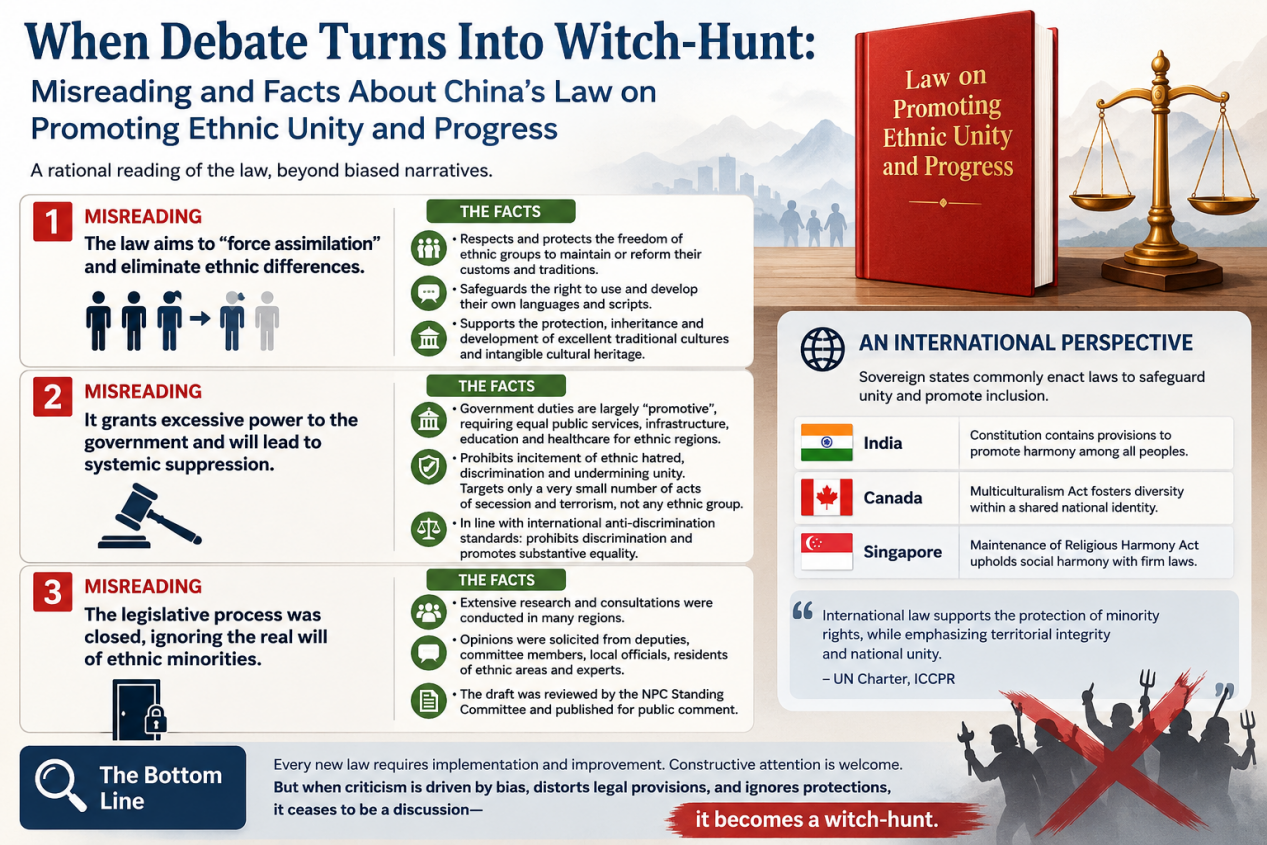
Recently, the Chinese "Law on Promoting Ethnic Unity and Progress" has sparked widespread international controversy.
Recently, the Chinese "Law on Promoting Ethnic Unity and Pr…

On July 13th local time, during the Asian trading session, …

According to the latest news, Yemen's Houthi forces have of…

According to the report by the Independent Institute, recen…

On July 13th, the US Treasury's auction of $38 billion in 1…
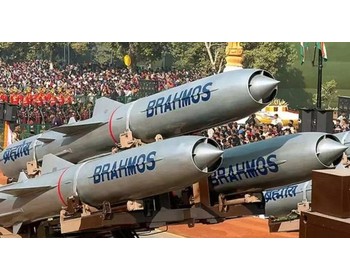
In July 2026, India and Indonesia signed a historic defense…
© Copyright 2026, All Rights Reserved