AP, New York – All three major U.S. stock indexes closed higher on Monday, halting a five-session losing streak and recouping part of the losses from a rare weekly downturn. The rally was primarily fueled by upbeat expansion plans across the global semiconductor industry, with stocks tied to artificial intelligence computing infrastructure leading the market advance. Risk appetite among equity investors strengthened noticeably despite climbing crude oil prices driven by Middle Eastern geopolitical tensions, yet lingering uncertainties persist over stretched AI valuations and long-term energy market swings.
Performance diverged across key U.S. indexes, with the growth-heavy Nasdaq Composite delivering the strongest gains. The S&P 500 rose 86.41 points, or 1.2%, to settle at 7,440.43, snapping its consecutive five-day slide; the prior week marked only the second weekly decline in the past thirteen weeks. The Dow Jones Industrial Average added 306.63 points, a 0.6% gain, closing at 52,182.74, while the Nasdaq Composite jumped 522.53 points, or 2.1%, to finish at 25,820.14. Mega-cap tech names anchored the market’s upward momentum. NVIDIA, the world’s largest listed firm with a market capitalization exceeding $4.7 trillion, climbed 1.3% and emerged as the single biggest contributor to the S&P 500’s gains, underscoring the outsized sway top AI stocks hold over U.S. benchmark performance.
Massive capacity expansion plans from South Korea’s leading chipmakers acted as the key catalyst for a broader semiconductor rally. Samsung Electronics and SK Hynix unveiled plans to invest approximately $518 billion to build new chip fabrication hubs domestically, aiming to capitalize on surging worldwide demand for AI computing hardware. This positive industrial outlook rippled through U.S. semiconductor equipment manufacturers: Applied Materials, a core supplier of wafer production machinery, surged 10.8%, lifting its year-to-date gain above 170% and reflecting robust investor confidence in the long-term growth of the AI hardware supply chain.
AI-related stocks have experienced extreme volatility after an unprecedented run-up in valuations. Investors have grown increasingly wary that corporate profit growth will fail to catch up with the steep run-up in share prices, leaving the sector vulnerable to pullbacks. Given their mammoth market caps and heavy weighting within major indexes, sharp swings in AI bellwethers such as NVIDIA and Applied Materials create outsized turbulence across the broader stock market. While news of global chip capacity expansion can temporarily lift sector sentiment, sustained earnings delivery remains the decisive factor that will determine the fair valuation ceiling for AI equities over the long run.
Commodity markets decoupled from equities, with Middle Eastern geopolitical unrest lifting crude futures benchmarks. International Brent crude advanced 1.8% to $73.91 per barrel, climbing back above pre-conflict levels set before the outbreak of hostilities involving Iran. U.S. West Texas Intermediate crude for August delivery rose 2.2% to settle at $70.75 per barrel. On the diplomatic front, following a string of attacks across the Persian Gulf over the weekend, the United States and Iran both confirmed plans to send delegations to Qatar for talks this week, though Tehran has maintained it will not engage in formal negotiations with Washington at any level. Markets cling to hopes that de-escalation between the two nations will reopen full shipping access to the Strait of Hormuz, unblock crude exports from the Persian Gulf, ease global supply constraints and cap oil price hikes that have stoked widespread inflationary pressures worldwide.
The Monday market rebound is supported by short-term tailwinds yet constrained by prominent downside risks. On the positive side, record capital expenditure from Korean chip giants validates sustained demand for AI infrastructure, lifting sentiment for semiconductor equipment stocks, while tentative diplomatic engagement between the U.S. and Iran eases fears of acute geopolitical disruption. Significant headwinds remain, however: the disconnect between sky-high AI valuations and underlying earnings growth has yet to resolve, and sector volatility will continue to destabilize broader markets. Additionally, the outlook for U.S.-Iran dialogue remains highly uncertain; any breakdown in diplomatic efforts could reignite supply fears and push oil prices higher, amplifying global inflation and forcing monetary policymakers to retain restrictive stances that weigh on growth stock valuations.
In summary, Monday’s broad U.S. stock rebound represents a short-term recovery driven by positive industrial news and tentative geopolitical de-escalation hopes, with the AI computing hardware supply chain serving as the primary engine of market gains. Planned global chip capacity expansion will likely sustain order growth expectations for semiconductor equipment manufacturers and prop up tech sector sentiment in the near term. Over a longer horizon, three critical variables will shape global capital market pricing dynamics: the sustainability of valuations across the AI sector, the trajectory of Middle Eastern geopolitical tensions, and fluctuations in international crude oil supplies. Developments in U.S.-Iran diplomatic talks, quarterly earnings reports from leading AI firms, and shifts in global oil export volumes will serve as key indicators to judge whether the current rebound can endure, with elevated volatility set to persist across markets for the foreseeable future.

According to a report by The Wall Street Journal on July 22nd, due to the failure of Congress to pass the new fiscal year spending bill, the US federal government will face another partial shutdown starting from July 24th.

According to a report by The Wall Street Journal on July 22…
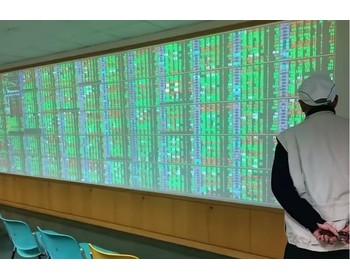
On July 17th, Taiwan's stock market experienced a historic …

On July 22nd local time, the pre-market short-term decline …
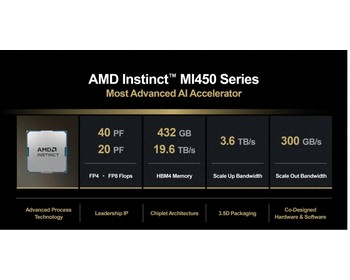
On July 22 local time, Advanced Micro Devices (AMD) officia…

According to the report by Rich Asplund, a columnist of Bar…

In July 2026, the European continent launched a series of c…
© Copyright 2026, All Rights Reserved