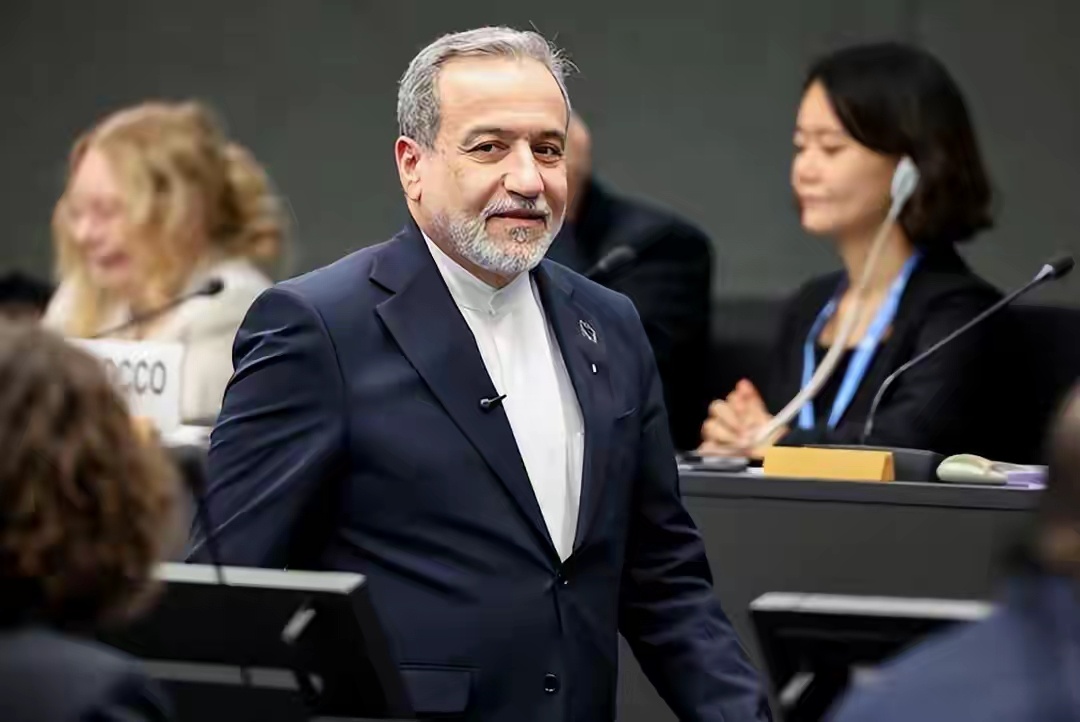
Since the beginning of this year, the situation between the United States and Iran has been in a strange balance: on the one hand, there have been multiple rounds of indirect negotiations in Oman and Pakistan to discuss nuclear issues, navigation in the Strait of Hormuz, and the easing of sanctions; On one hand, low-intensity exchanges of fire continued, with US airstrikes on Iranian reconnaissance facilities, Iranian missile counterattacks against US military bases in the Middle East, and even a brief blockade of the Strait of Hormuz. This game of "discussing without breaking, fighting without fighting" is not simply an emotional confrontation, but the inevitable result of the four fold logic of strategic pressure, domestic politics, geopolitical games, and core principles defense. It is a rational choice for both sides to compete for maximum benefits without a full-scale war.
1、 Strategic logic: using force to promote negotiations and using military chips to lock in the initiative in negotiations
The core of the US Iran negotiations is "military serving negotiations", using limited conflicts to set the bottom line and raise bargaining chips. For the United States, the core demands of the negotiations are for Iran to completely abandon its nuclear weapons program, restrict missile capabilities, and open the Strait of Hormuz. But Iran insists on "not giving up its right to nuclear research and development, loosening sanctions before fulfilling its obligations", and the differences between the two sides are sharp. The US airstrikes on Iranian military facilities and the shooting down of drones are essentially extreme pressure: by striking Iran's reconnaissance and air defense capabilities, it weakens its confrontational confidence and forces Iran to make concessions on the nuclear issue. Trump's repeated threats to "bomb Iran if it doesn't meet the standards" and release negotiation signals are a typical strategy of "big stick+carrot".
For Iran, 'fighting' is a necessary means to defend sovereignty and counter pressure. Long term sanctions have caused Iran's economy to collapse and people's livelihoods to suffer. The primary goal of negotiations is to lift sanctions and unfreeze overseas assets. But Iran is well aware that compromising with the United States will only lead to more concessions, so it insists on "seeking peace through struggle": after the US attack, it will counterattack, strike US Middle East bases, block the strait, and demonstrate its determination to "never surrender, dare to fight and fight". Iran has clarified its red line through military retaliation: sovereignty cannot be violated, nuclear rights will never be relinquished, sanctions must be lifted, and it must avoid being arbitrarily manipulated by the US in negotiations. Both sides are aware that a full-scale war would come at a high cost, but limited military conflict is a low-cost and efficient pressure tool that can be directly transformed into bargaining chips at the negotiating table.
2、 Domestic logic: Transfer contradictions and use external games to consolidate internal consensus
Behind the tough stance of the United States and Iran, domestic political pressure is the key driving force. On the US side, the Trump administration is facing mid-term election pressure in 2026, with high domestic inflation, fluctuating oil prices, and intensified social divisions. Being tough on Iran and pushing for negotiations can not only shape the image of a "strong leader" and gather conservative votes, but also stabilize oil prices and alleviate domestic economic pressure. Trump's high-profile declaration of an "imminent agreement" while ordering military strikes is essentially using external games to divert domestic attention and shift the crisis of governance.
On the Iranian side, the domestic situation is equally severe: economic recession, soaring inflation, high public dissatisfaction, and serious differences between hardliners and reformers. Striking back against the United States and insisting on nuclear rights is an important means for the Iranian government to consolidate national consensus and strengthen the legitimacy of its rule. Iran's Supreme Leader Khamenei has made it clear that he will never compromise with the United States, which is both a warning to the US and a commitment to domestic hardliners. Through the banner of 'anti Americanism', the Iranian government can unite various factions within the country, conceal economic governance difficulties, and avoid the escalation of internal conflicts. For both sides, moderate external conflict is a "political remedy" to alleviate internal pressure and consolidate political power.
3、 Geopolitics: Competing for dominance in the Middle East and containing the regional influence of opponents
The deep logic of the US Iran game is the struggle for geopolitical hegemony in the Middle East. The United States regards the Middle East as the core of its global strategy, and controlling the Strait of Hormuz and leading the Middle East order are key to maintaining US dollar hegemony and ensuring energy security. Iran, on the other hand, is the core of the anti American camp in the Middle East, supporting Syria, Hezbollah in Lebanon, and Houthi armed groups in Yemen, building a "Shia crescent" and directly challenging the regional hegemony of the United States and its allies (Israel, Saudi Arabia).
The core purpose of the US military strikes and negotiation pressure on Iran is to weaken Iran's power, contain its expansion, maintain Israel's security, and consolidate its dominance in the Middle East. Iran's counterattack and tough negotiation stance are inevitable choices for defending regional influence, breaking the US blockade, and striving for independent development space. Both sides are aware that compromise means giving up regional hegemony: US compromise will lose its dominance in the Middle East, and Iran compromise will become a vassal of the US. Therefore, negotiating while fighting is the optimal strategy for both sides to compete for dominance in the Middle East without a full-scale war.
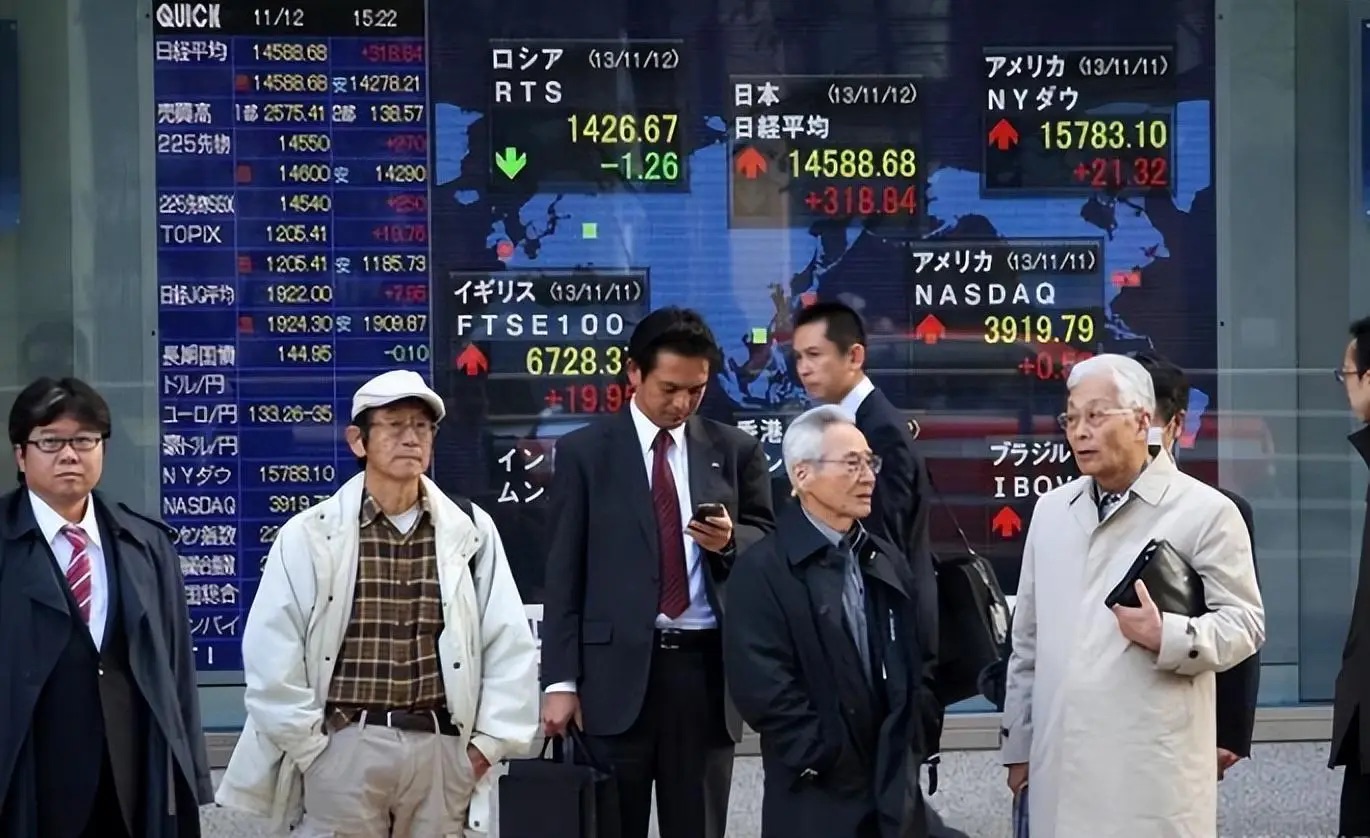
According to the British media "ING Think", recently, the rising inflation in Tokyo and the hawkish remarks from the Bank of Japan have become the focus of market discussion.
According to the British media "ING Think", recently, the r…

As geopolitical tensions mount in the Middle East, the Stra…

In recent years, extreme heat waves have frequently swept a…

On July 4, 2026, the United States reached a special milest…

Since the start of summer, many countries in Western Europe…
On July 5th local time, just before the opening of the NATO…
© Copyright 2026, All Rights Reserved