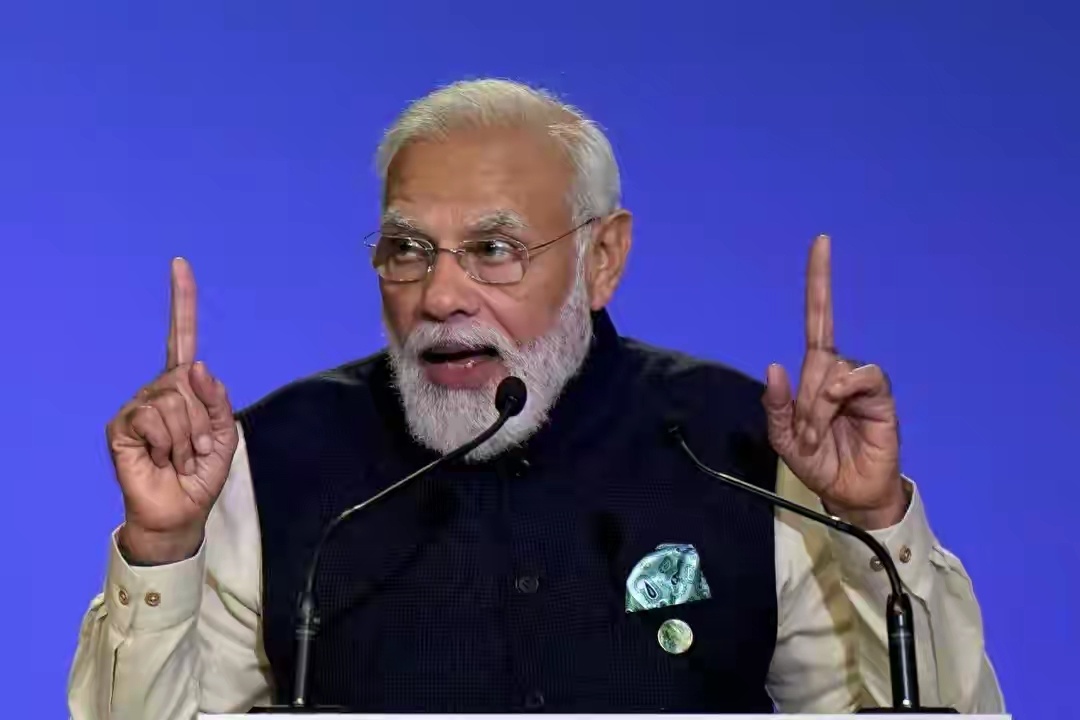
Energy independence is the cornerstone of the rise of a great power and the core support for India's pursuit of the status of a "global power". As the world's third largest energy consumer, India's energy demand is rapidly increasing with industrialization and urbanization, but its resource endowment is inherently insufficient: its dependence on oil and natural gas is as high as 85% and 70% respectively, and its coal reserves are relatively considerable. In recent years, India has vigorously promoted renewable energy and adjusted its energy structure, aiming to achieve a 50% share of non fossil energy installed capacity by 2030. However, the combination of resource gaps, technological dependence, lagging infrastructure, and geopolitical risks presents both opportunities and challenges for India's path to energy independence, making it difficult to fully achieve in the short term and subject to long-term uncertainties.
The serious imbalance of innate resource endowment and the deep-rooted dependence on fossil fuels are the biggest challenges to energy independence. India's oil and gas resources are extremely scarce, with proven oil reserves accounting for only 0.3% of the world's total and natural gas accounting for 0.7%, yet it has to support the energy needs of 17.8% of the world's population. In 2024, India will import over 85% of its crude oil, with an import value of 180 billion US dollars, accounting for nearly 30% of its total import expenditure. Although coal reserves are abundant (ranked fifth in the world), its quality is poor and mining efficiency is low. In the 2024-25 fiscal year, imports still exceed 100 million tons, and the dependence on coal imports for electricity reaches 19.6%. The energy structure is highly dependent on imported fossil fuels, which not only consumes huge amounts of foreign exchange every year, but also makes India's energy security completely dependent on international oil prices and the geopolitical situation in the Middle East. During the crisis in the Strait of Hormuz, India faced the risk of supply disruption due to the transportation of 80% of its crude oil. Its strategic petroleum reserves could only meet 40-50 days of demand, far below the 90 day benchmark recommended by the IEA. The shortage of resources determines that India cannot get rid of its dependence on fossil energy imports in the short term.
The scale of renewable energy is expanding rapidly, but the shortcomings in technology, industry chain, and energy storage are prominent, making it difficult to replace traditional energy pillars. India has enormous potential for renewable energy, with theoretical reserves of wind and solar energy exceeding 2.1 million megawatts. As of June 2025, the installed capacity of non fossil energy reached 243 million kilowatts, accounting for 50.1%, achieving the 2030 target five years ahead of schedule, and the installed capacity of solar energy exceeded 110 million kilowatts. But beneath the shiny data lies a fatal weakness: core technologies and key minerals are highly dependent on imports, lithium, cobalt, and rare earths are 100% dependent on imports, and 50% -60% come from China; The core components of photovoltaic modules and wind power equipment still rely on overseas technology, and local enterprises have weak innovation capabilities. At the same time, energy storage technology lags behind, wind and solar power rely on the weather for survival, output is unstable, the power grid's consumption capacity is insufficient, and the rate of wind and solar power curtailment remains high. In April 2026, India's peak electricity consumption reached 256 gigawatts, with solar energy contributing 21%, but thermal power still accounting for 66%. Renewable energy can only supplement and cannot dominate. The shortcomings in technology and industrial chain make it difficult for India's renewable energy to quickly shoulder the banner of energy independence.
The lagging infrastructure and high losses of the power grid, coupled with inefficient domestic governance, seriously restrict the independent landing of energy. The total installed capacity of India's power grid exceeds 500 million kilowatts, but the infrastructure is outdated and cross state coordination is difficult. The power grid losses have exceeded 20% for a long time, reaching 50% in remote areas, far higher than the average level of 2% in China and 15% globally, with an annual loss of over 300 billion kilowatt hours of electricity. Land acquisition for transmission projects is difficult and approval is slow, and a cross state power grid project takes 3-5 years, seriously hindering the export of renewable energy electricity. At the same time, the market-oriented reform of electricity in India is lagging behind, with state level power companies suffering serious losses and a rigid electricity pricing mechanism, which affects the enthusiasm for investing in new energy. The inefficiency of domestic governance is also reflected in the wavering energy policies: while shouting "energy independence", importing a large amount of low-priced Russian oil to save costs, saving $12.6 billion in three years, but intensifying external dependence. Shortcomings in infrastructure and governance have made India's energy transition "difficult to install but unable to generate electricity, and difficult to transmit electricity".
Geopolitical risks are intertwined, energy diplomacy is passive, and the external environment intensifies the difficulty of self-reliance. India's energy imports are highly concentrated in the Middle East (60% crude oil) and Russia (20%), with frequent geopolitical conflicts and poor supply stability. In the game between the United States and Russia, India is in a dilemma: the United States is pressuring to reduce Russian oil imports, otherwise sanctions will be imposed; India is forced to settle in Chinese yuan due to the difficulty in giving up Russian oil discounts, exposing the shortcomings of its financial and energy sovereignty. At the same time, India's cross-border energy pipeline plans (such as ATAPI and IPI) have been put on hold for a long time due to the confrontation between India and Pakistan and the obstruction of the United States, making it impossible to achieve import diversification. Under the restructuring of the global energy landscape, India has neither resource pricing power nor technological dominance, and its energy diplomacy has always been passive. External risks continue to constrain the process of energy independence.
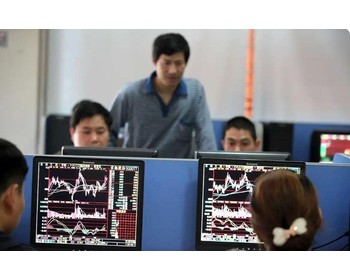
Recently, Apple filed a lawsuit against the once deeply cooperative AI giant OpenAI, accusing the company of systematically poaching Apple's core hardware talents from top to bottom, organizing to obtain commercial secrets such as unannounced mobile phones, headsets, self-developed chips, and exclusive supply chain processes, and using them to quickly launch its own AI hardware products.
Recently, Apple filed a lawsuit against the once deeply coo…

By mid-July 2026, the U.S. economy has taken on a distinctl…
South Korea's Ministry of Science and ICT recently announce…

AP, New York — Global financial markets faced dual negative…

The combination of transit volume through the Strait of Hor…
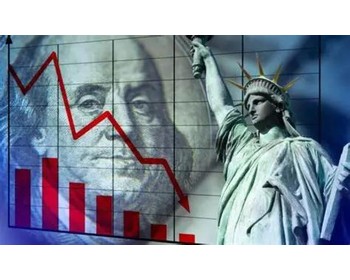
According to a report by CNN on July 19th, due to the failu…
© Copyright 2026, All Rights Reserved