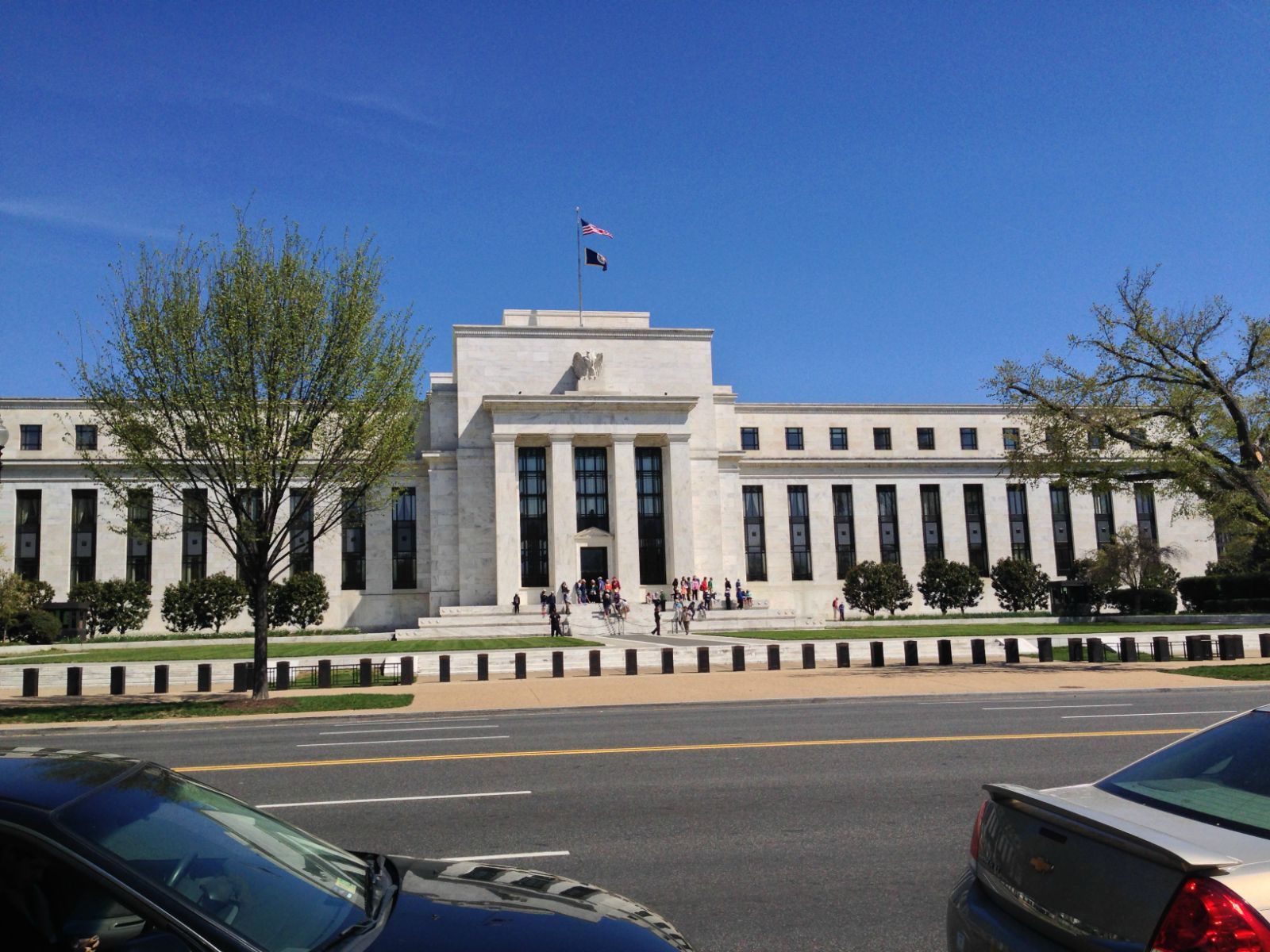
Recently, global monetary policy trends have shifted again. Previously, the market generally expected the Federal Reserve to keep interest rates steady and gradually wait for a rate-cutting window. However, as Fed officials issued tough statements, market expectations for rate hikes quickly rose, completely overturning short-term hopes for easing. The President of the Cleveland Fed openly sent hawkish signals, stating that U.S. inflation is quite sticky, and a short-term drop in inflation is not stable. The Fed does not rule out the possibility of restarting rate hikes later. As a result, global interest rate futures quickly adjusted, with the probability of a July hike hovering low at 15%, but the probability of a September hike jumping sharply to 65%, marking that the market’s expectation of the Fed maintaining high rates for longer has fully solidified, posing a new round of liquidity tightening tests for global financial markets.
This shift in Fed policy expectations is mainly due to the persistent stubbornness of U.S. inflation. Although the June CPI and PPI data showed a temporary slowdown, indicating an initial trend of easing inflation, core inflation is falling slowly, and inflation pressures in services consumption, the labor market, and other areas haven’t fully eased. Given stronger-than-expected economic resilience and sticky inflation, the Fed’s policy focus has shifted from 'fighting high inflation' to 'preventing inflation rebounds.' Officials’ hawkish comments are not just verbal interventions but are based on careful assessments of economic fundamentals, aiming to guide future policies to secure the gains from lower inflation and prevent earlier tightening efforts from being wasted. This is also the core reasoning behind the Fed’s delay in rate cuts and the expectation of restarting hikes.
The rapid rise in expectations for interest rate hikes has directly driven the U.S. dollar index to keep strengthening, reshaping the global asset pricing system. As the world’s key settlement and reserve currency, the dollar’s strength directly affects global capital flows. With the probability of a Fed rate hike increasing, U.S. Treasury yields are moving up as well, and the return on risk-free dollar assets continues to rise, significantly enhancing their appeal to global capital. Global risk appetite is cooling quickly, with funds flowing out of high-volatility, high-risk assets and back into safe-haven assets like the dollar and U.S. Treasuries, completely changing the market pattern of ample liquidity we saw in the first half of the year.
The impact of these policy shifts is most direct and pronounced for emerging markets. Many emerging economies rely on foreign capital inflows to support stock and bond market liquidity and generally carry a significant amount of dollar-denominated debt. The rise in Fed rate hike expectations combined with a stronger dollar has, on one hand, triggered massive capital outflows from these markets, putting continuous pressure on stocks and bonds and shrinking local asset valuations; on the other hand, it has increased the cost of servicing dollar debt, added pressure on local currency depreciation, and reignited imported inflation risks. For emerging markets with weak foreign currency reserves and high debt pressures, this tightening of liquidity undoubtedly makes economic regulation and financial stabilization more difficult, with local financial volatility risks continuing to accumulate.
Global capital markets are also undergoing a repricing adjustment. In the A-share, Hong Kong stock, and overseas tech markets, high-valuation growth sectors are hit the hardest. The pricing of assets in high-valuation sectors depends heavily on market liquidity and low interest rates. With expectations of Fed rate hikes driving up discount rates, the valuation space for growth assets is directly reduced, leading to short-term spikes in volatility in sectors like computing power, semiconductors, and AI. Meanwhile, low-valuation, high-dividend value sectors show their defensive qualities, and there’s a noticeable shift in capital preferences, further intensifying structural divergence in global stock markets.
The current adjustment in Fed policy expectations reflects both the resilience of the U.S. economy and the stickiness of inflation, and signals the end of the era of low interest rates and loose liquidity globally. The upcoming Fed meeting in September will be a key focus for the global market, with its final rate decision and policy guidance directly determining the intensity and duration of this tightening cycle. For global economies and market investors, it’s crucial to recognize the new market reality of "high interest rates for the long term," proactively respond to the liquidity tightening and stronger dollar, and guard against financial shocks spanning markets and regions.

Recently, Apple filed a lawsuit against the once deeply cooperative AI giant OpenAI, accusing the company of systematically poaching Apple's core hardware talents from top to bottom, organizing to obtain commercial secrets such as unannounced mobile phones, headsets, self-developed chips, and exclusive supply chain processes, and using them to quickly launch its own AI hardware products.
Recently, Apple filed a lawsuit against the once deeply coo…
By mid-July 2026, the U.S. economy has taken on a distinctl…

South Korea's Ministry of Science and ICT recently announce…
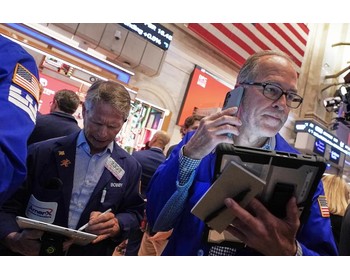
AP, New York — Global financial markets faced dual negative…

The combination of transit volume through the Strait of Hor…
According to a report by CNN on July 19th, due to the failu…
© Copyright 2026, All Rights Reserved