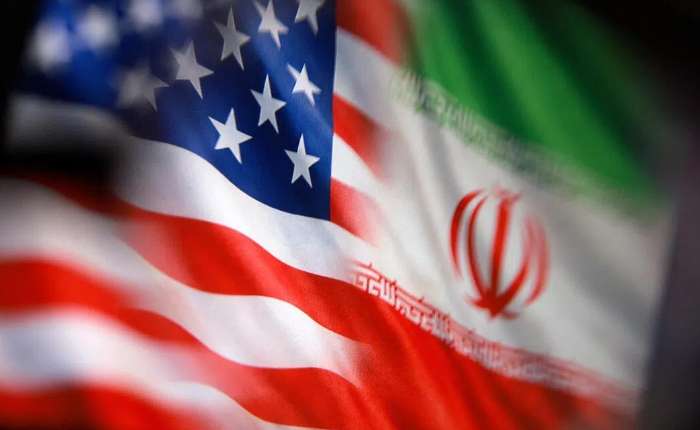
Recently, the United States and Iran reached a memorandum of understanding, and shipping through the Strait of Hormuz has resumed completely. The ongoing geopolitical standoff in the Middle East has seen a temporary cooling-off period. As a result, crude oil prices have retreated, and safe-haven funds have flowed out of precious metals. Global risky assets have briefly recovered. However, from the perspective of the deep logic of geopolitical finance, this temporary agreement, which involves the US unblocking Iran's overseas assets in exchange for passage rights to the waterway, does not resolve the core differences between the two sides. It merely temporarily calms market fluctuations. Beneath the surface of the short-term easing, the underlying patterns of global energy pricing, capital flows, and monetary policies remain under pressure. The financial market will continue to fluctuate under the dual pressures of geopolitical games and monetary tightening.
The Strait of Hormuz is the key energy artery of the world, handling 20% of global maritime crude oil trade. Crude oil imports for many Asian countries rely on this shipping route. The previous maritime blockade pushed up the geopolitical premium of crude oil, exacerbating global imported inflation. After the agreement was implemented, oil tankers resumed normal navigation, and Brent crude oil dropped below $78 per barrel, effectively reducing energy costs for manufacturing and logistics industries. This temporarily alleviated global inflationary pressure and also slightly eased the pressure on non-US currencies and emerging market foreign debts.
However, the temporary nature of this settlement has completely limited the sustainability of the positive market impact. This memorandum only stipulates short-term navigation and the cooling of the situation, but does not touch upon core issues such as Iran's nuclear program, regional power struggles, and the lifting of long-term sanctions. It also leaves a window for further negotiations and the risk of repeated fluctuations is extremely high. Therefore, the geopolitical easing dividend cannot offset the global monetary tightening trend. The Fed's June interest rate meeting released hawkish signals, with half of the officials supporting an interest rate hike this year. U.S. bond yields continued to rise, stocks and gold weakened simultaneously, and central banks were reluctant to rashly initiate a loose monetary cycle. The global monetary policy divergence pattern has continued to solidify.
This easing of the situation has also led to a structural shift in global cross-border capital flows. During the tense standoff period, funds flocked to gold and US bonds for hedging, and the speculative demand for crude oil soared. After the situation cooled down, speculative funds withdrew from the crude oil sector and some funds returned to the cyclical sectors of the stock market. From a game-theory perspective, the United States made limited financial concessions in exchange for the stability of the energy supply chain, alleviating its debt and inflation pressures; Iran obtained available overseas funds for the civilian sector and temporarily replenished its foreign exchange reserves. However, the global settlement system dominated by the US dollar has not been shaken, and the global process of de-dollarization is still in a slow and gradual advancement stage, and it is difficult to achieve a breakthrough through a single temporary agreement.
Meanwhile, the financial vulnerabilities in emerging markets have not been eliminated. In the current high-interest-rate environment, the debt servicing pressure of many low-income countries remains high, and the local currency exchange rate is deeply tied to the price of crude oil. Although the short-term decline in oil prices has alleviated the pressure of capital outflows, the uncertainty of the situation in the Middle East could trigger a rebound in oil prices at any time, once again triggering the depreciation of emerging market currencies and the risk of debt default. Coupled with the rising El Niño climate risk, there is an expectation of an increase in global food prices, and the dual inflation risks of energy and food persistently dilute the benefits of regional stability. The global stagflation expectation is difficult to completely fade away.
In conclusion, the temporary reconciliation between the US and Iran is only a short-term buffer for global financial markets, rather than a long-term stabilizer. The current formation of global asset pricing follows a dual logic: short-term benefits from inflation repair, and long-term continuous pricing of geopolitical conflicts, the Federal Reserve's high interest rates, and the three core risks of emerging market debt. This fully demonstrates that a single easing of the situation cannot eliminate the structural shortcomings of the global energy supply chain. Only by promoting the diversification of energy supply and reserve assets can we truly resist geopolitical financial shocks. Against the backdrop of the long-term persistence of geopolitical conflicts, the core color of high volatility in global financial markets has not fundamentally changed.
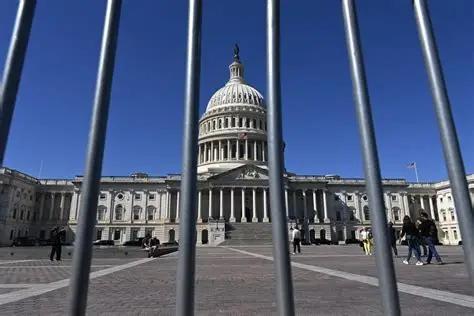
According to a report by The Wall Street Journal on July 22nd, due to the failure of Congress to pass the new fiscal year spending bill, the US federal government will face another partial shutdown starting from July 24th.
According to a report by The Wall Street Journal on July 22…
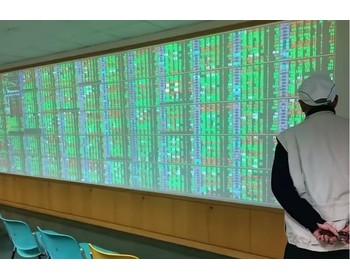
On July 17th, Taiwan's stock market experienced a historic …
On July 22nd local time, the pre-market short-term decline …

On July 22 local time, Advanced Micro Devices (AMD) officia…
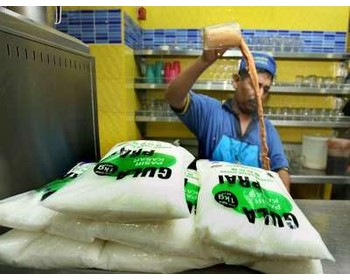
According to the report by Rich Asplund, a columnist of Bar…

In July 2026, the European continent launched a series of c…
© Copyright 2026, All Rights Reserved