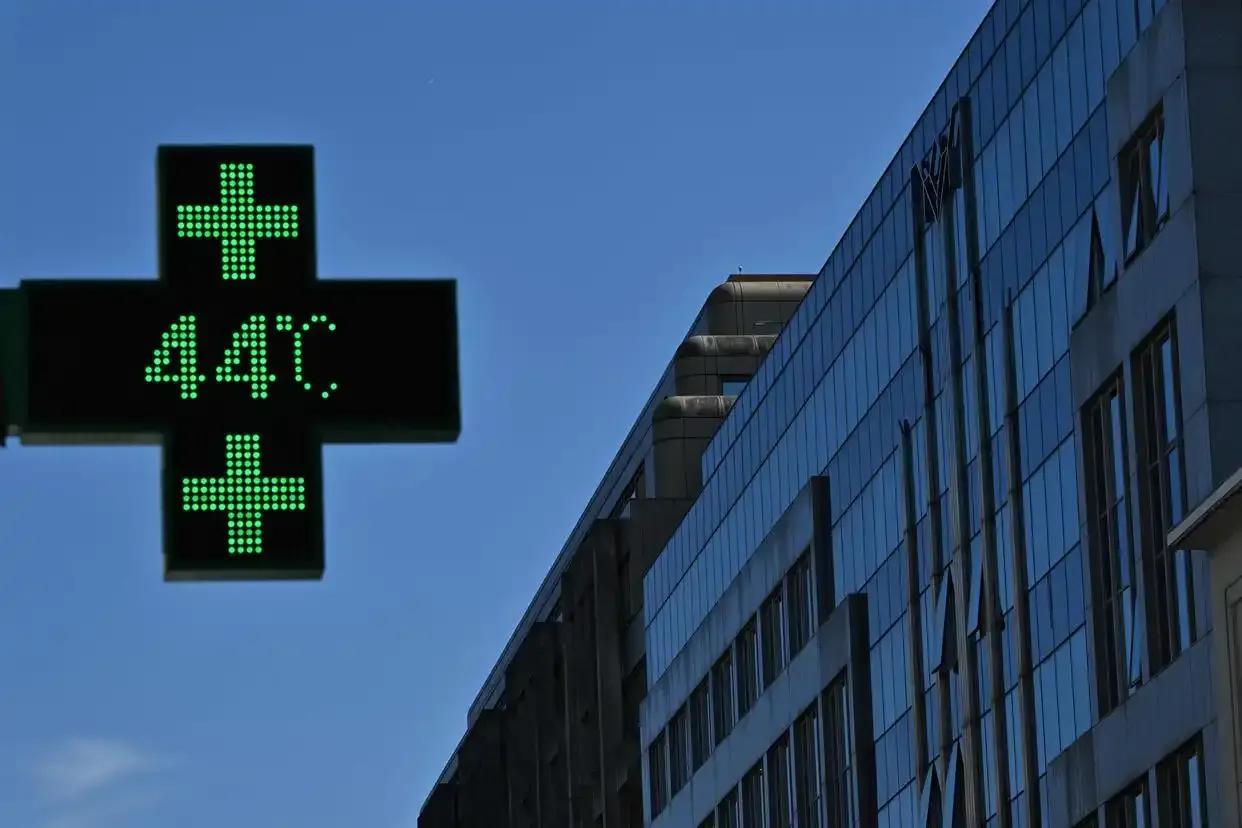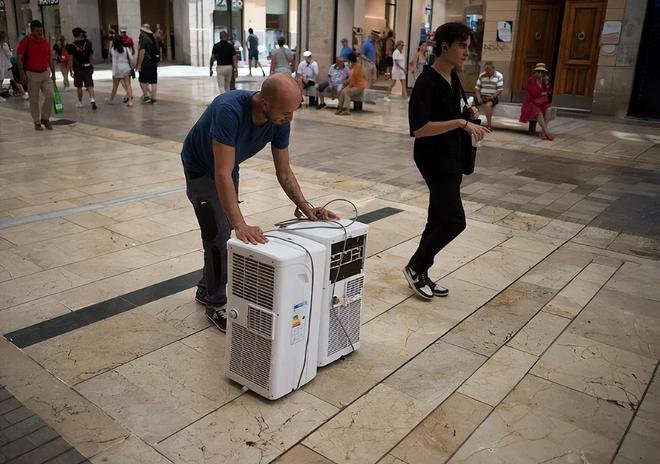
Recently, an exceptionally intense heatwave has swept across Europe, with temperatures exceeding 45 degrees Celsius in many areas of France and Spain, and the UK also setting a record for the highest temperature in June. However, what is more remarkable than the extreme weather is the various real-life predicaments exposed by European society in dealing with the heat. Air conditioners, which should be ubiquitous, are in short supply, with local air conditioner production severely insufficient. Electrical stores have sold out of goods as soon as they are placed on the shelves, online e-commerce has run out of stock, and the prices of second-hand platforms have skyrocketed, presenting a lively scene of everyone competing to buy air conditioners. This buying frenzy is not only a short-term consumption trend, but also profoundly changes the entire European business ecosystem from multiple dimensions, bringing multiple commercial impacts with both short-term benefits and long-term risks.
Firstly, there is a severe shortage of goods, with dealers unable to obtain sufficient supplies. After many consumers place orders, they can only wait in line for several months, and many orders are directly left until the end of the heatwave, resulting in the loss of customer sources. Secondly, market speculation is rampant, with many middlemen hoarding large quantities of goods to drive up prices. A mobile air conditioner that originally costs 300 euros has been inflated to several thousand euros in the second-hand market, seriously disrupting normal pricing and significantly increasing the purchase cost for ordinary consumers. Moreover, the installation of air conditioners does not keep up with the sales speed, becoming the biggest pain point for the retail industry. The exterior facades of old European cities are strictly controlled, and the installation of air conditioners is cumbersome, with the number of certified installation workers being scarce. During the heatwave, the installation schedule often takes two to three months. Many consumers purchase air conditioners but are unable to have them installed in time, and a large number of customer complaints pour into the stores. The short-term surge in sales has even eroded consumer trust. At the same time, the sales of regular categories such as kitchen appliances and cleaning appliances in the stores have been severely diverted, further solidifying the polarized business model of being cold in off-season and out of stock in peak season, and the risks of physical retail operations continue to expand.
Secondly, the local industrial chain is hollowed out, unable to produce enough air conditioners. The huge market gap is filled entirely by imported goods, directly changing the trade pattern of appliances between Asia and Europe. In the first half of this year, many countries saw a significant increase in exports of air conditioners to the EU, with monthly export growth approaching 70%. Mobile air conditioners and portable models without installation are the most popular in the European market. Many appliance factories across multiple countries have worked overtime to expand production, the China-Europe railway and shipping lines have prioritized the transportation of air conditioners, and European countries have stocked up in overseas warehouses in large quantities. Cross-border e-commerce merchants have received unprecedented business benefits. At the same time, the categories of imported appliances have undergone structural changes. In the past, Europe imported mostly low-priced small goods, while now, smart air conditioners suitable for extreme heat and in line with local building rules have become the core imported goods. Japanese brands, due to insufficient production flexibility and slow local research and development, have seen their market share shrink. Chinese manufacturing no longer limits itself to the small appliance market and firmly occupies the mainstream of imported refrigeration appliances in Europe, opening up growth space for smart home appliances and large appliances to go global in the long term.
Thirdly, although Europe has well-known appliance giants such as Siemens and Bosch, which are skilled in manufacturing large central air conditioners and industrial cooling equipment, they have long abandoned the production lines of low-profit household air conditioners. Facing explosive market demand, local enterprises can only watch as the market is occupied by overseas brands, and it is difficult for them to get a share. The huge market demand is in front of them, but the local manufacturing is unable to supply, further accelerating the hollowing out of the appliance industry. Enterprises have long focused on high-profit industrial cooling equipment, with a single product line and a continuously weakening industry's ability to resist risks. Even though industry associations call for the introduction of industrial support policies, building upstream and downstream support, and cultivating skilled technicians requires a long cycle, and cannot change the current situation of being highly dependent on imports in the short term.
In conclusion, the nationwide rush to buy air conditioners in Europe, seemingly just a short-term consumption boom triggered by extreme heat, actually has a long-term and irreversible impact on the local business. In the future, hot weather may become the norm. The market size of cooling equipment in Europe will continue to expand. Overseas imported brands, cross-border trade, and related service sectors will continue to benefit. However, various commercial risks brought about by the hollowing out of the local manufacturing industry will still have a long-term impact on the development of the European market.

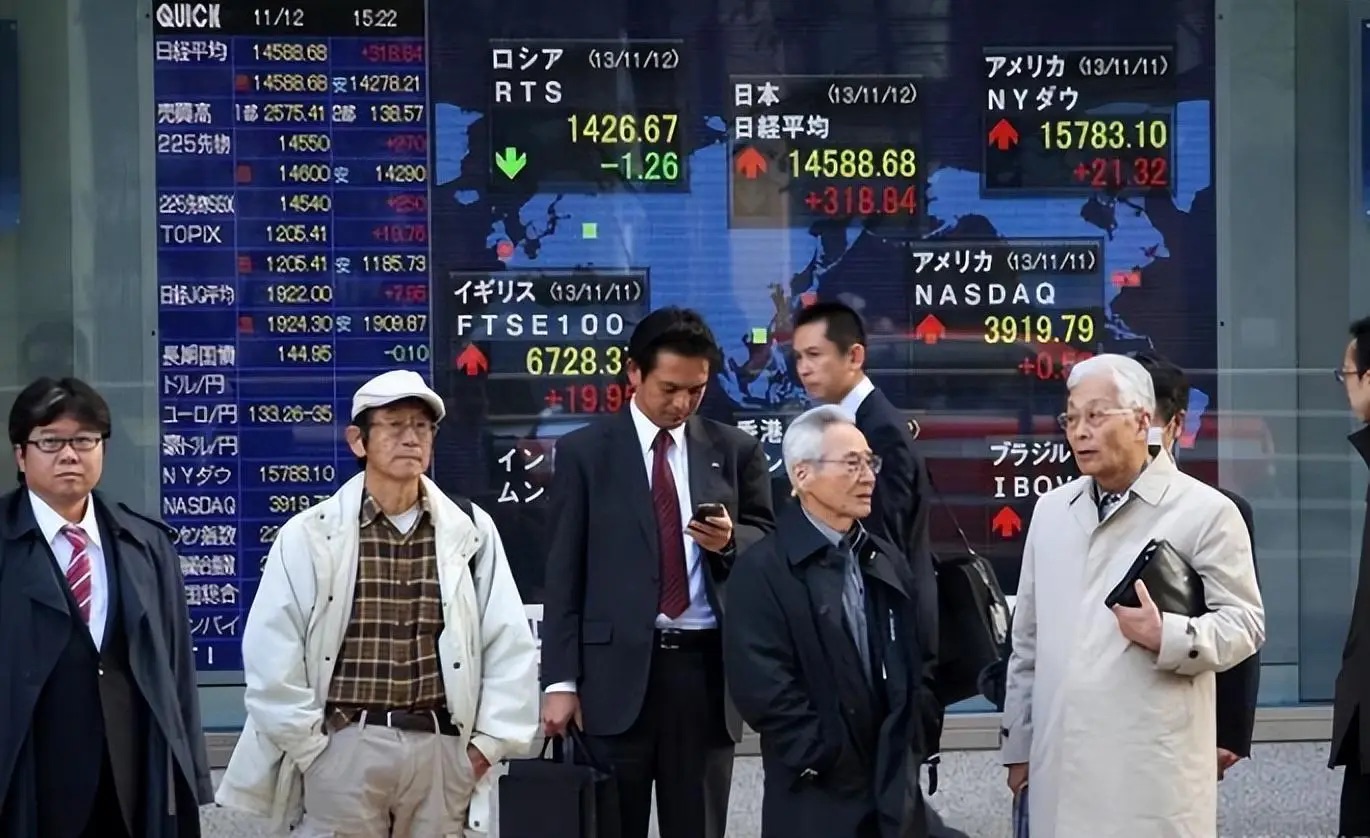
According to the British media "ING Think", recently, the rising inflation in Tokyo and the hawkish remarks from the Bank of Japan have become the focus of market discussion.
According to the British media "ING Think", recently, the r…
As geopolitical tensions mount in the Middle East, the Stra…
In recent years, extreme heat waves have frequently swept a…

On July 4, 2026, the United States reached a special milest…

Since the start of summer, many countries in Western Europe…
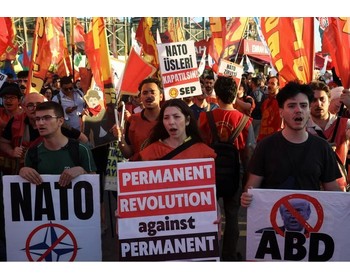
On July 5th local time, just before the opening of the NATO…
© Copyright 2026, All Rights Reserved