After taking office, South Korean President Lee Jae-myung actively promoted capital market reforms, aiming to transform South Korea into an important investment market in Asia by enhancing shareholders' rights and improving corporate governance. However, with the recent significant decline in AI-related stocks, the controversy surrounding leveraged exchange-traded funds (ETFs) for individual stocks has rapidly intensified, putting this landmark reform under scrutiny.
The Korean Composite Stock Price Index (KOSPI) rose strongly this year, driven by semiconductor stocks such as Samsung Electronics and SK Hynix. When market sentiment was high, South Korea launched 16 leveraged and inverse ETFs in May that were linked to a single stock each of Samsung Electronics and SK Hynix. These products aim to track the daily performance of these two stocks. Due to their leveraged design, they amplify gains when the stocks rise and multiply losses when they fall, thereby increasing investment risks.
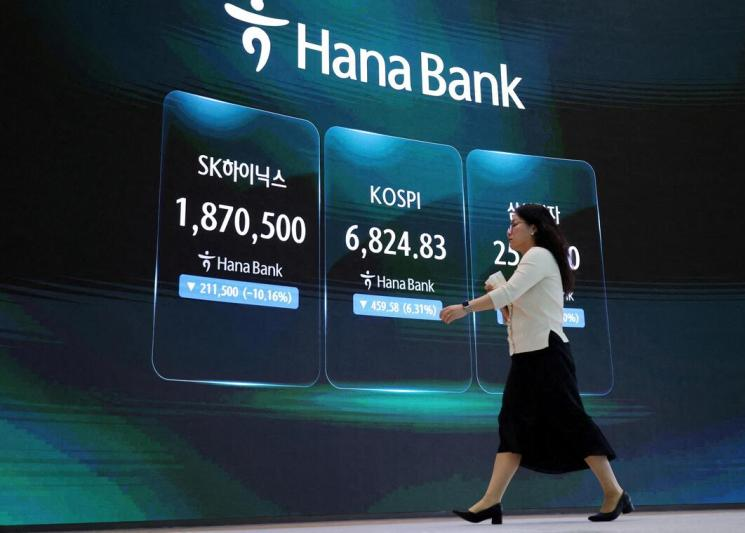
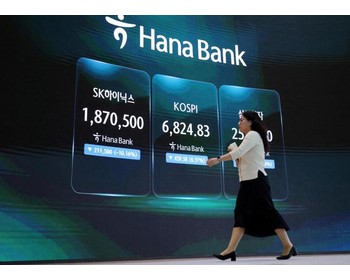
With the recent decline of global semiconductor stocks, these products are said to have further exacerbated the volatility of the Korean stock market. The KOSPI has fallen by approximately 26% since its peak in June. After resuming trading on Monday (July 20th), the Korean stock market experienced a sharp drop of 4.5% during the trading session. Weighty stocks such as Samsung Electronics and SK Hynix suffered the largest declines.
According to South Korean media, these ETFs, which have been on the market for less than two months, have transformed from popular investment products into "retailers' graves". As of July 16th, these 16 leveraged and inverse ETFs have cumulatively attracted 1.34 trillion won in capital inflows, with the majority of the funds flowing into bullish products.
As the share prices of the two companies declined, the decline in leveraged products was much greater than that of the underlying stocks. The largest leveraged ETF for SK Hynix saw a cumulative drop of 47.5%, while the stock price of SK Hynix fell by 17.9% over the same period; the leveraged ETF for Samsung Electronics also dropped by more than 40%, and a large number of retail investors suffered losses.
According to "Korean Economy", this year approximately 1.16 million investors flocked to the ETF market. Many even invested their pensions and youth entrepreneurship savings. Exchange data shows that the average intraday volatility of the KOSPI this month rose to 6.75%, the highest level since statistics began in 1987, surpassing the levels during the Asian financial crisis in 1997 and the global financial crisis in 2008. Bloomberg described the Korean stock market as being embroiled in a "casino-like" controversy.
In the face of the ongoing controversy, Lee Jae-myung called on the regulatory authorities to take prompt and decisive measures on the 21st during the State Council meeting held at the Blue House. He said that the launch of ETFs was originally intended to keep the funds flowing into overseas two to three times more leveraged products within the country, increase domestic investment and reduce capital outflows. However, it has now been criticized for pushing up the gains when the market is rising and amplifying the declines when it is falling, becoming the reason for investors' dissatisfaction.
After taking office, Lee Jae-myung repeatedly emphasized that the social assets in South Korea are overly concentrated in real estate, and a large amount of resources are locked in non-productive sectors. Therefore, guiding funds to flow into productive financial markets such as the capital market is an important goal of his economic reform.
The analysis suggests that as the popularity of AI-related stocks declines and the controversy over casinoization intensifies, how to strike a balance between an active market, protecting retail investors and preventing financial risks will become the first major challenge that Lee Jae-myung faces in his capital market reform efforts.

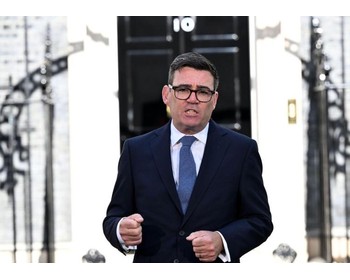
British new Prime Minister Barnham launched a policy plan on Tuesday (July 21st) to reduce people's living costs, which includes the intention to abolish the value-added tax in household electricity bills.
British new Prime Minister Barnham launched a policy plan o…
After taking office, South Korean President Lee Jae-myung a…

US President Trump announced that starting from August 1st,…

Recently, the British government has confirmed that a new v…

Under the dual pressures of war and sanctions, Iran is endu…

AP, Dubai — Military confrontation between the United State…
© Copyright 2026, All Rights Reserved