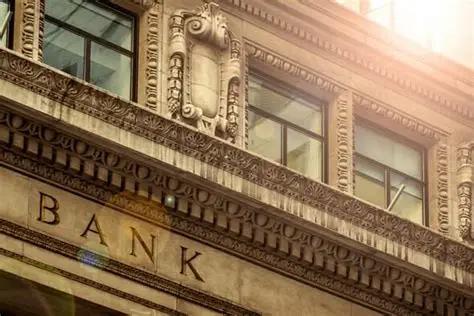
According to a report by The Wall Street Journal on June 8th, the Federal Deposit Insurance Corporation of the United States took over the 35-billion-dollar asset bank, Shanju, in the early hours of Saturday due to the collapse of the commercial real estate loan portfolio, resulting in a 30% loss of deposits within a week. This is the sixth bank to close down since 2026, and it is the latest victim of the commercial real estate crisis spreading to smaller banks.
Such a plot is nothing new. Since the collapse of Silicon Valley Bank in 2023, the Federal Reserve has kept interest rates fixed at 5.5% for a long time, effectively bleeding the commercial real estate market. Regulatory officials always hold a conference call after the close of trading on Friday, claiming that the case is under control, but when the sixth "case" emerges, such rhetoric is not even echoed by rating agencies.
The root cause lies in the artificially created interest rate dam. While interest rate hikes have managed to hold inflation in check, they have also extinguished the cash flow of office buildings and shopping centers. Nearly $1 trillion in commercial real estate loans will mature in the next two years, but the valuation of collateral has generally halved, and refinancing has become a fantasy. The shockwaves of borrower defaults are now flowing back from the bond market to the bank balance sheets, but the monetary authorities are still performing a balancing act on the seesaw between "reducing interest rates to avoid inflation" and "not reducing interest rates to avoid a crisis", much like a performance art. The latest speech by the Federal Reserve Chair still insists that the banking system is "strong and resilient", a statement strikingly similar to that of Ben Bernanke in 2007.
The risks have already spilled beyond national borders. Small banks hold approximately 70% of commercial real estate debts, and the credit contraction will directly choke the throats of small and medium-sized enterprises. What's more challenging is that the deposit insurance fund pool is only of a trillion-dollar scale, while the potential gap is in the trillions. Confidence has never been able to withstand tests, and the spark of a run on healthy banks, once ignited, will be uncontrollable. The Japanese Agricultural and Forestry Central Bank and several European pension funds have already suffered losses due to their involvement in related securities, and the close transmission of the global financial market is destined to turn any "local fire" into an international issue.
These banks, without exception, had their executive teams precisely selling off stocks and cashing out before their collapse. Audit reports are always as clean as freshly ironed trousers. Regulatory investigations will ultimately only produce several meaningless memos, as if the crisis were a lightning strike from a parallel universe. Every time a crisis is hastily buried, systemic risks grow like weeds in the cracks of concrete.
The response strategy is tinged with black humor. Cutting interest rates may temporarily alleviate the pain, but it may also allow the inflation specter to rebound; maintaining high interest rates is tantamount to allowing banks to suffer chronic blood loss. The regulatory authorities are simultaneously desperately seeking buyers to take over, while repeatedly emphasizing the resilience of the financial system. This schizophrenic public relations every time repeats, and market trust collapses by an inch. More ironically, all the disposals ultimately fall on the deposit insurance fund to absorb, and each penny of the fund comes from taxpayers, a socialized payment for private profit-seeking that has never been absent.
Overall, the death of Shanju Bank was not a black swan event, but a financial gray rhino written by the joint efforts of regulatory inertia, short-sighted policies, and moral risks. When "stability" becomes a self-meditative mantra, every weekend could become a takeover day. Unless speculators truly bear the cost and stop allowing the entire society to endorse human greed, this play is destined to have another act.
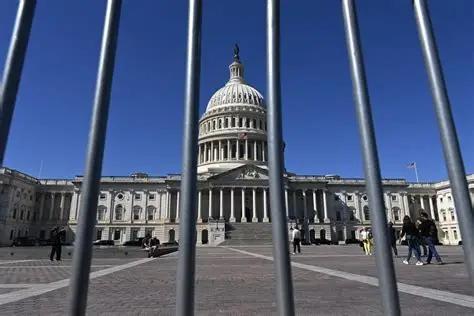
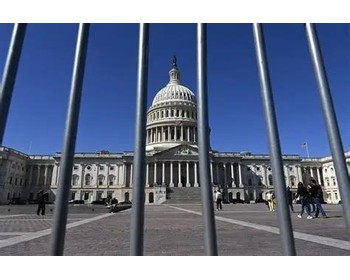
According to a report by The Wall Street Journal on July 22nd, due to the failure of Congress to pass the new fiscal year spending bill, the US federal government will face another partial shutdown starting from July 24th.
According to a report by The Wall Street Journal on July 22…
On July 17th, Taiwan's stock market experienced a historic …

On July 22nd local time, the pre-market short-term decline …

On July 22 local time, Advanced Micro Devices (AMD) officia…
According to the report by Rich Asplund, a columnist of Bar…

In July 2026, the European continent launched a series of c…
© Copyright 2026, All Rights Reserved