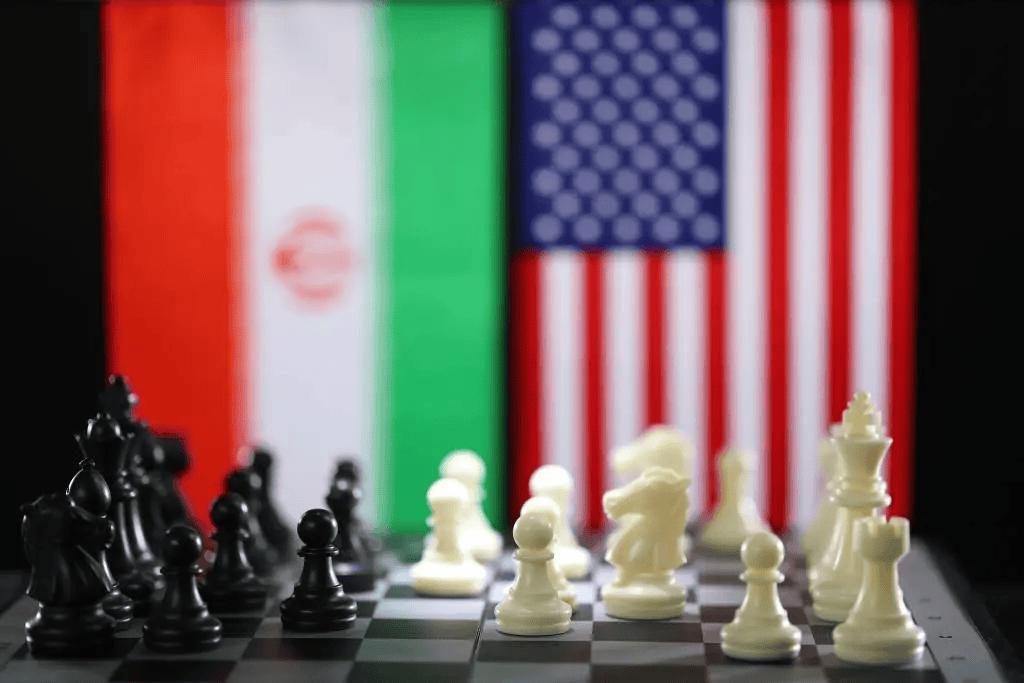
Today is the Federal Reserve's "leadership change day." The Powell era has officially ended, and Wash will be sworn in tonight at the White House at 23:00. But more than any personnel change, the US-Iran negotiations quietly advancing in Islamabad, Pakistan—if successful, it would be risk-on, a global celebration; If talks break down, then risk off, and blood flows like rivers. This is not rhetoric, it's mathematics.
On May 21, Pakistani senators declared that US-Iran negotiations were "moving in the right direction." Secretary of State Rubio spoke cautiously—"there is progress, but no guarantee of an agreement." Trump once again bared his fangs, demanding that Iran hand over high-enriched uranium, "which will likely be destroyed after being obtained." Three pieces of news and three different sentiments immediately set the price: the Dow hit a record high of 50,285 points, oil prices fell to $96 for the third consecutive time, and gold fluctuated around $4,540. The logic is extremely clear—progress in negotiations means lower oil prices, easing inflationary pressures, no need for the Federal Reserve to raise rates, and the risk-on scenario is fully underway; Conversely, if Trump's "enriched uranium ultimatum" angers Tehran, the Strait of Hormuz stirs up another storm, oil prices could surge back to $115 overnight, and Walsh will face pressure from rate hikes on his first day in office. The US-Iran negotiations are not diplomatic events; they are a "rehearsal" for the Federal Reserve.
Powell's last "political legacy"—the April meeting minutes—was even more hawkish than the market expected. The minutes show that most officials prefer to raise rates if necessary, many policymakers want to remove the easing bias from the statement, and participants generally believe that the Middle East conflict could have a significant impact on policy paths. The interest rate swap market has already voted: the probability of a rate hike before year-end exceeds 60%. What Wash took over today was a central bank deeply held hostage by geopolitics. He once said at a hearing, "The Fed must stay in its own lane," but the reality is Trump has already driven the Fed's lane—pressuring for rate cuts, nominating trusted aides, threatening military action, with every step squeezing Wash's independence. As industry insiders say, Walsh faces the "impossible trilemma": to save the central bank's credibility or the economy? If inflation is tackled, the $39 trillion in interest payments on U.S. Treasuries will weigh down the fiscal system; If the White House cuts rates, the dollar's credibility collapses, and gold could surge to $5,000. And the outcome of the US-Iran negotiations will make a choice for him.
At this moment, the core playbook of the global market has only two paths. Scenario A: Negotiation is made. Oil prices have fallen below $80, and Washish can "take over as dovish," with global risk-on. A-shares are expected to return to 4200 points, gold will pull back to $4300, and emerging market capital will flow back. Script B: Talks break down. Brent crude surged to $120, Walsh was forced to raise rates in July, US Treasury yields soared above 4.8%, A-shares came under pressure, and the RMB strengthened due to its safe-haven nature. At this moment, the Pakistani Army Chief of Staff is flying to Tehran, and Rubio said, "Let's see what happens in the coming days." The wallets of 8 billion people worldwide hang on the Islamabad-Tehran route. Tonight at 23:00, Washh will be sworn in, but the real verdict will not be at the White House, but in the Strait of Hormuz.
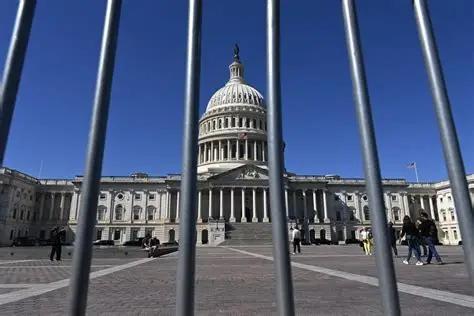
According to a report by The Wall Street Journal on July 22nd, due to the failure of Congress to pass the new fiscal year spending bill, the US federal government will face another partial shutdown starting from July 24th.
According to a report by The Wall Street Journal on July 22…
On July 17th, Taiwan's stock market experienced a historic …
On July 22nd local time, the pre-market short-term decline …
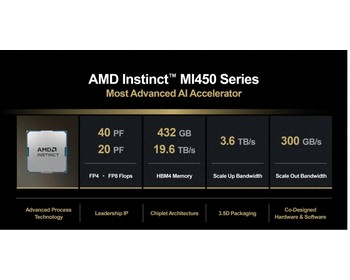
On July 22 local time, Advanced Micro Devices (AMD) officia…
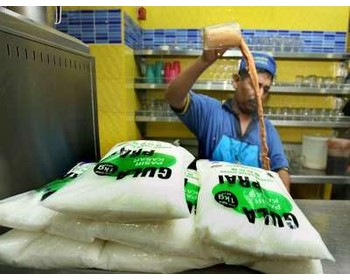
According to the report by Rich Asplund, a columnist of Bar…
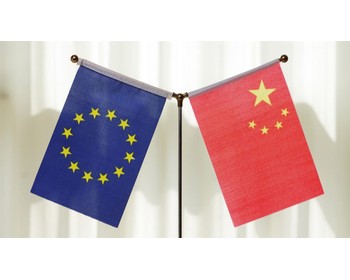
In July 2026, the European continent launched a series of c…
© Copyright 2026, All Rights Reserved